
Table of Contents
Understanding how much boxing classes cost requires looking at more than just the monthly membership fee. The real starting cost of boxing includes the class or gym dues, the required equipment, and in some cases a signup or registration fee.
Depending on where you train and what type of instruction you choose, total monthly costs can range from under $50 at a community gym to over $400 at a boutique studio in a major city. Getting clear on the full picture before you commit saves you from sticker shock after the first month.
This guide on how much do boxing classes cost breaks down every category of boxing class cost, the equipment you will actually need to start, how location and format affect what you pay, and practical ways to get started even when the upfront cost feels like a barrier.
Average Cost of Boxing Classes in the US
Group Boxing Classes
Group boxing classes at a dedicated boxing gym or boxing-focused fitness studio typically run between $100 and $200 per month for unlimited access. Drop-in rates for individual classes at these facilities generally fall between $20 and $40 per session. The specific rate depends heavily on location: urban gyms in New York, Los Angeles, Chicago, or Miami charge at the higher end, while gyms in mid-size cities or suburban areas tend to be more affordable.
Large national boxing fitness chains like Title Boxing Club charge in the $89 to $119 per month range depending on the location and membership tier. 9Round, which offers kickboxing-style circuit training with a boxing component, typically runs $60 to $90 per month. These chains are more standardized in their pricing than independent gyms and often run promotional offers for new members.
Private Boxing Lessons
One-on-one private boxing lessons with an experienced coach or trainer typically cost between $50 and $150 per hour. The range reflects the instructor’s experience level, competitive background, location, and the facility where sessions take place. A trainer at an upscale fitness club charges more than a trainer operating out of a local boxing gym. Former professional fighters or coaches with notable competitive records command premium rates at the top of the range.
Private lessons accelerate technical development faster than group classes for most people. If your goal is to develop real boxing skill rather than general fitness, even a monthly session or two of private instruction alongside group classes produces noticeably faster improvement. Many gyms offer package deals for private sessions that reduce the per-session rate compared to booking individually.
Semi-Private and Small Group Sessions
Semi-private sessions, typically two to four students with one coach, sit between group classes and private lessons in both format and price. These run between $30 and $75 per person per session depending on the group size and trainer. Many gyms offer semi-private packages as a way for clients to get more individualized attention than a full group class while splitting the per-session cost of private instruction. If you are training with a partner or friend, this format often provides the best value per dollar of instruction received.
Read: How Much Do Karate Classes Cost
Types of Boxing Programs and What They Cost
Commercial Gym Boxing Classes
Standard commercial gyms including Planet Fitness, 24 Hour Fitness, LA Fitness, and similar chains often include some form of boxing or boxing-fitness class in the group class schedule. These classes are typically included in a standard membership that runs $20 to $50 per month and offer no additional cost beyond what you already pay for gym access. The trade-off is that these classes are cardio-focused and non-technical. You will not develop real boxing technique, but you will get a solid workout at a very low cost. For people primarily interested in boxing for fitness rather than skill development, this is the most affordable entry point available.
Dedicated Boxing Gyms
Boxing-specific gyms that focus on the sport rather than fitness boxing typically charge $80 to $200 per month depending on location and what is included. These gyms attract a mix of hobbyists, serious amateur fighters, and competitive athletes, and the instruction tends to be more technically grounded than what you find at commercial fitness facilities. Many also offer open gym time where you can work bags and equipment independently between scheduled classes.
Local independent boxing gyms are often the most affordable route to quality instruction. Gyms that exist to develop fighters rather than to market fitness memberships tend to be less expensive than boutique studios and more focused on actual boxing development. A no-frills local boxing gym charging $80 to $100 per month often delivers better technical instruction than a $150 per month boutique studio.
Boutique Boxing Studios
Boutique boxing studios like Rumble Boxing, TITLE Boxing Club premium locations, and similar concept gyms emphasize the experience alongside the workout. Expect padded bag stations, DJ-curated music, and a high-energy atmosphere. Monthly memberships run $130 to $200 or more in major markets, and drop-in rates of $35 to $45 per class are common. These studios are excellent for cardio fitness and fun workouts, though the focus is typically on the experience and the conditioning component rather than technical boxing skill development.
At-Home Boxing Programs
At-home boxing systems like FightCamp provide a connected punching bag, boxing gloves, hand wraps, and a subscription-based class platform that tracks your punches. FightCamp’s equipment package runs approximately $1,000 to $1,500 upfront with a monthly subscription of $39. The economics favor someone who would otherwise pay $150 or more per month at a studio: the equipment pays for itself within twelve to eighteen months compared to ongoing studio fees, and access is unlimited and on-demand.
Simpler at-home setups using a freestanding punching bag and YouTube or app-based instruction can get started for as little as $100 to $200 in equipment cost with free or low-cost programming. The limitation is the absence of coaching feedback, which matters a great deal for technique development but less so for people primarily interested in fitness.
Community and Non-Profit Boxing Programs
Community boxing programs, often run by PAL (Police Athletic League) chapters, YMCAs, park districts, or non-profit boxing organizations, are among the most affordable structured boxing options available. Fees at these programs can be as low as $20 to $50 per month or even completely subsidized for youth participants. Equipment is sometimes provided or available to borrow.
These programs vary significantly in quality and structure, but the best of them are staffed by experienced coaches and produce legitimate competitive fighters. For families with children interested in boxing or for adults on tight budgets who want quality instruction, community programs are a genuinely underutilized resource. Searching for your local PAL chapter, YMCA boxing program, or USA Boxing registered gym is the best way to find what exists in your area.

What Does Boxing Equipment Cost?
Equipment is a cost that first-time boxing students often do not account for when budgeting for classes. Some gyms provide loaner gloves for beginners, but hand wraps are almost always personal items that you need to provide yourself. Understanding what you need from day one versus what comes later helps you plan your actual startup cost.
The Beginner Starter Kit
The minimum equipment needed to start most boxing classes consists of:
• Boxing gloves: $30 to $80 for a quality beginner pair. Avoid the cheapest options under $25, which tend to provide inadequate wrist support. Brands like Everlast, Venum, RDX, and Title offer solid beginner gloves in the $40 to $70 range. Most classes recommend 12 oz to 16 oz gloves depending on your body weight.
• Hand wraps: $8 to $15 for a standard 180-inch cotton wrap. You will need these under your gloves to protect your knuckles and wrist joints. Many gyms sell them at the front desk. Budget for two pairs so you always have a clean set.
• Mouthguard: $10 to $30 for a standard boil-and-bite mouthguard. Required for sparring and recommended for bag work. Custom-fitted options from a dentist cost significantly more but are only necessary if you move into competitive training.
• Athletic footwear: Standard cross-training shoes work fine for beginner classes. Dedicated boxing shoes ($50 to $200) improve ankle support and footwork feel but are not necessary at the beginner level.
Total beginner equipment cost: approximately $60 to $130 for the essentials, depending on the brands and quality level you choose. Budget $80 as a realistic midpoint for a starter kit that will hold up for a year of regular training.
When You Need More Gear
If you progress into sparring, additional equipment becomes necessary. A headgear piece runs $40 to $120. Shin guards are needed for any kickboxing component and cost $30 to $80. A quality gym bag to carry and air out your gear costs $30 to $80. Serious competitive fighters also invest in personal heavy bags, speed bags, and training tools that add up significantly over time. None of this is necessary at the beginner stage, and building your gear collection gradually as your commitment grows is the smarter approach financially.
Factors That Affect How Much Boxing Classes Cost
Location
Geography is the biggest single variable in boxing class pricing. A boxing gym in Manhattan or Beverly Hills charges significantly more than an equivalent gym in Memphis or Albuquerque, even if the instruction quality is comparable or the local gym is actually better. Urban markets with high real estate costs pass those costs through to membership fees. If you live in a major metro area and want to reduce costs, looking at gyms in neighboring suburbs rather than in the city center can save $30 to $80 per month for comparable training.
Instructor Experience and Credentials
Private coaching rates scale directly with the coach’s credentials. A coach with a background training amateur champions, professional fighters, or Olympic athletes commands rates at the top of the market. Certified USA Boxing coaches with competitive records are in higher demand than general fitness instructors who teach boxing as part of a broader fitness offering. For group classes, instructor quality affects the experience but rarely shows up directly in the membership price, since the per-student economics of group training dilute the instructor cost across the group.
Class Format and Facility Quality
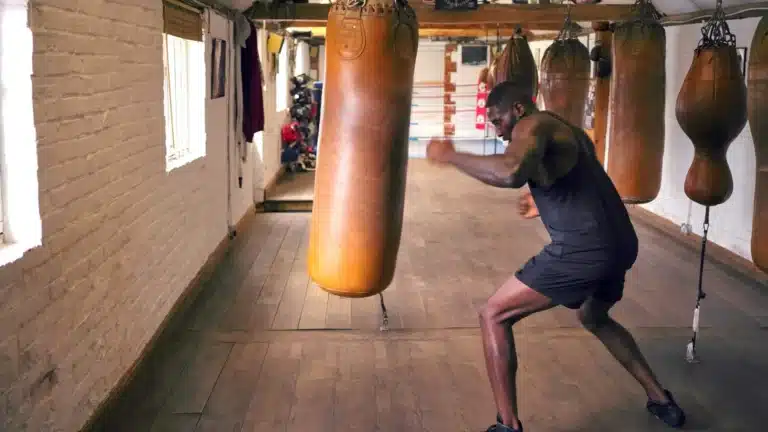
Boutique studios charge a premium for the environment alongside the instruction: the equipment, the aesthetics, the music programming, and the overall experience. Functional boxing gyms with worn leather bags, basic locker rooms, and no pretension charge significantly less and often deliver better technical instruction. Knowing what you are paying for and what matters most to you, the experience or the skill development, helps you pick the right category of gym for your goals and budget.
Membership Structure
Most gyms offer several pricing structures: drop-in rates, monthly unlimited memberships, and prepaid packages of a set number of classes. Monthly unlimited memberships are the most cost-effective for people who train three or more times per week. Class packages work better for irregular schedulers. Drop-in rates are useful for travel or trying a gym before committing, but they are always the most expensive per-class option. If you know you want to train consistently, the monthly unlimited is almost always better value than any other structure.
How to Save Money on Boxing Classes
Take Advantage of Trial Offers
Most boxing gyms and studios offer a free first class, a first-week trial, or a deeply discounted introductory package for new members. These trials serve the gym’s interests by getting you in the door, but they serve yours by letting you evaluate the instruction quality, the atmosphere, and the coaching before you pay a full monthly fee. Use every trial offer available before choosing where to commit. Never sign a long-term membership contract on the first visit without having experienced the regular class environment at least a few times.
Annual vs Monthly Memberships
Gyms that offer annual memberships typically discount them meaningfully compared to month-to-month rates, often by 15 to 25 percent. If you are confident about committing to a gym for a full year, an annual membership can save $200 to $500 over twelve monthly payments. The risk is being locked in if the gym changes, a coach leaves, or your schedule shifts. Confirm the cancellation and freeze policy before signing anything for more than three months.
Community Programs and University Gyms
University recreation centers, YMCA boxing programs, and park district classes often provide quality instruction at a fraction of the cost of commercial gyms. University recreation center memberships, which are sometimes available to community members and not only students, can include boxing classes for $30 to $60 per month. These options are underused by adults who do not think to look beyond commercial gyms and studios.
Home Bag Work Between Classes
A freestanding punching bag ($100 to $250) and a set of gloves you already own can effectively double your training volume without adding to your monthly class cost. Bag work done independently between scheduled classes reinforces technique, builds conditioning, and extends the value of the coaching you are paying for. It is one of the highest-return investments available to someone who takes boxing seriously and wants to improve as quickly as possible.
What to Do When the Upfront Cost Is a Barrier
The decision to start boxing often gets made on a particular day: you watch a fight, finish a stressful week, or simply decide you are done putting it off. But the timing of that decision does not always align with when your bank account is in the best position to absorb a first month’s membership plus $80 in gear at once.
At a mid-tier boxing gym, the real first-day cost typically looks like this: a signup or registration fee of $25 to $75, a first month’s dues of $100 to $150, and beginner gear of $60 to $100. That is $185 to $325 before you throw a single punch. For someone between paychecks or managing a tight month, that number can be the difference between starting this week and putting it off again.
Beem Everdraft gives you access to up to $1,000 in instant cash advance with no credit check, no interest, and no income restrictions. Covering your first month plus gear cost does not need to wait until the timing is perfect. You get the funds fast, start training on the day you decide to, and repayment happens automatically when your next verified deposit hits. No interest accumulating. No due date pressure.
Starting something physically demanding when your motivation is at its peak is worth more than waiting for a financially perfect moment that may not come. The first month is the hardest to show up for. Making sure it actually happens is the decision that counts.
Is Boxing Worth the Cost?
Compared to other fitness and martial arts options, boxing is well-positioned on cost. A quality boxing gym membership at $100 to $150 per month sits below the average CrossFit box membership ($150 to $200), roughly comparable to a standard MMA gym, and significantly below most private personal training relationships. For what you get, a skilled coach, a technically demanding discipline, a strong community, and one of the most effective cardiovascular workouts available in any fitness format, the value equation is favorable.
Beyond the physical fitness dimension, boxing develops practical self-defense capability, mental discipline, stress management, and a level of controlled aggression that most other fitness formats do not offer. People who stick with it long enough to develop real skill consistently describe it as one of the more meaningful physical practices they have taken on. The cost makes the most sense when you actually go consistently, which is the real variable worth solving for.
Check out Beem for on-point financial insights and recommendations to spend, save, plan and protect your money like an expert. Download the Beem app today!
Frequently Asked Questions
How much do boxing classes cost per month?
Monthly boxing class costs range from $80 to $200 depending on the type of gym and your location. Dedicated boxing gyms and local independent gyms typically charge $80 to $150 per month for unlimited access. Boutique boxing studios in major cities run $130 to $200 or more. Commercial gyms that include boxing classes as part of a standard membership are the most affordable option, often $20 to $50 per month total, though the instruction is typically fitness-focused rather than technically rigorous. Drop-in rates for individual classes average $20 to $40.
Are private boxing lessons worth it?
For most people serious about developing real boxing skill, yes. Private lessons accelerate technical development significantly compared to group classes alone, because the instructor can give continuous feedback specific to your movement patterns, habits, and weaknesses. Even one private session per month alongside regular group classes produces noticeably faster improvement. The question is whether your goal is skill development or general fitness. For pure fitness, group classes are sufficient. For actual boxing capability, private coaching at some frequency is worth the cost.
What equipment do I need to start boxing classes?
The minimum to start most boxing classes is a pair of boxing gloves and hand wraps. A mouthguard is required for sparring and strongly recommended for bag work. Standard athletic shoes work fine for beginners. Budget approximately $60 to $100 total for a quality beginner starter kit. Headgear, shin guards, and other specialized equipment only become necessary when you progress into contact sparring, which most gyms do not introduce in the first few months of training. Some gyms provide loaner gloves for trial classes, but having your own is both more hygienic and more practical.
How much do boxing classes cost for kids?
Youth boxing programs vary widely in cost. Community programs through PAL chapters, YMCAs, and park districts often charge $20 to $50 per month for youth participants, with some programs offering reduced or waived fees for families demonstrating financial need.
Private boxing gyms with youth programs typically charge $60 to $120 per month. Most youth programs provide some equipment or allow children to start with minimal gear, reducing the upfront barrier. USA Boxing’s club finder at usaboxing.org lists registered gyms that run youth programs across the country.
Is boxing cheaper than other martial arts?
Boxing is generally comparable in cost to BJJ, Muay Thai, and wrestling programs, and less expensive than MMA gyms that offer instruction across multiple disciplines. Jiu-jitsu academies typically run $150 to $200 per month. MMA gyms often charge $150 to $250 for access to all classes.
Boxing-specific gyms at $80 to $150 per month are typically among the more affordable specialized martial arts options available, particularly at local independent gyms without boutique pricing. The lowest-cost martial arts options overall are usually community-based programs in traditional disciplines like judo or wrestling offered through park districts or schools.