
Table of Contents
Searching for how to get a free car from the government turns up a mix of real programs, outdated listings, and well-intentioned misinformation. The truth is that genuine assistance exists, but it looks different from what most people expect. Some programs come directly through state agencies. Others are administered by non-profits working in partnership with government funding. A handful are entirely community-driven. What they share is a common purpose: helping low-income individuals and families gain access to reliable transportation so they can get to work, medical appointments, school, and essential services.
This guide covers every realistic path to free vehicle assistance in the United States, what the eligibility requirements actually look like, how to apply, and what costs you will still need to plan for once you have the car in your driveway.
Do Government Programs Actually Give Away Free Cars?
Not in the way most people imagine. There is no federal program that hands out vehicles directly to applicants. The federal government does not run a car giveaway program, and any website claiming otherwise is usually selling something or generating ad revenue from misleading traffic.
What does exist is more nuanced and more useful. Federal funding, particularly through the Temporary Assistance for Needy Families block grant, flows to states, and states have flexibility in how they use it. Some states channel a portion of that funding toward transportation assistance, which can include help acquiring a vehicle, covering repair costs, or paying for insurance and registration on a donated car. The resulting programs are state-administered and vary significantly in what they offer and who they serve.
Alongside these government-funded channels, a network of non-profit organizations operates programs specifically designed to get donated vehicles into the hands of people who need them. These programs are often referred to alongside government assistance in search results because they serve the same population and sometimes receive public funding, but they are separate from any direct government vehicle distribution.
The practical takeaway: free cars exist and are accessible to people who genuinely qualify. The path runs through state agencies, community action programs, and non-profits, not through a federal website application form.
Federal and State Programs That Help with Vehicle Access
TANF Transportation Assistance
Temporary Assistance for Needy Families is the federal block grant program that funds state welfare programs across the country. While TANF is best known for cash assistance to low-income families with children, states have broad authority over how they spend TANF funds, and many use a portion for work-related support including transportation.
Some states specifically allocate TANF funding toward vehicle assistance. This can mean direct cash grants toward a used car purchase, help covering registration or insurance costs for a donated vehicle, or partnerships with non-profits that place donated cars with TANF-eligible households. Eligibility requirements vary by state and are typically tied to household income, the presence of dependent children, and active participation in a work program or job search.
To find out what your state offers through TANF, contact your local Department of Social Services or Department of Human Services. Many states have a specific caseworker assigned to transportation assistance within their TANF program who can walk you through available options.
Wheels to Work Programs
Wheels to Work programs operate in a number of states and are designed to help low-income workers access transportation specifically for employment purposes. These programs typically provide a low-cost or no-cost vehicle to individuals who have a job or a confirmed job offer but lack reliable transportation to get there.
States with documented Wheels to Work programs include Florida, Vermont, Virginia, and several others. The programs are administered at the state or county level and often have limited funding, meaning waitlists are common and timing matters. Vehicles provided through these programs are usually used cars in working condition, often donated by individuals or dealerships and refurbished by program mechanics or vocational students.
To find a Wheels to Work program near you, contact your state’s workforce development agency or community action agency and ask specifically about transportation assistance for employed or job-seeking individuals.
Community Action Agency Transportation Assistance
Community Action Agencies are federally funded local organizations that deliver a wide range of anti-poverty services across the United States. Most counties have one, and many offer transportation assistance as part of their service menu. This can range from bus passes and gas cards to help acquiring or repairing a vehicle depending on local funding and partnerships.
Community Action Agencies often serve as connectors. Even if they do not operate a vehicle program directly, they typically know what resources exist locally and can refer eligible individuals to the right program. They are often the fastest single call you can make to get oriented to available transportation assistance in your area.
The Community Action Partnership website maintains a searchable directory of agencies by state and county. A phone call or in-person visit typically gets you to a caseworker who can assess what you qualify for and guide you through the application process.
State-Specific Vehicle Assistance Programs
Beyond TANF and Wheels to Work, a number of states have developed their own transportation assistance programs with unique structures. Georgia’s Community Action Program and the CAPS initiative have provided vehicle access to low-income working families. Maryland’s Partners in Care program has historically included transportation assistance components. California’s Clean Vehicle Assistance Program has helped income-qualified residents acquire clean-air vehicles, sometimes at no cost.
The variety is significant, and programs change as funding cycles shift. The most reliable way to find what is available in your specific state is to contact your state’s Department of Social Services and ask directly about vehicle assistance programs for low-income households. Going to the source eliminates the outdated and inaccurate information that often circulates online about specific programs.
Non-Profit Programs That Provide Free Vehicles
Non-profit vehicle assistance programs operate alongside and often in partnership with government funding. Many people find their free car through one of these organizations rather than through a state agency directly.
1-800-Charity Cars
Operating since 1996, 1-800-Charity Cars is one of the oldest and most established free vehicle programs in the country. The organization accepts donated vehicles from individuals and businesses and places them with low-income families, veterans, survivors of domestic violence, and others in need. The application process is online and includes documentation of income, need, and intended use of the vehicle. The program operates nationally, though availability depends on the inventory of donated vehicles in your area at the time of application.
Vehicles for Change
Vehicles for Change operates primarily in the mid-Atlantic region and provides refurbished donated vehicles to low-income working families. Recipients typically pay a reduced price rather than receiving the vehicle entirely free, but the price is set well below market value and is often accompanied by low-cost financing. The program also offers a mechanic training component that reduces refurbishment costs. For families in the Washington DC, Maryland, and Virginia area, this is one of the most structured and reputable vehicle assistance programs available.
Salvation Army and Faith-Based Organizations
The Salvation Army and similar faith-based social service organizations sometimes have access to donated vehicles through their broader donation networks. Local chapters vary significantly in what they can offer, but it is worth contacting your local Salvation Army, Catholic Charities, or similar organization directly to ask whether vehicle assistance is available in your area. These organizations often know the full landscape of local resources even when they cannot provide a vehicle directly.
Free Charity Cars and Similar Platforms
Free Charity Cars is an online platform that connects vehicle donors with individuals in need. Applicants create a profile explaining their situation, and donors browse profiles and choose who to give to. The model is community-driven rather than organization-administered, which means outcomes vary. Some applicants receive vehicles quickly, others wait a long time, and others receive no offer. It is a legitimate option worth exploring, particularly for people who can write a clear and compelling account of their situation and need.
Local Dealerships and Auto Auction Programs
Some local car dealerships, particularly independent used car lots, donate vehicles to community organizations or run their own periodic giveaway programs. Auto auctions occasionally donate unsold vehicles to non-profits that serve low-income families. These opportunities are rarely well-publicized, but contacting local dealers directly, especially around end-of-year, and asking whether they have any vehicle donation programs or community partnerships is sometimes productive.
Who Qualifies for Free Car Assistance Programs?
Eligibility varies by program, but several criteria appear consistently across most vehicle assistance initiatives.
Income Requirements
Most programs target households at or below 200 percent of the federal poverty level, though some are stricter and others more flexible. For 2024, 200 percent of the federal poverty level is approximately $29,160 for a single adult or $60,000 for a family of four. Programs administered through TANF funding typically use the state’s TANF income limits, which vary by state. Having documentation of your household income ready before applying is essential, as most programs require it at the application stage.
Employment and Job Training Requirements
Many vehicle assistance programs, particularly Wheels to Work and TANF-linked initiatives, require applicants to demonstrate that they have a job, a confirmed job offer, or are actively enrolled in a job training or work-readiness program. The logic is that transportation assistance supports self-sufficiency. Applicants who can show that a vehicle will enable employment are typically prioritized over those without a current employment connection.
Residency and Documentation Requirements
Programs almost universally require applicants to be US citizens or legal permanent residents and to provide proof of residence in the service area. You will typically need a valid driver’s license or learner’s permit, proof of income, proof of household composition, and documentation of your current transportation barrier. Some programs also require that no other working vehicle is registered at your household address.
How to Apply for a Free Car Program Step by Step
• Contact your local 2-1-1 service by dialing 211. This nationwide helpline connects callers with local social services and can tell you which vehicle assistance programs operate in your county.
• Visit or call your local Community Action Agency and ask specifically about vehicle assistance for low-income households.
• Contact your state’s Department of Social Services or Human Services and ask about TANF transportation assistance and any state-run vehicle programs.
• Search for Wheels to Work programs through your state’s workforce development agency or One-Stop Career Center.
• Apply directly to national non-profit programs like 1-800-Charity Cars or Free Charity Cars online.
• Prepare your documentation: government-issued ID, proof of income for all household members, proof of residence, driver’s license, and any letters from an employer, job training program, or social services agency.
• Follow up consistently. Program waitlists are common and caseworkers are typically managing high application volumes. Calling back politely every two to three weeks keeps your application visible.
What to Expect When You Receive a Free Car
The Condition of the Vehicle
Free vehicles from assistance programs are almost always used cars with significant mileage. Donated vehicles vary widely in condition. Some programs, like Vehicles for Change, refurbish cars before placing them, which means they arrive in reliable working order. Others pass vehicles along as received, which may mean inherited mechanical issues. Asking the program what inspection or repair process the vehicle goes through before transfer is a reasonable and appropriate question.
Costs You Are Still Responsible For
Getting a free car does not mean it is entirely cost-free. There are several expenses you will likely need to cover:
• Title transfer fees: the state charges a fee to transfer the title into your name, typically between $15 and $100 depending on the state.
• Registration and license plates: registering the vehicle in your name carries a state-specific fee, typically between $30 and $150.
• Sales tax: some states require sales tax even on donated vehicles, though many exempt low-income recipients or vehicles transferred through qualified non-profits.
• Car insurance: every state requires liability insurance at minimum before you can legally drive the vehicle.
Of these, car insurance is typically the largest ongoing cost and the one that catches people most off guard. Getting the lowest possible rate matters, especially when you are already working with a tight budget.
Beem’s car insurance comparison tool lets you get personalized quotes from multiple top providers in about five minutes, side by side, without filling out separate forms across different websites.
Drivers who compare in one place rather than defaulting to the first quote they find save up to 40 percent on their premium. When you are starting out with a vehicle you received at no cost, keeping the insurance rate as low as possible is the first financial decision worth getting right. You can compare quotes at Beem Car Insurance before your vehicle is even registered.
Ongoing Maintenance Responsibility
Once the vehicle is in your name, maintenance is entirely your responsibility. Oil changes, tire rotations, brake work, and other routine upkeep costs are part of owning any car regardless of how you acquired it. Some vehicle assistance programs offer discounted or free mechanical services for a limited period after placement. Ask about this at the time of transfer, as it can meaningfully reduce your first-year costs.
Tips to Improve Your Chances of Getting Approved
Apply to multiple programs simultaneously: There is no rule against applying to more than one vehicle assistance program at the same time. Different programs have different waitlists, different vehicle availability, and different eligibility criteria. Casting a wider net increases your probability of getting a vehicle sooner.
Be thorough and specific in your application: Programs that ask you to describe your need want to understand the real impact a vehicle would have on your life. Be specific about your employment situation, how transportation affects your ability to work or care for your family, and what you have already tried. Vague applications are easy to deprioritize.
Get a referral from a caseworker: A referral or recommendation from a social services caseworker, a workforce program coordinator, or a community action agency carries weight with vehicle program administrators. If you are already working with a government agency for any type of assistance, ask your caseworker if they can support your vehicle program application.
Make sure your license is current: No vehicle assistance program will place a car with someone who cannot legally drive it. If your license has lapsed, is suspended, or you have not yet obtained one, addressing that is the first step before applying to any program.
Follow up without giving up: Vehicle assistance programs are consistently oversubscribed relative to available inventory. Waitlists are not rejections. Staying in contact with the programs you have applied to, updating them if your situation changes, and maintaining a current application keeps you in consideration when a vehicle becomes available.
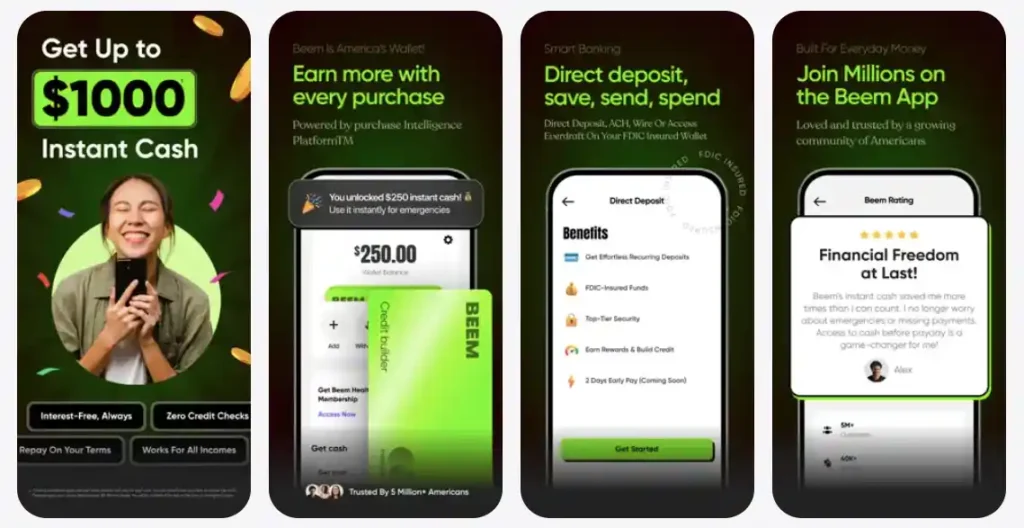
Check out Beem for on-point financial insights and recommendations to spend, save, plan and protect your money like an expert. Download the Beem app today!
FAQs: How to Get a Free Car from the Government
Is it really possible to get a free car from the government?
Yes, though not through a single direct federal program. Free vehicle assistance is available through state-administered programs funded by federal TANF grants, Wheels to Work initiatives, Community Action Agencies, and non-profit organizations that work alongside government social services. The programs are real, the vehicles are real, and eligibility is determined by documented income and need.
What is the income limit to qualify for a free car program?
Income limits vary by program. Most target households at or below 150 to 200 percent of the federal poverty level. For 2024, 200 percent of the federal poverty level is approximately $29,160 for a single individual or $60,000 for a family of four. TANF-linked programs use state-specific income thresholds that may be lower. Non-profit programs like 1-800-Charity Cars use their own criteria that factor in income along with documented need and intended use of the vehicle.
How long does it take to get a free car?
Timeline varies significantly. Some applicants receive a vehicle within weeks through a non-profit program that has current inventory. Others wait several months through state-administered programs with long waitlists. Applying to multiple programs simultaneously is the most effective way to reduce the overall wait time. Programs that ask you to match with a donor, like Free Charity Cars, have unpredictable timelines that depend on donor behavior rather than program scheduling.
Do I need a driver’s license to apply?
Yes. Every legitimate vehicle assistance program requires a valid driver’s license before placing a vehicle. Some programs will work with applicants who are in the process of obtaining or reinstating a license, but the vehicle will not transfer until the license is in hand. If your license is suspended or expired, resolving that is the prerequisite to a successful application.
What if I need repairs on the car I receive?
Some programs include a limited mechanical warranty or free repair period after placement. Ask about this specifically at the time of transfer. For vehicles that arrive without this support, community action agencies sometimes have connections to low-cost or volunteer mechanic services. Vocational programs at community colleges and technical schools occasionally provide discounted repairs as training exercises. Non-profit programs like Vehicles for Change build repair costs into their refurbishment process before placement, which reduces the likelihood of major mechanical issues shortly after receiving the vehicle.