
Table of Contents
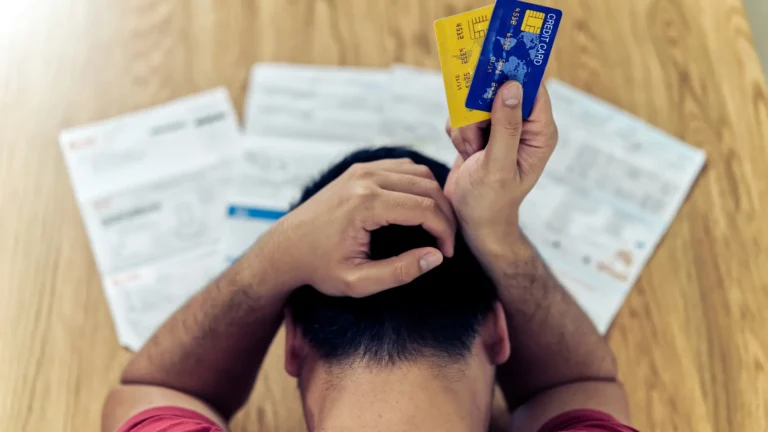
There’s a particular feeling that comes with opening a credit card statement you already know is bad. You’ve been making the minimum payment for a year, maybe two, and the balance has barely moved. The interest line is bigger than the groceries line. A second card is carrying the overflow from the first. And somewhere in the back of your mind is the quiet math that says, at this rate, you’ll be paying this off for years to come.
For example, if you’re dealing with credit card debt in New Mexico or any other location in the US, that feeling is common, it’s not a character flaw, and it has a way out. Credit card debt responds to a sequence of specific, unglamorous steps, and the people who get free of it aren’t necessarily the ones with the most willpower. They’re the ones who stop treating it as a vague cloud and start treating it as a problem with parts. Here are those parts, in the order that can help you take control of your debt.
You Are Not Alone in This
The scale of credit card debt in the United States is enormous. According to the Federal Reserve Bank of New York, credit card balances rose by $21 billion in the second quarter of 2026 to reach $1.26 trillion, and the share of balances transitioning into serious delinquency stood at 6.97 percent, slightly higher than a year earlier.
Behind those numbers are millions of households running the same quiet math you are. The steps below are the ones that actually change the outcome.
People Also Read: How to Manage Credit Card Debt
Step 1: Face the Full Number
Before anything else, write down every card: the balance, the interest rate, the minimum payment, and the due date. Put them on one page. This is uncomfortable, and it’s also the single most important step, because a problem you can see is a problem you can solve.
Most people discover the total is both worse and more manageable than they feared: worse because it’s concrete, more manageable because it’s finite.
Step 2: Stop the Bleeding
Debt can’t shrink while it’s still growing. Before you attack the balances:
- Stop using the cards, even for “just this once” purchases
- Switch everyday spending to a debit card or cash so you can see what’s going out
- Cancel subscriptions and recurring charges you’ve stopped noticing
- Set up automatic minimum payments so late fees and penalty rates don’t make things worse
None of this pays off debt yet. It just stops the hole from getting deeper, which is the precondition for everything else.
Step 3: Build a Real Budget
A budget here isn’t about deprivation. It’s about finding the money that will go toward the debt. List your take-home income, your essential expenses (housing, food, utilities, transportation, insurance), and what’s left.
That remainder, plus whatever you free up by trimming non-essentials, is your debt-repayment fuel. Even a hundred dollars a month over the minimums changes the trajectory dramatically.
Step 4: Pick a Payoff Method and Stick to It
Two approaches work. Choose the one you’ll actually follow:
- Avalanche: pay minimums on everything and put all extra money toward the highest-interest card first. Saves the most money.
- Snowball: pay minimums on everything and put all extra money toward the smallest balance first. Builds momentum with quick wins.
Mathematically the avalanche wins. Psychologically the snowball often does. Either beats paying minimums across the board.

Step 5: Call Your Card Issuers
Many people never try this, and it often works. Call each issuer and ask for a lower interest rate, citing your payment history and the offers you’ve received elsewhere. Ask about hardship programs if your income has dropped. The worst outcome is a no. A few percentage points off a large balance can save hundreds or thousands over the life of the debt.
Step 6: Consider Consolidation
If your credit is still reasonable, a balance transfer card with a 0 percent introductory period or a fixed-rate personal loan can combine several balances into one payment at a lower rate. The rules: don’t run the old cards back up, read the fees carefully, and have a plan to clear the balance before any promotional rate ends.
Consolidation is a tool, not a solution; it only helps if the behavior that created the debt has changed.
Step 7: Know When to Get Professional Help
Sometimes the numbers don’t work no matter how carefully you budget. If the minimum payments alone consume most of your disposable income, if you’re borrowing from one card to pay another, or if you’ve missed payments and the calls have started, it’s time to look at structured options.
Nonprofit credit counseling can set up a debt management plan with reduced rates. Debt settlement programs negotiate with creditors to accept less than the full balance, usually in exchange for a lump sum or a series of payments over two to four years. Companies offering debt relief New Mexico residents among others can enroll in, such as US National Credit Solutions, work on this settlement model, enrolling eligible unsecured debts and negotiating reductions on the client’s behalf.
Settlement isn’t right for everyone; it can affect your credit score, settled amounts may be taxable, and fees reduce the net saving, so read every disclosure and compare it against counseling and bankruptcy before deciding. The point is that when the math has stopped working, a structured program is a legitimate next step rather than a last resort, and the earlier you explore it, the more options you have.
Step 8: Protect Yourself While You Pay It Down
Paying down debt is important, but protecting your financial stability along the way matters just as much. A few simple precautions can help you avoid setbacks and stay on track.
- Keep a small emergency fund, even a few hundred dollars, so a car repair doesn’t go straight back on a card
- Check your credit report for errors and dispute them
- Be wary of anyone who promises to erase debt instantly or asks for large upfront fees
- Track your progress monthly; watching the total fall is the best motivation there is
The goal isn’t just to become debt-free, but to build habits that help you stay financially secure once the debt is gone.
Step 9: Plan for Life After the Debt
The habits that get you out are the ones that keep you out. Once the balances are gone, keep the budget, keep the automatic payments, pay cards in full each month, and redirect the money you were sending to creditors into savings.
The goal isn’t just zero. It’s never having to open that statement with that feeling again.
How Beem Can Help You Stay on Track
Getting credit card debt under control is easier when you have a clearer picture of where your money is going each month. Beem’s Budget Planner can help you track income and expenses, understand spending patterns, monitor upcoming bills and subscriptions, and identify areas where you may be able to cut back. Those insights can make it easier to find extra money to direct toward credit card balances without losing sight of essential expenses.
Unexpected costs can also make debt repayment harder. For eligible users, Beem’s Everdraft™ provides access to up to $1,000 from future deposits for short-term needs, with no interest or credit check. It is designed to help bridge temporary gaps for expenses such as bills, groceries, or emergencies rather than serve as a strategy for paying off existing credit card debt.
People Also Read: How to Pay Off Credit Card Debt
Conclusion
Struggling with credit card debt feels like a fog, but it clears with a sequence of concrete steps: facing the full number, stopping new charges, building a budget that frees up repayment money, choosing a payoff method, negotiating with issuers, considering consolidation, and knowing when a structured program is the right move.
With credit card balances in the United States at $1.26 trillion and delinquencies ticking upward, the problem is widespread, but so are the solutions. Start with the one page that lists every card. Everything else follows from being able to see what you’re dealing with.
Tools like the Beem app can also make it easier to maintain the habits that support your debt-payoff plan. You can use Beem’s budgeting tools to understand where your money is going and look for opportunities to free up cash, while eligible users can turn to Everdraft™ for certain short-term emergency cash-flow gaps instead of automatically putting another unexpected expense on a credit card.
FAQs
1. What is the first thing I should do if I have too much credit card debt?
Start by listing every credit card along with its current balance, interest rate, minimum payment, and due date. Seeing the complete picture helps you understand how much you owe, which debts are costing you the most, and how much money you can realistically put toward repayment each month.
2. Is the debt snowball or debt avalanche method better for credit card debt?
The debt avalanche method prioritizes the card with the highest interest rate and can reduce the total amount of interest you pay. The debt snowball method focuses on the smallest balance first, which can provide faster psychological wins. The better approach is generally the one you can follow consistently while continuing to make at least the minimum payment on every account.
3. Can I ask my credit card company to lower my interest rate?
Yes. You can contact your card issuer and ask whether a lower interest rate, hardship program, or alternative payment arrangement is available. Approval is not guaranteed, but a reduced rate can lower the amount of interest accumulating and allow more of each payment to go toward the principal balance.
4. Is debt consolidation a good way to pay off credit cards?
Debt consolidation can help when it replaces several high-interest balances with a lower-cost balance transfer or personal loan and gives you a manageable repayment plan. However, it works best when you avoid rebuilding balances on the cards you have consolidated and account for transfer fees, loan costs, and promotional rate expiration dates.
5. When should I consider professional help for credit card debt?
Consider professional help when minimum payments are becoming unaffordable, you are regularly missing payments, using one debt to pay another, or cannot create a realistic repayment plan with your existing income. A nonprofit credit counselor can help you review available options, while debt settlement or bankruptcy may be appropriate in some circumstances and should be evaluated carefully based on your financial situation.