

Table of Contents
The desire to send money anonymously is more common and more legitimate than most people assume. Someone wants to help a friend going through a rough patch without making it awkward.
A parent wants to send a surprise to their kid at college. A person wants to donate to a cause without being added to a mailing list. A family member wants to quietly send support to a relative without other family members knowing. These are real, everyday situations, and they all share a common thread: the sender wants the money to arrive without their name attached to it.
This guide walks through what anonymous money transfers actually look like in practice, which methods offer genuine privacy, what financial regulations apply, and how to send money discreetly without running into legal or technical complications.
What Does Sending Money Anonymously Actually Mean?
Before exploring methods, it helps to be clear about what kind of anonymity you are actually looking for. These are two very different things, and most methods only offer one of them.
Anonymity from the Recipient
This is the most common goal. You want to send money to someone without them knowing it came from you. A surprise gift, a quiet act of generosity, a donation where you prefer not to be recognized. In this case, you do not need to hide from the financial system. You just need a delivery method that does not reveal your identity to the person receiving the funds.
This is achievable through several practical methods, and it is fully legal everywhere in the United States. The key is choosing a transfer format where your name or account details are not visible to the recipient.
Check this out: Send Money for Free to Anyone on any App
Anonymity from Financial Institutions
This is a different request entirely. Keeping a transaction hidden from banks, payment processors, or government agencies is where the conversation runs into significant legal constraints. Every regulated financial institution in the US is required by law to verify the identity of account holders and maintain transaction records. Attempting to circumvent these requirements is not a privacy choice but a legal issue, regardless of intent.
If your goal is privacy from the recipient rather than from financial institutions, the methods in this guide are practical, effective, and entirely above board. If you are trying to hide money from regulators, tax authorities, or courts, that is a legal matter and outside the scope of what any legitimate financial tool can or should help with.
The Legal Reality of Financial Privacy
In the United States, financial privacy is a limited right. Banks, payment platforms, and money transfer services all operate under Know Your Customer and Anti-Money Laundering regulations that require them to verify user identities. Transactions above certain thresholds are reported to the IRS. This does not mean you cannot send money discreetly. It means the system knows who you are even when the recipient does not. Understanding this distinction keeps your expectations realistic and keeps you on the right side of compliance.
Legitimate Reasons to Send Money Without Your Name Attached
Surprise Gifts
Birthday money, graduation gifts, holiday transfers, and other celebratory sends are one of the most common reasons people want anonymous delivery. The surprise itself is the point. Knowing who sent it before the reveal can deflate the moment. The goal is not financial secrecy: it is keeping a secret from one specific person for a specific reason.
Helping Someone in Need Without Creating Awkwardness
Many people want to help a struggling friend, a neighbor who lost their job, or a relative going through a hard time, but do not want the help to create a dynamic where the recipient feels obligated or embarrassed. Sending money discreetly removes the social weight from an act of generosity and lets the recipient use it without the relationship becoming complicated.
Charitable Giving Without the Follow-Up
Anonymous charitable giving is a long-standing tradition. People give to causes they care about without wanting public recognition, thank-you calls, or their name added to a donor list. Many non-profits and community funds accept anonymous contributions precisely because this is a legitimate and respected form of giving.
Privacy-Conscious Transfers
Some people simply prefer not to have their financial activity tracked, shared, or used for marketing by payment platforms. Choosing a transfer method that limits data sharing is a reasonable privacy preference, not a suspicious one. Understanding which platforms share your data and which do not is part of making an informed choice about how you send money.
Sending to Someone Without a Bank Account
Sending money to someone who does not have a bank account is its own kind of discreet transfer. Traditional bank-to-bank transfers are not an option, so the sender often needs a method that reaches the recipient through a different channel. Gift cards, prepaid cards, and platforms that allow payout to non-bank options fill this gap and naturally reduce the visibility of the sender’s financial details in the process.
Read: How to Send Money from PayPal to Chime
Methods to Send Money with Greater Privacy
Gift Cards and Prepaid Cards
Purchasing a gift card or prepaid Visa/Mastercard with cash and sending it to someone is one of the most straightforward anonymous transfer methods available. The recipient receives value with no record of who purchased the card. There is no account linking, no name attached to the send, and no trail between sender and recipient.
The limitation is logistics. Physical gift cards need to be mailed, which takes time and creates a small paper trail through the postal service. Digital gift cards can be sent by email, but that ties the delivery to an email account. For small to moderate amounts and situations where timing is flexible, gift cards work well.
Money Orders
A money order purchased with cash from a post office, grocery store, or convenience store is one of the oldest forms of private payment. You do not need a bank account to buy one. The payee’s name goes on the money order but the sender’s information is minimal and not tied to a bank account or digital profile.
Money orders work best when you are willing to go through a physical process and when the recipient has a way to cash one. They are slower than digital options and carry small purchase fees, but they offer a meaningful level of sender privacy for amounts up to $1,000 per order.
Peer-to-Peer Platforms with Flexible Recipient Payout
Most peer-to-peer payment apps show the sender’s name or username to the recipient. But some platforms offer formats where the delivery mechanism itself reduces what the recipient sees about you.
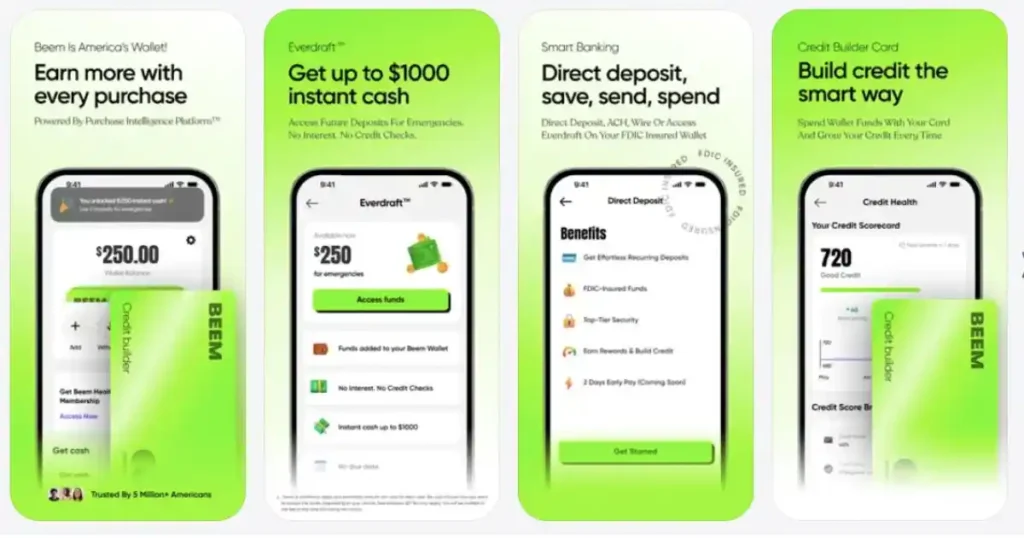
Beem‘s send money feature is built around flexibility for the recipient. You can send money for free to anyone on any app, including people who do not have a bank account. The recipient chooses how they want to receive: directly to a debit card, a bank account, a gift card, or a prepaid card. When the payout lands as a gift card or prepaid card, your banking details are not visible to the recipient. For surprise sends, discreet help, or situations where you simply want to minimize what the other person can see about your financial setup, that delivery model offers a genuine layer of privacy without requiring any workaround.
There are no fees for the sender, no subscription required, and the transfer works across platforms, which means you do not need to know which app the recipient uses. That combination of reach, flexibility, and recipient-side discretion makes it a practical option for a wide range of discreet send scenarios.
Bank Wires with Limited Disclosure
Wire transfers move money between banks and typically carry more sender information than peer-to-peer apps. However, for international transfers or situations where the recipient only needs to receive funds into an account rather than see the full sender profile, a wire can still offer a reasonable level of discretion depending on what your bank shares in the transfer memo.
Wires come with fees, processing times, and institutional requirements that make them a heavier lift than app-based options. They are rarely the right choice for discreet personal transfers of small to moderate amounts.
Cash
Cash delivered in person or by mail remains the most private payment method for the recipient. There is no digital trace, no platform account, and no data that can be shared or searched. The obvious trade-offs are the logistical challenges of physical delivery, the risk of loss or theft in transit, and the fact that it requires some kind of physical handoff.
For truly local situations where you can hand something off in person without the recipient seeing you, or where you can arrange a drop through a third party, cash works. For anything requiring distance or speed, digital options are more practical.
What Financial Regulations Say About Anonymous Transfers
Know Your Customer Requirements
Every regulated US financial institution is required to verify the identity of its customers before allowing them to open accounts or initiate transactions. This means that regardless of how discreetly you send money, the platform or bank you use has a record of who you are. Know Your Customer requirements are not optional for licensed financial services companies, and they apply to digital payment apps, banks, money service businesses, and wire transfer providers alike.
This is not a new development. These requirements have been in place for decades under the Bank Secrecy Act and were expanded significantly after 2001. The practical implication for anyone sending money is that the platform knows your identity even when the recipient does not.
Anti-Money Laundering Rules
Anti-Money Laundering regulations require financial institutions to monitor for suspicious transaction patterns and report them to regulators. Structuring transactions specifically to stay under reporting thresholds, known as structuring, is itself a federal crime regardless of whether the underlying funds are legitimate. Sending multiple small transfers to the same recipient specifically to avoid a reporting threshold is a compliance issue, not a privacy strategy.
For ordinary personal transfers, these regulations rarely create friction. They are designed to catch large-scale financial crime, not people sending birthday money or helping a friend. Understanding that they exist helps you make informed decisions without accidentally creating compliance issues through behavior that looks like structuring even when it is not.
Reporting Thresholds
Cash transactions above $10,000 trigger a Currency Transaction Report that banks file automatically with FinCEN, the Financial Crimes Enforcement Network. Transfers that appear to be structured to avoid this threshold can also trigger a Suspicious Activity Report regardless of amount. For the vast majority of personal anonymous transfers, these thresholds are not a concern. Gifting $200 to a friend or sending $500 to a family member discreetly falls well below any regulatory radar.
What “Anonymous” Really Means on Popular Payment Apps
Most mainstream payment apps display the sender’s name, username, or profile to the recipient by default. Understanding what each platform actually shows helps you choose the right tool for a discreet send.
Venmo: Transactions are public by default. Even after switching to private mode, the recipient still sees your display name and profile photo. Venmo is not a discreet transfer tool.
PayPal: The recipient sees the name attached to your PayPal account and your email address. Some discretion is possible by using a display name that does not include your real name, but this is limited and does not remove the email visibility.
Cash App: Recipients see your Cash App username (Cashtag). Using a username that does not include your real name offers some anonymity from the recipient, but your identity is fully verified with Cash App itself.
Zelle: Tied directly to a bank account or phone number. Recipients typically see the name on your bank account. Not a private transfer method.
Beem: Recipients choose their payout method. When the delivery goes to a gift card or prepaid card, the recipient receives value without seeing your account details. For surprise sends and discreet transfers, this recipient-side flexibility is genuinely useful.
How to Send Money Discreetly Without Breaking Any Rules
The cleanest approach to a discreet money transfer is choosing a method where the recipient’s payout format naturally limits what they see about you, rather than trying to manipulate platform settings or use workarounds that might create compliance issues.
• Choose a platform where the recipient selects their own payout method, so the delivery format is determined by them rather than tied to your account details.
• Use gift card or prepaid card delivery options where available. These formats carry value to the recipient without attaching your banking information to the transaction.
• For very small amounts with no digital trail needed, cash delivered through a trusted intermediary or mailed with no return address is the most straightforward option.
• For larger anonymous donations to organizations, many non-profits accept checks made out to the organization with no return address, or accept credit card donations without requiring public recognition.
• Avoid structuring behavior. Send money naturally. Do not break up a single intended transfer into multiple small ones specifically to reduce visibility. That creates more problems than it solves.
The core principle is simple: you can control what the recipient sees without hiding anything from the financial system. Those are separate concerns, and keeping them separate keeps you on solid legal ground.
Check out Beem for on-point financial insights and recommendations to spend, save, plan and protect your money like an expert. Download the Beem app today!
Frequently Asked Questions
Is it legal to send money anonymously?
Yes, with an important clarification. Sending money so that the recipient does not know who sent it is entirely legal. The sender’s identity is always known to the platform or financial institution being used. What is not legal is attempting to hide transactions from regulators, financial institutions, or tax authorities, or structuring transactions specifically to avoid reporting requirements. Personal anonymous transfers for gifts, charitable giving, or private generosity are legal and routine.
Can you send money anonymously through PayPal?
Not fully. The recipient sees the name and email address associated with your PayPal account. You can use a display name that does not include your real name, which reduces visibility, but it does not eliminate it entirely. PayPal also has your verified identity on file regardless of what display name you use. For more discreet delivery, platforms that offer gift card or prepaid card payout options provide a cleaner solution.
What is the most anonymous way to send money?
For recipient-facing anonymity, the most practical options are cash delivered through a third party, a money order purchased with cash, a gift card purchased with cash and sent without a return address, or a digital platform that delivers funds to the recipient as a gift card or prepaid card so your account details are not visible on their end. Each has trade-offs in terms of speed, convenience, and the amounts they can cover.
Can I send money to someone without a bank account?
Yes. Several methods work for recipients without bank accounts. Gift cards, prepaid cards, money orders, and platforms that offer non-bank payout options all reach people who do not have traditional bank accounts. Beem specifically allows you to send money for free to anyone on any app, with the recipient able to receive funds as a gift card or prepaid card even if they have no bank account.
Does Beem show your name when you send money?
The visibility of your information to a recipient on Beem depends on how the transfer is delivered. When funds are sent and the recipient receives them as a gift card or prepaid card, your banking details are not part of that delivery. Beem’s send money feature is designed to give recipients flexibility in how they receive funds, and that flexibility naturally limits what financial details are visible on the recipient side. For surprise gifts or discreet transfers, this makes Beem a practical choice.