
Table of Contents
Finding the best car insurance for high-risk drivers is not impossible – it just takes knowing where to look and which providers are actually built for your situation. Whether you have a DUI on your record, a string of speeding tickets, or a recent at-fault accident, standard insurers will either price you out or deny you coverage altogether.
The good news is that several reputable insurers specialize in high-risk coverage, and with the right tools to compare quotes, you can find a policy that keeps you legal on the road without wrecking your monthly budget.
This guide breaks down who qualifies as a high-risk driver, which providers offer the most competitive rates, and exactly how to start cutting down on that premium today.
What Makes You a High-Risk Driver?
Insurers calculate risk based on the likelihood that they will have to pay out a claim for you. Certain factors push you into what the industry calls the “non-standard” or high-risk category – and once you are there, your premiums reflect it.
Common Reasons Insurers Label You High-Risk
- A DUI or DWI conviction in the past 3 to 5 years
- Multiple at-fault accidents on your record
- Multiple speeding tickets or moving violations
- A reckless driving citation
- A lapse in auto insurance coverage
- Being a teen driver or under 25 with no credit history
- A poor credit score (in states that allow credit-based pricing)
- Driving without insurance and getting caught
Some of these factors fade off your record in 3 to 5 years. Others, like a DUI, can follow you for a decade depending on your state. The key is knowing your specific situation so you can shop accordingly.
Read: Car Insurance in LaGrange, GA
How Much Does High-Risk Car Insurance Cost?
High-risk drivers typically pay significantly more than the national average for auto insurance – sometimes 50% to 200% more depending on the violation and the state. A single DUI can raise annual premiums by $1,000 or more. Multiple accidents or violations compound that further.
Rates also vary widely between providers. One insurer might charge $300 a month for a driver with two violations; another might offer the same coverage for $180. That gap is exactly why comparing quotes is not optional – it is the most effective tool you have.
Best Car Insurance Companies for High-Risk Drivers
Not all insurers are willing to cover high-risk drivers, and those that do price their policies very differently. Here are the providers that consistently rank best for non-standard coverage.
| Provider | Best For | Standout Feature | SR-22 Filing | Avg Cost Tier |
| Progressive | Multiple violations | Snapshot telematics discount | Yes | Moderate |
| State Farm | First-time offenders | Drive Safe & Save program | Yes | Moderate |
| GEICO | DUI on record | Multiple discount programs | Yes | Moderate-High |
| The General | Poor driving record | No credit check required | Yes | High |
| Dairyland | SR-22 specialists | Flexible pay plans | Yes | High |
| Nationwide | Usage-based savings | SmartRide telematics | Yes | Moderate |
| Bristol West | Non-standard drivers | Accepts most risk profiles | Yes | High |
Progressive
Progressive is one of the most accommodating major carriers for high-risk drivers. Their Snapshot program rewards safe driving behavior – meaning even if your record is rough, you can start earning back discounts through actual on-road performance. Progressive also tends to offer some of the most competitive high-risk rates among national insurers.
State Farm
State Farm is a solid option for drivers with one or two incidents on their record who have otherwise maintained clean driving habits. Their Drive Safe & Save program uses telematics to track driving behavior and can meaningfully lower your premium over time. State Farm also has one of the largest agent networks in the country if you prefer in-person support.
GEICO
GEICO offers some of the broadest discount eligibility in the industry – military, federal employees, good students, multi-policy, and more. For high-risk drivers who qualify for even one or two of these, the savings can partially offset the premium increase from violations. GEICO also files SR-22 certificates directly.
The General
The General specifically targets non-standard drivers and is designed to accept applicants that most mainstream carriers decline. Premiums are higher than average, but for drivers who have been turned away elsewhere, The General is often one of the only practical options. They also do not require a credit check in most states.
Dairyland
Dairyland specializes in high-risk auto insurance and is particularly strong for SR-22 situations. They offer flexible monthly payment plans, which is a genuine advantage for drivers managing tight budgets while navigating elevated premiums. Coverage is available in most states.
Nationwide
Nationwide’s SmartRide usage-based program is one of the better telematics options for high-risk drivers looking to rebuild their profile. The app monitors speed, braking, and nighttime driving, rewarding safer habits with meaningful discounts over time – up to 40% in some cases.
Bristol West
Bristol West focuses exclusively on non-standard auto insurance and accepts a wide range of risk profiles that standard carriers turn away. Coverage options are solid and premiums, while high, are fairly competitive within the non-standard market.
What Is SR-22 Insurance and Do You Need It?
Despite the name, SR-22 is not actually an insurance policy. It is a certificate of financial responsibility that your insurer files with your state’s DMV on your behalf, confirming that you carry at least the minimum required auto insurance coverage.
You typically need an SR-22 after:
- A DUI or DWI conviction
- Reckless driving citation
- Driving without insurance and being caught
- At-fault accidents with no coverage in place
- Multiple serious moving violations within a short period
Most states require you to maintain an SR-22 for 3 years. During that time, your insurer must stay active – if your policy lapses or is cancelled, they notify the DMV and your license can be suspended. SR-22 filing itself typically costs $15 to $35, but the real cost is in the premium increase that comes with the risk label.
How to Get the Best Rates as a High-Risk Driver
Your risk label does not mean you are stuck paying the first rate you are quoted. These strategies can make a real difference.
Compare Multiple Quotes
This is the single most impactful thing you can do. Rate variation between insurers for the same high-risk profile can be hundreds of dollars per year. Comparing quotes from at least 5 to 8 providers before committing is essential. Using a quote comparison platform makes this process fast and manageable.
Enroll in a Telematics or Usage-Based Program
Programs like Progressive’s Snapshot, State Farm’s Drive Safe & Save, and Nationwide’s SmartRide let you demonstrate safe driving behavior in real time. If your current driving habits are genuinely safe, these programs can significantly offset the premium increase from your past record.
Take a Defensive Driving Course
Many insurers offer a direct discount for completing a state-approved defensive driving course – typically 5% to 10% off your premium. Some states even mandate the option as part of violation-related requirements, so it can serve double duty.
Bundle Your Policies
If you also need renters or homeowners insurance, bundling with the same carrier can earn you a multi-policy discount that partially compensates for the high-risk surcharge on your auto coverage.
Raise Your Deductible
Increasing your deductible from $500 to $1,000 can lower your monthly premium noticeably. This works best if you have some savings set aside to cover that deductible in the event of a claim – otherwise it is a trade-off you need to think through carefully.
How Beem Helps High-Risk Drivers Compare Car Insurance
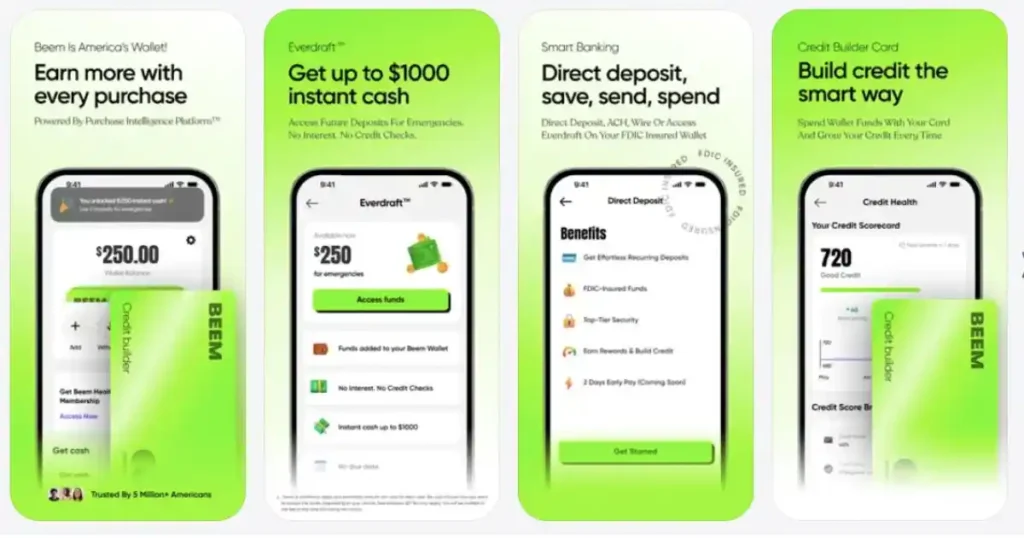
The most reliable way to find affordable high-risk car insurance is to compare personalized quotes from multiple top-rated providers at once – and that is exactly what Beem’s car insurance comparison tool does.
Beem partners with industry-leading insurance companies to surface the best available rates for your specific driving profile. You enter your information once, and in under 5 minutes you get personalized quotes from providers that are actually willing to cover you. No calls, no back-and-forth, no getting bounced around.
Here’s what you get when you compare with Beem:
- Personalized car insurance quotes based on your actual driving habits and needs
- Side-by-side rate comparison from top providers in one place
- Safe driving discounts factored into your quotes from the start
- Potential savings of up to 40% compared to not shopping around
- Trusted by 5 million+ users for their financial needs
For high-risk drivers especially, where rate variation between providers is extreme, a comparison tool is not a convenience – it is the difference between an unaffordable premium and one that actually fits your budget.
Tips to Lower Your Risk Profile Over Time
Your high-risk status is not permanent. Most violations drop off your record within 3 to 5 years – and in the meantime, you can take concrete steps to rebuild.
- Maintain a completely clean driving record going forward – even minor violations add up
- Avoid any coverage lapses. Gaps in insurance history signal risk to future insurers
- Improve your credit score where possible – in most states it factors into your rate
- Re-shop your insurance every 6 to 12 months. As your record clears up, better rates become available
- Consider a less powerful or lower-value vehicle, which typically carries lower base premiums
- Use Beem’s BudgetGPT to plan and manage your insurance payments so coverage stays consistent
Frequently Asked Questions
Can high-risk drivers get affordable car insurance?
Yes, but affordable is relative. High-risk premiums are always higher than standard rates, but the variation between insurers is large enough that shopping around – especially with a quote comparison tool like Beem – can surface rates that are genuinely manageable. Telematics programs and defensive driving discounts help further.
How long do I stay labeled a high-risk driver?
It depends on the violation. Most moving violations and at-fault accidents remain on your record for 3 to 5 years. A DUI can stay on your insurance record for 5 to 10 years depending on your state. During that period, maintaining a clean record and re-shopping regularly are the most effective strategies.
What is the cheapest car insurance for high-risk drivers?
There is no single cheapest provider because rates are deeply personal – they depend on your specific violations, location, vehicle, and coverage needs. The most reliable way to find the lowest available rate for your exact profile is to compare quotes from multiple providers at once, which is what Beem’s car insurance tool does in under 5 minutes.
Does a DUI automatically make you a high-risk driver?
Yes, in virtually every state. A DUI is one of the most serious flags in an insurer’s risk assessment. Most standard carriers will either significantly increase your rate or decline to renew your policy. You will likely need to look at non-standard insurers and will almost certainly be required to file an SR-22 for at least 3 years.
Can I compare high-risk car insurance quotes online?
Yes. Beem’s car insurance comparison tool lets you enter your details once and receive personalized quotes from multiple industry-leading providers in about 5 minutes. For high-risk drivers, comparing online is the fastest and most practical way to find coverage that fits your situation and your budget. Visit trybeem.com/car-insurance to get started.