

Table of Contents
Living paycheck to paycheck isn’t as simple as running out of money before the month ends. It’s a deeper emotional and financial pattern, one where timing becomes everything, stress becomes constant, and even small surprises can throw everything off balance. In today’s world, more Americans are facing this reality, not because they’re irresponsible, but because the cost of living continues to rise while financial breathing room keeps shrinking.
Understanding the signs early helps you recognize patterns, reduce stress, and take small but meaningful steps toward stability. And with tools built for real-life challenges, like Beem’s interest-free Everdraft™ and Smart Wallet, breaking the cycle becomes far more achievable than it seems.
Here are the 10 most common signs you are living paycheck to paycheck, and what you can do to slowly shift out of this cycle.
What It Really Means to Live Paycheck to Paycheck Today
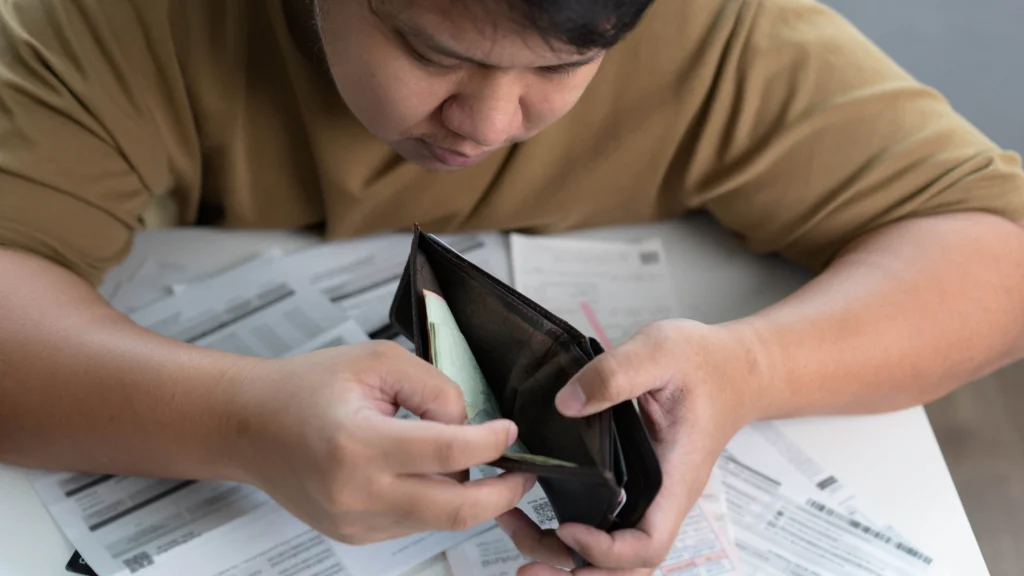
Living paycheck to paycheck means your income covers your basic expenses, but it leaves almost nothing behind. There’s no savings to cushion you, no wiggle room for emergencies, and no buffer for when bills arrive earlier than expected. It’s a stressful way to live, not because of poor decisions, but because modern life demands precise budgeting in a world full of unpredictable moments.
This cycle affects far more people than we acknowledge: families, single earners, gig workers, new graduates, and even professionals with stable incomes. It’s a financial tightrope that turns every unexpected bill into a mini crisis. Recognizing the signs is the first step toward changing your relationship with money and finding tools that support you, not stress you.
1. You Have Little to No Savings Left After Every Paycheck
If your bank account resets to near-zero by the time the next paycheck arrives, it’s a clear sign your budget is stretched thin. Even if you manage to cover all bills, the lack of leftover funds means you’re operating without a safety net, making you vulnerable to the smallest financial hiccup.
Savings don’t have to be large; even small amounts matter. But when saving feels impossible month after month, it’s a warning that your expenses and income are too tightly matched.
2. You Depend on Your Next Paycheck to Pay Essential Bills
When rent, utilities, or phone bills can only be paid after your next payday hits, you’re relying entirely on the timing of money rather than having the freedom to plan ahead. This creates a cycle where a delayed paycheck or unexpected deduction can instantly derail your ability to cover essentials.
This dependence is emotionally draining too. It makes budgeting feel like a constant race against the clock.
3. Unexpected Expenses Throw Your Month Into Chaos
A flat tire, a medical copay, school expenses, a vet visit: none of these are major emergencies, yet they often cause financial panic. If an unexpected $100–$300 cost means rearranging the rest of the month or dipping into debt, it’s a strong indicator of paycheck-to-paycheck living.
Life is full of surprises, and when every surprise feels like a threat, the financial pressure becomes overwhelming. Read more on Managing Emergency Expenses Without Overspending
4. You Regularly Use Credit Cards to Stay Afloat
Credit cards can be helpful tools, but relying on them to pay for groceries, gas, or bills each month signals a deeper cash-flow issue. Over time, interest charges create a snowball effect that pulls you further into debt.
If your credit card balance rises consistently even when your income doesn’t change, you’re likely using debt to fill the gap between paychecks.
5. You Rely on Overdrafts or Short-Term Loans
Overdraft fees and high-interest loans often become default solutions for people living paycheck to paycheck. The problem is that these solutions are designed to be expensive. A single overdraft can cost over $30, and payday loans can spiral into a debt cycle quickly.
This is where smarter alternatives matter. Tools like Beem’s Everdraft™ offer interest-free cash with no credit check, providing breathing room without the financial penalties attached to traditional short-term borrowing.
6. You Delay or Rearrange Bills Each Month
When you’re constantly shifting due dates, requesting extensions, or paying bills late to buy time, it’s a sign of financial strain. While flexible billing can help temporarily, consistently juggling due dates indicates a deeper cash-flow imbalance.
This juggling act also increases stress because you’re always trying to keep multiple financial plates spinning at once.
7. You Avoid Looking at Your Bank Account
Financial avoidance is more common than people realize. Many paycheck-to-paycheck earners feel anxious opening their banking app, afraid to see how much remains or whether charges have already cleared.
When checking your balance becomes emotionally exhausting, it’s often because the margin is too small to feel safe.
8. You Have No Room in Your Budget for “Wants”
Budgets built entirely around necessities, food, rent, utilities, and transportation leave no space for dining out, hobbies, or occasional purchases. When every month feels like a strict survival mode, it’s a sign that your financial situation doesn’t allow for flexibility.
Everyone deserves small joys without guilt, but paycheck-to-paycheck living often replaces enjoyment with constant calculation.
9. Your Income Doesn’t Feel Like It Keeps Up With Your Life
Even if your salary rises occasionally, the cost of living often rises faster. Rent, groceries, childcare, and insurance premiums all push monthly budgets to their limits, making it hard to feel like you’re making progress financially.
When every raise gets absorbed into basic expenses, it becomes clear that the financial system isn’t built to support stability without intentional planning.
10. Money Stress Follows You Everywhere
The mental load of living paycheck to paycheck is heavy. It affects sleep, mood, relationships, and even work performance. If money is the background noise to every decision you make, whether you’re at the grocery store or planning for next month, that’s a sign your financial system doesn’t support your lifestyle.
Money stress isn’t a personal flaw. It’s often a reflection of a system that hasn’t given you enough tools or options to feel secure.
How to Break the Paycheck-to-Paycheck Cycle
Breaking the cycle doesn’t happen overnight, but small, steady changes can create real stability over time. The goal isn’t perfection; it’s progress. Here are some steps that help:
1. Get Clear on Your Cash Flow
Understanding exactly when money enters and leaves your account is the foundation of financial control. Start by mapping:
- Income dates
- Bill due dates
- Automatic subscriptions
- Weekly or monthly essentials
Tools like Beem’s Smart Wallet visually break down cash flow, helping you anticipate tight weeks and adjust spending before stress hits.
2. Build a Small Emergency Buffer
An emergency fund doesn’t need to be thousands of dollars. Even $50–$200 can prevent reliance on credit cards or overdrafts when a surprise expense occurs. The key is consistency — saving small amounts each paycheck builds momentum.
Celebrate tiny wins rather than waiting for perfect conditions.
3. Avoid High-Cost Borrowing
Payday loans, expensive cash advances, and revolving credit card balances make it harder to escape paycheck-to-paycheck living. Instead, look for safer alternatives.
This is where Beem’s Everdraft™ shines. It offers up to $1,000 instantly, interest-free, with no credit check, giving you a way to handle emergencies without falling into long-term debt.
4. Track Small Daily Spending
Morning coffees, impulse snacks, quick online purchases: small expenses add up quickly. Tracking helps you identify patterns that might be draining your account without you noticing.
You don’t need to eliminate everything you enjoy; simply understanding your spending helps you make more informed choices.
5. Start Building Credit (Even Slowly)
A higher credit score unlocks better interest rates, cheaper loans, and more financial breathing room. Beem’s free credit-building tools help you strengthen your score safely, even if you’re starting with limited credit or past challenges.
Better credit reduces long-term costs, making it easier to break the paycheck-to-paycheck cycle for good.
6. Align Bills With Your Pay Schedule
If possible, shift due dates so they don’t cluster around the same week. Some companies let you request billing adjustments, and spreading payments out can make your month feel more manageable. A balanced schedule reduces the panic of “everything hits at once.”
7. Use a Smart Wallet to See the Month Ahead
Beem’s Smart Wallet shows upcoming expenses, projected spending, and bill reminders, giving you a clear picture of what the next few weeks look like. Knowing what’s ahead helps prevent surprises and reduces emotional stress.
8. Practice the “One Micro-Improvement Per Month” Strategy
Trying to fix everything at once leads to burnout. Instead, focus on one small financial improvement each month:
- Cancel one unused subscription
- Increase savings by $10
- Shift one bill date
- Reduce impulse spending on one category
These changes compound over time and move you closer to stability without overwhelming your life.
How Lifestyle Creep Quietly Pushes You Into Paycheck-to-Paycheck Living
Lifestyle creep is one of the most subtle financial pressures people face today. It happens when your spending increases every time your income rises, often without you realizing it. A small upgrade here, a nicer subscription there, a better phone, a new streaming platform, each one feels harmless in the moment. But over time, these incremental increases absorb the extra space in your budget until you’re back to living month to month, even though you technically make more money.
Breaking lifestyle creep doesn’t require stripping back everything you enjoy. It simply means pausing before upgrading, comparing your spending to your actual priorities, and intentionally directing at least a portion of every raise or bonus toward savings or debt reduction. Even a small shift creates long-term benefits and protects you from sliding deeper into paycheck-to-paycheck patterns.
Why Paycheck-to-Paycheck Living Looks Different for Each Household
One reason people often feel alone in their financial struggles is that paycheck-to-paycheck living doesn’t look the same for everyone. Two households earning the same income may have vastly different financial pressures depending on family size, health conditions, debt levels, rent prices, or the stability of their work schedule. This means that a person living paycheck to paycheck isn’t “bad with money”; they’re navigating a unique set of circumstances that shape their financial reality.
Recognizing these differences is important because it helps eliminate the shame often attached to financial strain. It also highlights why people need personalized tools — not generic advice to manage their money effectively. That’s where solutions like Beem become especially powerful, offering flexibility, visibility, and no-judgment support tailored to different financial rhythms and challenges.
Quick Comparison of Financial Stability Levels
| Financial State | Key Indicators | How It Feels Day to Day | Potential Next Step |
| Paycheck-to-Paycheck Survival | No savings, high anxiety, bills depend on paycheck timing | Constant stress, fear of surprises, juggling due dates | Build a small emergency buffer and seek interest-free options like Everdraft™ |
| Paycheck-to-Paycheck But Stable | Bills are covered, minimal savings, occasional reliance on credit | Manageable most months but vulnerable to unexpected costs | Use Smart Wallet tools to map expenses and reduce debt reliance |
| Building Comfort | Some savings, lower debt, better cash flow awareness | More breathing room but still cautious about big expenses | Strengthen credit and increase savings consistently |
| Financially Resilient | Established savings, predictable budget, good credit | Low daily stress and more freedom with money decisions | Explore long-term investing and goal-based planning |
You’re Not Alone and You’re Not Stuck
Living paycheck to paycheck doesn’t mean you’re bad with money; it means the modern financial landscape is incredibly demanding, and you’re doing the best you can within it. The good news is that awareness creates opportunity. Once you understand the signs, you can start taking steps to shift your financial foundation, even if those steps are small.
Apps like Beem are built specifically for people navigating this world, offering interest-free cash, credit-building tools, and smarter money management to make life easier. With the right support and intentional habits, breaking the cycle becomes not just possible, but realistic.
You deserve financial breathing room. And with the right tools, you can create it.
FAQs on Signs You are Living Paycheck to Paycheck
What is the main cause of living paycheck to paycheck?
The primary cause is that everyday expenses often rise faster than income, leaving little room for savings or emergencies. This creates a tight financial margin where even minor expenses can throw off an entire month. As a result, people rely heavily on timing and feel constantly vulnerable to financial surprises.
How do I know if I’m stuck in the paycheck-to-paycheck cycle?
You’re likely in this cycle if you consistently have no money left after bills, depend on your next paycheck for essentials, or feel stressed every time an unexpected expense appears. Many people don’t realize they’re living this way until they recognize patterns like debt reliance, delayed bills, or anxiety about checking their bank balance.
Can an app like Beem actually help me break the cycle?
Yes, because Beem offers tools designed specifically for cash-flow challenges. Everdraft™ provides interest-free, instant cash that prevents overdrafts and high-cost loans. The Smart Wallet gives you visibility into upcoming bills and spending patterns, while Beem’s free credit-building tools help you strengthen your long-term financial health. Together, these features can ease immediate stress while helping you build a more stable financial future.