
Table of Contents
Government benefit delays create a different kind of financial stress. The money is often expected, scheduled, and already factored into how a household plans for rent, groceries, utilities, transportation, and medicine. When that payment shows up late, the problem is not always “no income.” It is the timing that breaks everything else around it.
That is where people start asking whether Beem for government benefit delays makes sense as a backup. The honest answer is yes: Beem can be a safe backup for short-term timing gaps if the delay is temporary, you are eligible, and you use it as it is intended: as a short bridge, not as a replacement for the benefit itself.
We built Everdraft™ for short-term cash-flow pressure, with no minimum direct deposit requirement, no credit check, and no income restrictions. That makes it especially relevant for people whose incoming money may come from benefits, pensions, gig work, or mixed sources rather than a traditional payroll setup.
What Counts As A Government Benefit Delay?
A government benefit delay is not always a major bureaucratic failure. Sometimes it is a bank posting delay, a holiday timing shift, an account update issue, or a misunderstanding of the payment schedule.
For Social Security and SSI, official guidance says that if your regularly scheduled payment date falls on a weekend or legal public holiday, the benefit is paid on the business day before the due date. Social Security also says that if you do not receive your electronic payment on its due date, you should contact your bank or financial institution first because they may be experiencing a delay in posting your payment.
For federal benefit payments more broadly, Treasury guidance states that payments are made electronically and directs recipients to use direct deposit or Direct Express. Treasury also says benefit recipients with payment questions should contact their financial institution or the Treasury payment support line.
That matters because the first move in a delay is not always “find backup cash.” Sometimes it is simply a matter of confirming where the payment is stuck.
People Also Read: Why Beem Has No Income Restrictions
The First Question: Is Beem A Safe Backup?
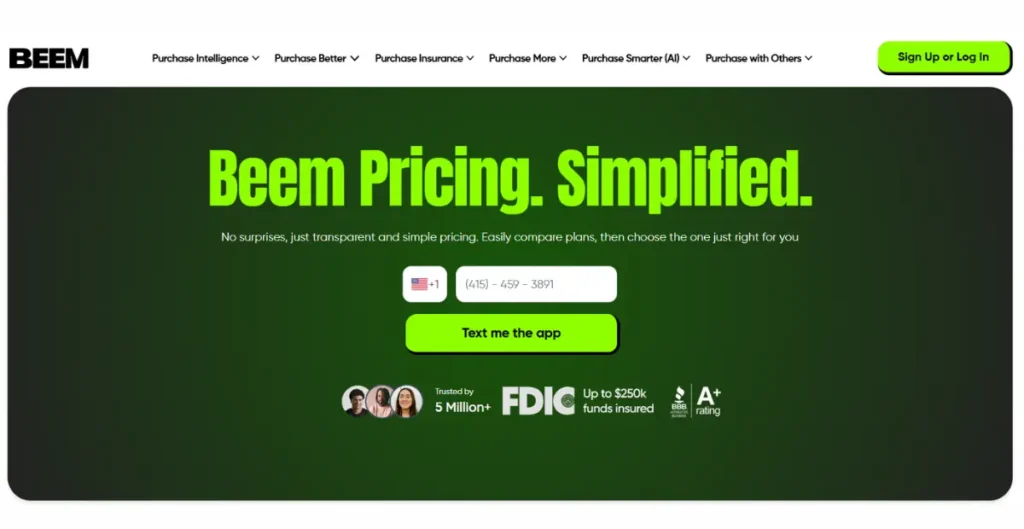
If by “safe” you mean “is this a traditional high-interest debt trap,” then Beem is designed very differently from that model. We position Everdraft™ as emergency cash access with no interest and no credit check, and we do not require a minimum monthly direct deposit amount to make it useful.
That is a meaningful difference for households that depend on benefits or other recurring deposits, because it means the product is built on real cash flow history rather than a narrow payroll-only requirement.
If by “safe” you mean “should I use this before I check where my payment went,” then the answer is no. A missing or delayed benefit payment should always be checked through the official channel first.
For Social Security and SSI, the guidance is to contact your bank first if the deposit does not appear on the due date, and then report the missing payment to Social Security if needed. Treasury gives similar direction for federal benefit payments more generally. Beem is safest when it is used to bridge a real short-term timing gap, not to ignore the reason the payment is late.
Why Beem Can Work Well For Benefit Recipients
The biggest reason Beem can make sense here is straightforward. Many backup-cash products are built around employer payroll. Benefit recipients do not always fit that model, even though their deposits may be regular and reliable.
We have been very clear that no income restrictions mean we do not require a minimum monthly direct deposit to access Everdraft™. Our recent guidance also explains that we focus on consistent cash flow, which can include government benefits and other recurring income streams. That makes Beem far more practical for people whose primary source of income is not a traditional paycheck. Download the app now!
This is especially important for users living near the end of the month. A government benefit delay of even one or two days can create pressure on fixed expenses that do not move. If your rent, utility bill, grocery run, or prescription refill is due before the deposit actually posts, a short-term bridge can keep the situation from becoming much more expensive.
How Beem Helps During Government Benefit Delays
1. Everdraft™ Can Bridge The Timing Gap
Everdraft™ is the clearest way we help in this situation. We position it as emergency cash access of up to $1,000 for eligible users, based on linked bank account activity and deposit behavior rather than credit scoring or employer verification. That is exactly what makes it useful when benefit income is real and expected, but late enough to create a short-term cash crunch.
The right way to think about this is simple. If the government benefit is coming and the issue is timing, Beem can act as a bridge between “expected” and “available.” That is where a short-term backup is at its healthiest.
People Also Read: Cash Advance For Unemployment Benefits
2. We Do Not Force You Into A Payroll-Only Box
Many people receiving benefits also have mixed incomes. They may receive Social Security, SSI, unemployment benefits, pension income, or other recurring income alongside part-time or gig work.
Our current guidance around eligibility makes that important point clear. We do not require a minimum income threshold to access Everdraft™, and our recent content specifically states that users whose income comes from government benefits can still fit the model, as we focus on consistent cash flow rather than a single, narrow employment structure.
3. You Can Choose Speed Based On The Situation
Not every benefit delay creates the same kind of urgency. Sometimes the deposit is late, but the bill is not due for another few days. Sometimes the money is needed immediately.
That is why transfer choice matters. Our model separates the emergency cash access from the delivery-speed decision. Standard transfer is the lower-cost option when time allows, while instant transfer to a debit card is there for situations where waiting would cost more.
In a benefit-delay situation, that flexibility can matter a lot, because the right answer depends on whether the late deposit threatens something essential right now.
What You Should Do First If A Benefit Payment Is Late
This part is crucial, and it is where many people make avoidable mistakes. Before you use any backup tool, check whether the payment is truly missing or just delayed in posting.
For Social Security and SSI, official guidance says to contact your bank or financial institution first if you do not receive your electronic payment on the due date. Treasury says similar things for federal benefit recipients and points people to bank support, GoDirect, and its payment support line. In other words, the safest sequence is: verify the payment status, confirm whether it is a posting delay, then decide if you need short-term support.
That sequence matters because Beem is best used as a bridge after you understand the gap. It is not a substitute for checking the actual status of the benefit payment.
People Also Read: The Complete Beem App Review
When Beem Makes Good Sense As A Backup
Beem is a strong backup in a benefit-delay situation when three conditions hold. First, the payment is expected and close, not uncertain for weeks. Second, the gap is tied to essential expenses such as rent, groceries, utilities, transportation, or medicine. Third, you are borrowing only what is needed to close that temporary gap.
That is the cleanest use case. A short bridge is often rational when it helps you avoid a shutoff, overdraft, missed prescription, or late housing problem while you wait for a benefit that is already supposed to arrive.
When Beem Is Not The Real Answer
A short-term backup is not the same thing as a long-term solution. If the issue is not a delay but a sustained benefit interruption, a claim problem, or a larger ongoing affordability issue, then the problem is bigger than a bridge.
That distinction matters a lot. Beem can help absorb timing stress, but it should not be mistaken for a replacement for an entirely missing income source over a long stretch. When the benefit problem persists, the next step must include the official agency process, benefit follow-up, and a broader household plan.
Is Beem A Good Backup For This Type Of Delay?
| Situation | Is Beem A Good Fit? | Why |
| Your Social Security or SSI deposit is due today, but has not posted yet | Maybe, after you check with your bank first | Official guidance says to contact the bank first, then decide if a short bridge is needed. |
| A benefit deposit is a day or two late, and rent is due now | Yes, often | This is a classic short-term timing-gap use case. |
| A delayed benefit is putting groceries or a prescription at risk | Yes, often | A short backup makes sense when it protects essentials. |
| The benefit problem looks like a long interruption, not a posting delay | Not as a full solution | That needs an agency-level follow-up and a broader financial plan. |
| You receive benefits plus other recurring deposits in the same account | Yes, potentially | We evaluate actual cash-flow behavior, not just payroll. |
How To Use Beem As A Backup Responsibly
The most responsible way to use Beem for government benefit delays is to solve the exact problem in front of you, not to borrow “extra” because you are anxious. If the delayed deposit creates a $95 grocery-and-gas problem, solve it. If it creates a $160 utility gap, solve the $160 gap. A good backup keeps the bridge small and the repayment path clear.
It also helps to match the transfer speed to the urgency. If the payment can wait a few days, the lower-cost route protects more of your money. If the problem is truly urgent, faster delivery may be the smarter choice if it prevents a much more expensive consequence.
People Also Read: How Income Protection Helps During Job Loss
Conclusion
Beem can be a safe backup for government benefit delays when the situation is what a backup is supposed to solve: a short-term timing gap. That is where Everdraft™ makes sense. It helps you stay steady while expected income catches up, especially if the delay threatens an essential bill or household need.
The best way to use us here is simple. First, verify the payment status with your bank and the official agency guidance.
Then, if the problem is temporary and the gap is real, use Beem to cover the exact shortfall, not to create a new one. That is how Beem works best as a backup: not as a replacement for benefits, but as a practical bridge when timing breaks.
People Also Ask
1. Can You Use Beem For Government Benefit Delays?
Yes, you can use Beem as a backup for short-term delays in government benefits if you are eligible and the issue is a temporary timing gap. It is most useful when the benefit is expected and close, but the household needs help covering essentials before the money actually posts.
2. Is Beem Safe To Use If A Government Benefit Payment Is Late?
It can be a safe backup when used for a short-term bridge, but it should not be your first move. Official guidance for Social Security and other federal benefit payments says to contact your bank or financial institution first if your payment does not appear on time. After that, if the issue is clearly temporary and the gap is immediate, Beem can be a practical backup.
3. Do You Need Traditional Payroll To Use Beem?
No. We do not require a minimum monthly direct deposit or traditional employer verification to make Everdraft™ useful. Our recent guidance also makes clear that consistent cash flow can include government benefits and other recurring deposits.
4. What Kind Of Expenses Make Sense To Cover With Beem During A Benefit Delay?
The smartest uses are essentials and timing-sensitive bills, such as rent, groceries, utilities, gas, transportation, or prescriptions. In other words, the best use case is when a small short-term bridge prevents a bigger household problem while the delayed benefit catches up.
5. Is Beem A Replacement For Government Benefits?
No. Beem is strongest as a short-term backup when a benefit payment is delayed. It is not a substitute for the benefit program itself, and it is not the right long-term answer if the issue is a prolonged interruption or a larger affordability problem.