
Table of Contents
The holiday season is traditionally associated with celebration, generosity, and shared experiences. However, in an inflation-driven economy, it also brings increased financial pressure for many households across the United States.
Rising prices across essential categories, such as food, fuel, travel, and retail goods, have made holiday spending more expensive than in previous years. What used to be manageable within a seasonal budget now requires more deliberate planning and prioritization.
The goal is not to eliminate holiday spending, but to approach it with structure. By understanding how inflation impacts seasonal expenses and adjusting your approach accordingly, it is possible to maintain both financial stability and meaningful celebrations.
Why Holiday Spending Is More Expensive During Inflation
Holiday spending feels more expensive not just because prices are higher, but because multiple inflated expenses occur at the same time.
During the holidays, households spend across several categories, gifts, travel, food, and utilities, all of which have been affected by rising costs. When these expenses are combined within a short period, the total impact becomes significantly larger.
In addition, holiday spending is often time-sensitive and concentrated, leaving little flexibility to delay purchases or adjust plans. This combination of higher prices, frequent spending, and limited flexibility makes the financial pressure of the holiday season feel more intense during inflation.
Multiple Cost Pressures Occur Simultaneously
During the holiday season, households typically spend across several categories at once, gifts, travel, food, decorations, and social events. Each of these categories has been affected by inflation.
- Retail prices have increased due to higher production and supply chain costs
- Grocery bills are elevated, especially for hosting and large meals
- Gas and transportation costs fluctuate, often rising during peak travel periods
- Utility costs may increase due to seasonal demand
When these expenses occur together within a short timeframe, the cumulative effect can significantly exceed expectations.
Read: Holiday Shopping on a Budget
Spending Is Concentrated Into a Short Period
Unlike regular expenses that are distributed throughout the year, holiday spending is compressed into a few weeks. This creates a higher demand on cash flow, even for households with stable income. The result is often a mismatch between when money is needed and when it is available, which can lead to financial strain if not managed proactively.
Building an Inflation-Adjusted Holiday Spending Strategy
Managing holiday expenses during inflation requires a shift from unplanned, reactive spending to a more structured and intentional approach. Rising prices make it easier to overspend without realizing it, especially when purchases are spread across gifts, travel, and events.
A well-defined strategy helps create clarity around how much you can spend and where that money should go. By setting limits in advance, prioritizing essential categories, and planning purchases over time, you can reduce financial pressure while still participating in holiday traditions.
This approach not only improves control during the holiday season but also helps prevent post-holiday financial strain, making your spending more sustainable in the long run.
Establish a Realistic Total Budget
The first step is defining a total spending limit based on current financial conditions, not previous years. Inflation changes baseline costs, so relying on past budgets may lead to underestimation.
A realistic budget should account for:
- Fixed monthly obligations
- Current cost of essentials
- Available discretionary income
Setting an overall limit first creates a clear boundary, reducing the risk of incremental overspending.
Prioritize Spending Categories
Once a total budget is established, allocating funds by priority ensures that essential areas are covered first. This may include:
- Gifts for immediate family or close relationships
- Travel expenses that cannot be avoided
- Food and hosting costs
Lower-priority categories, such as decorations or non-essential purchases, can be adjusted if necessary.
Distribute Spending Across Time
One of the most effective ways to reduce financial pressure is to spread spending across multiple weeks or pay cycles. Purchasing items earlier allows households to avoid concentrated expenses in December.
This approach also provides more flexibility to compare prices, take advantage of discounts, and make more informed decisions rather than rushed purchases.
Controlling Costs Without Reducing the Holiday Experience
Inflation does not require eliminating holiday traditions, it requires rethinking how value is created and experienced. By focusing on meaningful choices rather than higher spending, you can maintain the essence of the holidays while keeping costs under control.
Shift Focus From Quantity to Intentional Spending
Instead of increasing the number of purchases, focusing on fewer, more meaningful items can improve both financial efficiency and personal value.
This may involve:
- Setting gift limits within families
- Participating in group gift exchanges
- Choosing practical or long-term-use items
The emphasis shifts from volume to relevance, reducing unnecessary spending while maintaining emotional impact.

Manage Travel and Fuel Costs Strategically
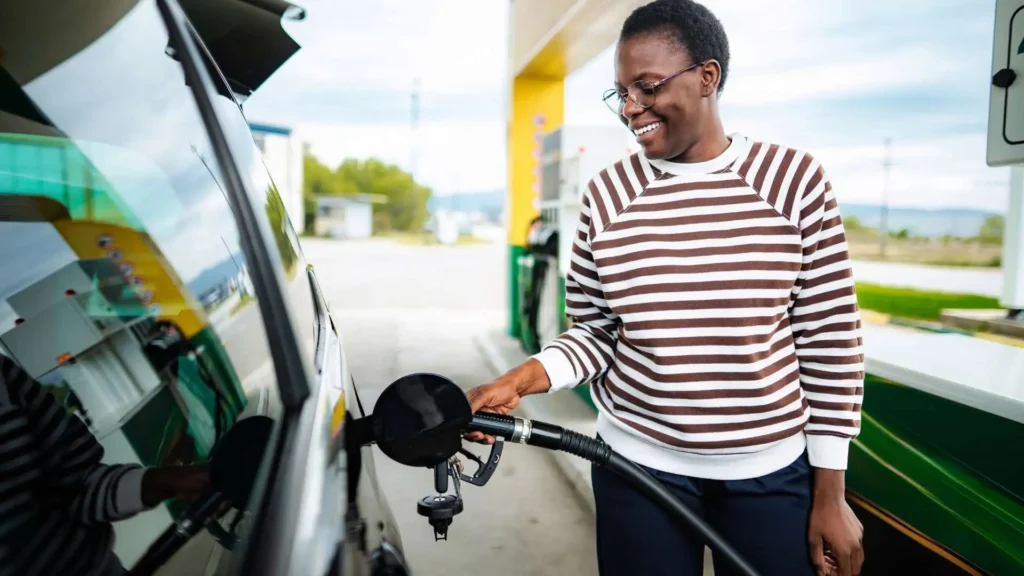
Travel remains one of the most inflation-sensitive categories during the holidays. Planning ahead can significantly reduce costs.
Booking early, consolidating trips, or adjusting travel schedules can help avoid peak pricing. For households relying on driving, even small savings can make a difference.
Using tools like Beem cashback on gas (3%) can help reduce the effective cost of fuel over time, especially during high-travel periods. While the savings per transaction may be small, they accumulate across multiple trips. Beem gives you instant cashback at gas stations nationwide, plus thousands of other stores. Make your budget work harder for you. Get cash back on gas purchases.
Use Short-Term Liquidity Carefully to Avoid Debt
Holiday expenses can sometimes create temporary cash flow gaps, particularly when spending is concentrated before income arrives.
In such cases, it is important to distinguish between:
- Short-term timing gaps
- Long-term affordability issues
Structured tools like Beem’s Everdraft™, which provide access to short-term funds without interest or credit checks, can help bridge these gaps when used responsibly. The goal is to maintain continuity without introducing long-term financial obligations.
Managing Financial Stability During and After the Holidays
Holiday spending decisions extend beyond December, often shaping financial stability in the months that follow. Planning ahead helps ensure that seasonal expenses do not create ongoing financial pressure in the new year.
Track Spending to Maintain Visibility
Without active tracking, it is easy for small purchases to accumulate beyond planned limits. Monitoring expenses across categories ensures that spending remains aligned with the original budget. Real-time awareness allows for adjustments before overspending becomes significant.
Avoid the Post-Holiday Financial Strain
One of the most common outcomes of unmanaged holiday spending is financial pressure in January. Regular expenses, such as rent, utilities, and groceries, continue immediately after the holiday season. Planning ahead helps ensure that holiday spending does not compromise the ability to meet these obligations.
Rebuild Financial Buffers Gradually
If savings are used during the holidays, rebuilding them should be done gradually rather than aggressively. Small, consistent contributions are more sustainable and less disruptive to overall cash flow. Maintaining a buffer is particularly important in an inflationary environment, where unexpected expenses may arise more frequently.
Conclusion: Structure Matters More Than Spending Cuts
Inflation has changed the financial dynamics of the holiday season, but it has not removed the ability to celebrate meaningfully.
The key difference is that unstructured spending is no longer sustainable.
- Setting realistic budgets
- Distributing expenses over time
- Prioritizing essential categories
- Using tools that support both savings and short-term flexibility
Households can navigate the holidays without creating long-term financial strain. In an inflationary environment, success is not defined by how much is spent, but by how well spending is managed.
Download the Beem app to access emergency cash quickly when you need it most.
Get fast support with a simple, secure, and stress-free experience.
Frequently Asked Questions
1. How does inflation affect holiday spending?
Inflation raises the cost of gifts, travel, and food, making overall holiday expenses higher.
2. What is the best way to budget during inflation?
Set a total spending limit, prioritize essentials, and spread purchases over time.
3. Should I use credit cards for holiday shopping?
Only if you can repay quickly. Carrying balances can lead to long-term costs.
4. How can I save without cutting holiday traditions?
Focus on fewer, meaningful purchases and plan spending in advance.
5. How do I handle cash flow gaps during the holidays?
Plan early, track spending, and use short-term solutions carefully when needed.