
Table of Contents
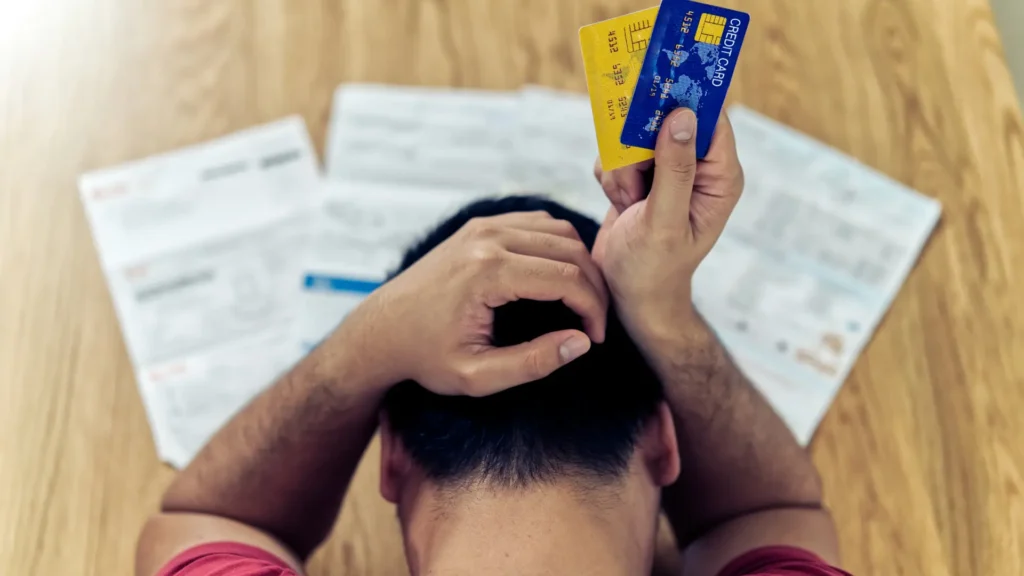
The utility bill lands on the 27th. Payday is the 1st. Four days and $180 are standing between you and a late fee that wipes out whatever buffer you had. This is not a story about financial irresponsibility. It is a story about timing, and roughly 78% of American workers live some version of it, according to a 2025 LendingClub report on paycheck-to-paycheck living.
The gap between when money is due and when money arrives is a cash flow problem, not a character flaw. And a credit card, used with one specific rule in place, is the cleanest solution available. There are no overdraft fees. No predatory advance apps taking a cut. No late payment penalties are stacking up on your record.
This guide covers exactly how to use a credit card as a paycheck bridge without paying a dollar of interest, without damaging your credit score, and without turning a four-day gap into a four-month debt.
Why Paycheck Gaps Happen and What They Actually Cost
Most people who struggle with the gap between paychecks are not overspending. They are dealing with a simple timing mismatch: fixed bills operate on calendar cycles, and employers operate on pay cycles, and those two schedules rarely line up cleanly. Understanding what this mismatch actually costs when handled badly makes the case for a smarter approach obvious.
This is not a niche problem affecting a small group of people. The majority of American workers operate with little to no financial cushion between pay periods. This means that the gap between a due date and a payday is a recurring financial event that needs a repeatable, low-cost solution.
The Timing Mismatch Explained
Landlords want rent on the first. Utilities bill on fixed calendar dates. Insurance premiums auto-draft regardless of where you are in your pay cycle. Meanwhile, most salaried employees are paid every two weeks or hourly, while gig workers often face even more irregular income timing. The result is a recurring situation in which obligations arrive before income. The gap is not a sign that your budget is wrong. It is structural, and it needs a structural solution.
What Handling It Wrong Actually Costs
The average overdraft fee in the U.S. sits around $26 per transaction as of 2026, down from historical highs but still significant when a tight week produces two or three of them.
Payday loans and paycheck advance apps charge fees that translate into APRs of 200% to 400% on short-term amounts. A $200 advance that costs $30 in fees to access for 10 days is not a bridge. It is an expensive habit that compounds the original problem. Someone choosing between a $26 overdraft fee and putting a $200 utility bill on a credit card they will pay off on payday is making a mathematical, not a moral, decision. The card wins by a significant margin.
Why a Credit Card Beats Every Other Short-Term Option
Used correctly, a credit card charges zero dollars to bridge a gap. The grace period on most cards (the window between the statement closing date and the payment due date) runs 21 to 25 days. Charge a bill today, pay it when your paycheck arrives before the due date, and the total interest paid is exactly nothing. No app fee. No overdraft. No late penalty. The card is a zero-cost bridge as long as the one condition of full payment before the due date is met.
Read: How to Rebuild Credit After Bankruptcy With a Credit Card in 2026
The Rules That Make This Strategy Work
Using a credit card as a paycheck bridge is only interest-free if one condition holds: the balance gets paid in full before the due date. Everything else in this strategy exists to protect that condition. Break it once, and the gap that was supposed to cost nothing starts costing 25% APR on whatever remains.
The strategy is simple, but it requires understanding two things that most cardholders never bother to learn: what their billing cycle actually looks like and which charges belong on the card during a gap week.
The One Condition That Keeps It Interest-Free
Credit cards charge zero interest on purchases as long as you pay the full statement balance before the due date. This grace period is built into every standard credit card by law. The gap strategy works entirely within this grace period. You charge the bill, the paycheck arrives, and you pay the card in full. Done. The math only breaks if you carry a balance from one statement to the next, which triggers interest on the entire amount from the purchase date.
What Your Billing Cycle Is and Why It Changes Everything
Your billing cycle is the monthly period during which purchases are posted to your statement. It typically runs 28 to 31 days and ends on your statement closing date. After that closing date, you have 21 to 25 days to pay the balance before interest applies. Understanding when your closing date falls relative to your payday tells you exactly how much time you have to bridge.
A nurse on a biweekly pay schedule mapped her card’s closing date against her pay dates in the first week of a new job. She discovered she had a natural 18-day window between her paycheck arriving and her next statement closing. She scheduled every gap charge within that window and paid the full balance automatically on payday. In 14 months, she paid no interest.
The Charge-It Rule for Gap Spending
| Bridge It | Why It Works | Leave It Off |
| Utility bills are due before payday | Fixed, predictable, and paid off when the check arrives | Restaurants and food delivery |
| Rent is due on the date that falls before payday | Non-optional, cleared at payday | Subscriptions not yet due |
| Groceries with a hard weekly cap | Essential, budgetable, controlled | Impulse or comfort purchases |
| Insurance premiums | Auto-drafts cannot wait | Clothing or home items |
| Prescription medications | Non-negotiable timing | Entertainment or leisure |
Read: Beem for Childcare Expense Gaps Between Paychecks: A Complete Guide
How to Protect Your Credit Score While Bridging
Regularly using a card as a paycheck bridge means carrying a balance for short periods each month. Done carelessly, this creates a utilization problem that quietly damages your credit score even if you pay in full every cycle. Done correctly, the score stays clean, and the strategy costs nothing.
Credit utilization is the ratio of your reported balance to your credit limit, and it makes up 30% of your FICO score. Reporting occurs on your statement closing date, not your payment due date. This distinction is the entire key to bridging without score damage.
What does utilization do when you bridge regularly?
Charge $600 in gap expenses to a card with a $1,000 limit and do not pay it down before the closing date. The bureau sees 60% utilisation. Your score drops. Pay that same $600 down to $80 before the closing date, even if you charged it legitimately as a bridge, and the bureau will see 8% utilization. Your score stays healthy. The charges were identical. The timing was different.
According to FICO data, keeping utilization below 10% produces measurably better scores than staying below the commonly cited 30% threshold.
The Statement Closing Date Strategy
Find your card’s statement closing date and treat it as a soft payment deadline, not just the due date. Pay down the bulk of your bridged charges before the closing date so the snapshot the bureau takes shows a low balance. You still have until the actual due date to pay any remainder without triggering interest. But what gets reported on the closing date is what drives utilization.
Managing that number proactively is what separates bridgers who see no score impact from those who wonder why their score drifts downward despite paying their bill.
One Dedicated Card for Bridging
Keep your bridge card separate from your everyday spending card if you have more than one. A gig worker kept a single $800 limit card exclusively for gap bridging and used a separate card for regular purchases. His credit card never mixed with discretionary spending, which meant the balance was always predictable, always paid on time, and never crept past 15% utilisation. His credit score stayed above 720 through 18 months of regular bridging. The separation was the entire reason it worked cleanly.
Read: Credit Cards for People Rebuilding After Divorce: What to Know in 2026
Tools and Habits That Make the Strategy Bulletproof
The strategy breaks down in two specific situations: a payment gets missed during a tight week or informal cash needs during the gap push the card balance higher than planned. Both are preventable with the right setup.
Neither fix requires significant effort. One is a five-minute autopay configuration. The other is using the right tool for the right type of transaction, so the credit card never has to absorb spending it was not designed to handle.
Autopay Setup That Prevents Missed Payments
Set up autopay for the minimum payment as a safety net on every bridging card you use. Then pay the full balance manually when the paycheck arrives. Autopay ensures that even if you forget or a hectic week derails your routine, a payment still processes and your payment history stays clean. Payment history accounts for 35% of your FICO score, and one missed payment can drop it by 60 to 100 points. A five-minute autopay setup eliminates that risk.
How Beem Handles What the Card Should Not
The gap period creates informal financial friction that doesn’t belong on the credit card: a roommate needs their share of the internet bill, a friend covered your lunch and needs to be paid back, and a family member sent money, and you need to return part of it. Each of these individually feels minor. Together, they push the card balance past what payday can clear cleanly.
Beem moves money instantly for exactly these situations. Someone mid-gap who owed a roommate $75 for a shared grocery run sent it through Beem in seconds rather than putting it on the card. The card stayed at $210, covering the utility bill it was supposed to cover. Payday cleared it completely. Zero interest. Zero score impact.
Beem helps you improve your credit score without the risk of incurring expensive interest charges.
The One Number to Check Every Week
Check your card balance every week on the same day. Don’t stress about it, but catch utilization creep before it hits the closing date and affects your score. A balance at 18% on a Tuesday with the closing date on Sunday is fixable. The same balance discovered on the statement is not the same. Weekly checks take three minutes and prevent the majority of score surprises that affect people who only check their card monthly.
The Gap Is a Timing Problem. Treat It Like One
Bills due before payday are not a sign that something is broken in your financial life. It is a structural feature of how pay and billing cycles interact, and it has a clean, zero-cost solution when deliberately approached.
Use the card only for fixed essentials. Pay the full balance when the paycheck lands. Keep informal costs through Beem so the card balance stays predictable and clearable. Check the balance weekly so nothing surprises you at the closing date. Download the app now.
The four-day gap between the bill and the paycheck doesn’t have to cost anything. Set it up right once, and it never will.
FAQs: How to Use a Credit Card to Bridge the Gap Between Paychecks
1. Is using a credit card between paychecks a bad idea?
Not if one condition holds: you pay the full balance on time every single month. Within that constraint, the card is a zero-cost bridge that beats every alternative, including overdraft fees, advance apps, and late payment penalties. The strategy only becomes problematic when carrying a balance becomes a habit rather than a rare exception.
2. How do I avoid paying interest when bridging with a credit card?
Pay the full statement balance before the due date, not just the minimum. Most cards offer a 21 to 25-day grace period between the statement closing date and the due date. Any balance cleared within that window costs zero interest. Set up a calendar reminder for your payday to trigger the full payment automatically so the timing never slips.
3. What is the safest type of charge to put on a card during a paycheck gap?
Fixed, predictable, non-optional expenses: utility bills, rent, insurance premiums, and groceries with a hard weekly cap. These charges have known amounts, clear necessity, and are paid off cleanly when the paycheck arrives. Discretionary spending during a gap week creates variable balances that are harder to clear in full on payday.
4. Can bridging with a credit card hurt my credit score?
Only if the balance is still high on the statement closing date, the bureau reports your balance on that date, not your payment due date. Pay down the balance before the closing date, and utilization stays low regardless of what you charged during the cycle. The score impact is entirely controllable through timing.
5. What is better between paychecks: a credit card or a paycheck advance app?
A credit card used correctly is almost always better. Advance apps charge fees that translate to triple-digit APRs on short amounts. A credit card with a grace period charges no interest if the balance is paid in full. The only scenario where an advance app makes sense is when your credit card balance is already too high to absorb another charge without triggering a utilization problem.