
Table of Contents
The life insurance industry is already complicated, and these add-ons only make it more so. The Accidental Death Benefit (ADB) rider is one of these add-ons that frequently confuses individuals. Many individuals buy this add-on merely because it is inexpensive and has a distinctive name, without first knowing what it covers and, more crucially, what it does not cover. Others simply disregard it, believing that it is either worthless or a marketing trick.
An accidental death benefit rider should never be considered a substitute for proper life insurance. It only pays out in well-defined instances, and the minor details make all the difference. This blog will lead you through the details of the accidental death benefit riders. In short, this is accidental death benefit riders explained in plain English.
Accidental Death Benefit Riders Explained: What Are They?
An accidental death benefit rider is an add-on to a life insurance policy that pays an additional payment if the insured dies as a result of an accident. It is similar to an additional payment – but only if certain tight conditions are met.
- This extra coverage does not replace your core life insurance cover. Instead, it is added to your existing life insurance policy. In the event of accidental death, as specified in the policy, the insurer will pay both the basic life insurance sum and the accidental death bonus.
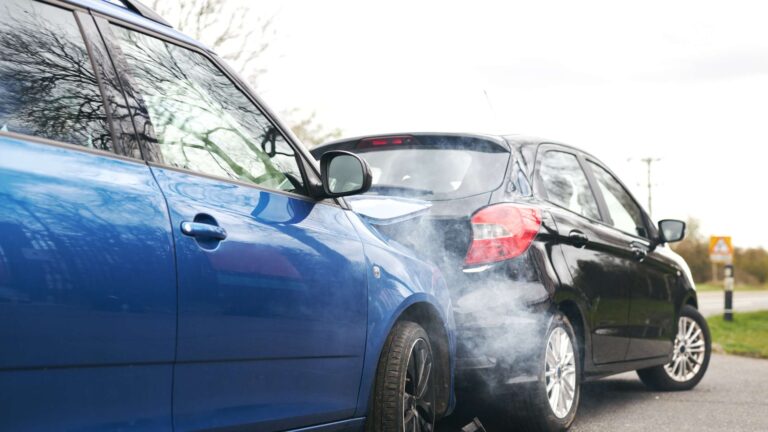
- The phrase “accidental death” legally refers to an unexpected, sudden, external, and unintentional event, such as a car accident or a tumble. Deaths due to sickness, natural causes, or a slow-developing medical condition are rarely ruled unintentional.
- The primary distinction between standard life insurance and an ADB rider is certainty. Life insurance pays out regardless of what happens (as long as the policy is in force). An ADB rider will pay out only if certain conditions are met.
Insurance companies market this add-on benefit because it poses no risk to them and sounds attractive. One should only buy this after considering all the pros and cons of this add-on.
How the Accidental Death Benefit Rider Works
The accidental death benefit rider can only be activated if death occurs as a result of a qualifying accident. The rider’s terms and conditions are explicitly stated in the policy document, and they must be met for the additional benefit to be activated.
When the insurer receives a claim, it will first process the typical life insurance claim. They will then evaluate whether the cause of death was an accident under the rider’s provisions. Medical and accident reports will need to be reviewed. Most accidental death benefit riders also have a time limit.
Here is an example: If a person dies in a car accident, the ADB rider can be claimed, but not if someone falls ill and dies. If an accident causes long-term health problems and death years later, it may fall into the gray zone.
What Counts as an “Accidental Death”?
| Counts as Accidental Death | Does Not Count as Accidental Death |
| Automobile or vehicle accidents | Heart attacks or strokes |
| Falls resulting in fatal injury | Death from pre-existing medical conditions |
| Industrial or workplace accidents | Illness-related death |
| Unintentional drowning | Deliberate risk-taking |
| Fires, explosions, or natural disasters (if accidental | Death during illegal activities |
| Injuries from external trauma | Death caused intentionally by the insured or others |
| Animal attacks | Deaths are exacerbated primarily by chronic illness |
What Is NOT Covered Under an ADB Rider?
Accidental death benefit riders may appear basic on the surface, but the true complexity resides in their exclusions. While the name implies broad coverage, the rider only pays out under very specific conditions. Many causes of death that families believe are “accidental” are not covered by the policy, thus explaining why ADB claims are typically denied. These are the following causes of death that are not considered accidental:
- Illness or Disease – When death is a result of an ongoing or concurrent medical illness such as cancer, heart attacks, strokes, or infections, then it is not considered accidental; even if the death is untimely, it is not put into this category.
- Natural Causes – Death, which comes naturally, without any violent external infliction, is also not considered accidental and is taken as a result of natural causes.
- Self-Inflicted Injuries – deaths caused by pain inflicted by oneself – aren’t considered accidental, whether it’s suicide or a self-inflicted injury.
- Deaths from Intoxication or Substance Abuse – When alcohol, drug, or medicine abuse is involved, the claim is frequently refused. Even in the event of an accident, intoxication may result in the refusal of ADB payments.
- Engaging in High-Risk Activities – activities such as adventure sports and professional sports are frequently excluded unless specifically mentioned. If such risks are not stated, the ADB rider typically does not pay.
How Much Extra Coverage Does an ADB Rider Provide?
Accidental death benefit riders normally provide only a tiny amount of additional coverage. The benefit amount is typically limited and closely related to the base policy value. While it is sometimes marketed as something that “doubles” your protection, this is not necessarily true. Most policies have maximum restrictions on the amount of additional protection that can be supplied, regardless of the size of your basic policy.
Because of these constraints, the rider will often provide only minimal financial protection. It may help with urgent expenses, but it cannot replace income or provide for your family’s future on its own. This is why it is better suited as a short-term treatment rather than a protection plan.
Will this additional payment truly improve your family’s financial situation? In many cases, adding to your basic life insurance coverage can provide a broader and more reliable kind of protection than an additional payment that is only used in exceptional circumstances.
Cost of Accidental Death Benefit Riders
One could assume that accidental death benefit riders are not a concern because they don’t appear to be a particularly significant commitment. Few people pause to consider the rider’s ramifications or hesitate to accept accidental death benefits. However, the likely benefit, rather than the low costs, is the important factor.
The great majority of deaths do not match the criteria for these riders to pay up, and they only do so under extremely precise conditions. In the end, it accumulates over time when someone keeps paying for a service they might never require.
It’s also worth considering other uses for that money. Increasing the strength of your primary life insurance policy often provides your family with more comprehensive and reliable protection. Although it’s a limited option, an ADB rider isn’t a horrible choice. It only makes sense if you are aware of its limitations and make a conscious decision, not merely because it seems cheap.
Who Might Benefit From an ADB Rider
The accidental death benefit rider could work in favor of an individual who faces a larger degree of physical risk daily, including
- People working in life-threatening situations
- People involved in travel-related work who travel a lot
- People who are driven to try risky activities
It can also be useful to primary earners at the beginning of their working lives, particularly when money is tight. In these circumstances, the rider provides a degree of supplementary protection without adding much complexity.
ADB riders may also be useful in transitional periods, such as when a person is waiting to upgrade an existing policy or is still accumulating comprehensive life insurance coverage. The rider functions best as a supporting layer in each of these scenarios – a tiny financial buffer that supplements core life insurance protection.
Who Probably Doesn’t Need an ADB Rider
For some people, an accidental death benefit rider could be a complete waste, especially in the The biggest difference between an accidental death rider and term life insurance is how broadly they protect your family. Term life insurance pays out in most situations – whether death is caused by illness, an accident, or natural causes. That makes it far more reliable and predictable.
An accidental death rider, on the other hand, pays only if death meets a very specific definition of an accident. In real life, that significantly narrows its usefulness. Most families don’t struggle financially because of how someone died; they struggle because income and stability are suddenly gone because of the following situations:
- Regardless of the cause of death, those who already have adequate base life insurance ensure that their family’s finances are adequately taken care of.
- Individuals whose risk is more likely to be health-related than accident-related as they age
- The likelihood of qualifying accidental claims is typically lower for senior policyholders.
Adding riders can complicate matters if you already have excessive insurance, but it won’t always result in better protection. It may divert your attention from determining whether the primary coverage remains sufficient to meet your goals.
Many consumers add ADB riders because the moniker sounds comforting. In situations like these, it’s more beneficial to ignore the accidental death benefit and just go with simple life insurance.
Accidental Death Riders and Employer Insurance
As part of their benefits package, many employers provide AD&D (Accidental Death and Dismemberment) coverage. Only when a qualifying accident results in death or when the insured has a serious injury, such as losing a limb, sight, or hearing, does AD&D pay out benefits. Despite its potential benefits, this coverage typically has significant drawbacks.
The coverage amounts are frequently small and might not be sufficient to sustain a family in the long run. If you move jobs or quit, sometimes with little warning, the coverage may also expire. Furthermore, there is usually minimal flexibility in employer-sponsored AD&D plans due to their predetermined definitions and exclusions.
Therefore, AD&D coverage should be viewed as an added benefit rather than a substitute for adequate life insurance.
Where Beem Life Benefit Fits
Beem Life Benefit fits in as a straightforward, uncomplicated layer of protection. Without complicated criteria or exclusions, it provides families with immediate, uncomplicated help in the event of an unexpected death. From the house of Beem, the AI-powered smart wallet trusted by over 5 million Americans, Beem Life Benefit serves as an effective additional safety net, even with a small benefit amount, particularly for those who value clarity, convenience, and quick access in uncertain times. Download the app here.
How to Decide If an ADB Rider Is Worth It
Before deciding if ADB is worth it or not, keep a check of these points: –
- Find out what circumstances fall under the policy’s definition of “accidental death.”
- Look for exclusions, such as substance abuse, medical disorders, and activities.
- Recognize whether the maximum payout is capped below your base policy.
- Clearly indicate the time limits that must be met between the accident and death to make a claim.
- Verify how long the rider has been active and whether it may be deleted later.
- Examine how your long-term insurance plan accounts for this added cost.
Final Verdict
Although accidental death benefits seem quite secure, not everyone may require them. Their function is limited, and in most situations, these riders might never replace adequate insurance coverage. They can supplement your insurance if you choose them with knowledge, but if you choose them ignorantly, you are simply incurring unwarranted risks. Additionally, you need to fully understand them before making an informed choice.
FAQs for Accidental Death Benefit Riders Explained in Plain English
Does the accidental death benefit rider justify the cost?
It is contingent on your overall coverage and risk exposure. If you already have adequate life insurance, the rider may provide a limited benefit. Most people prioritize increasing core life coverage over adding an accident-only rider.
Will an ADB rider cover illness-related deaths?
No. An ADB rider only pays if death occurs as a direct result of a qualifying accident. Deaths caused by illness, disease, or natural causes are not covered unless specifically stated as accidental in the policy terms.
Can I include the ADB rider later?
Yes, this happens a lot. Many insurers allow riders to be added after the base policy is issued, but approval may necessitate an underwriting and eligibility review at the time of addition.
Are AD&D and Life Insurance the Same?
No. Life insurance covers the majority of causes of death, whereas Accidental Death and Dismemberment (AD&D) coverage is much more limited, covering only specific accident-related events.
Does it prevent workplace accidents?
Generally, yes, if the death is classified as an accident under the policy. However, exclusions may apply based on occupation, hazardous activities, or policy limitations.
Is it better to have more term life insurance?
In most cases, the answer is yes. Expanding term life coverage provides greater protection for all causes of death, making it a more comprehensive and cost-effective solution than relying solely on accident coverage.