
Table of Contents
Natural disasters do not just damage homes, roads, and power lines. They also destroy financial timing.
A storm hits, and paychecks get delayed. Work hours disappear for a week. A hotel stay replaces your normal rent routine. Groceries, gas, medicine, pet supplies, chargers, batteries, and transportation suddenly become urgent at the exact moment your normal money flow gets disrupted. That is when short-term cash matters most. Not because it solves the disaster, but because it helps you stay functional while everything else is unstable.
That is exactly where Beem can help. Everdraft™ is built for short-term cash gaps. During a natural disaster, that can mean helping you cover emergency essentials. At the same time, you wait for your next deposit, payroll to resume, a reimbursement to land, or life to return to something closer to normal.
Why Natural Disasters Create Instant Cash Problems
Most financial stress during a disaster is not long-term at first. It is immediate.
The first problem is usually not “I have no future income.” The first problem is “I need money right now for things I did not plan to buy this week.” That might be evacuation fuel, temporary food, a ride to safer housing, backup medication, a motel night, a phone bill you cannot miss, or a utility payment you still need to keep active while the rest of life is off track.
This is why disaster money stress feels so intense. Normal budgets are built for ordinary weeks. Natural disasters create abnormal days, and those days compress multiple urgent costs into a very short window.
People Also Read: Protecting Your Financial Life During Natural Disasters and Local Emergencies
Where Beem Helps Most During A Natural Disaster
Beem is most useful when the disaster creates a short-term timing gap between what you need now and what money is available today.
That is the best way to think about Everdraft™ in a disaster situation. It is not meant to rebuild a house or replace long-term insurance support. It is meant to help you stay on your feet through the first stretch of disruption, when cash timing is broken, and urgent essentials cannot wait.
That can make a real difference in situations like these:
Evacuation Costs
A disaster can force you to leave fast. Fuel, food on the road, tolls, temporary lodging, and basic supplies can all hit at once. Everdraft™ can help cover that immediate move from unsafe to stable.
Grocery And Water Runs
One of the first things households do before or after a storm is stock up or restock. That sounds simple until shelves are thin and your checking account is already tight. A short-term cash bridge can help cover food, water, and household essentials during the most chaotic stretch.
Medicine And Health Needs
Disasters interrupt routines. Pharmacies may close early, transportation may become harder, and replacement supplies may become urgent. If the problem is timing and not total affordability, Beem can help close that gap quickly.
Hotel, Temporary Stay, Or Housing Gap
A natural disaster can create a short housing disruption even if your long-term housing is still there. One or two nights away from home, extra transport, and basic living costs can create a real cash squeeze fast. That is exactly the kind of short gap Everdraft™ is built to help with.
Power, Internet, And Utility Pressure
Even during a disaster, some bills still need to be paid immediately. Power, internet, mobile service, or urgent utility payments can be the difference between staying connected and making a hard week even harder.
Why Beem Works Well In Disaster Weeks
A disaster week is not a normal week, so the financial tool has to work in that reality.
Beem helps because Everdraft™ is designed as a short-term bridge, not a long application-heavy product. If you already use Beem, that matters even more in an emergency. You are not starting from zero when everything is already stressful. You are using a tool built for timing problems, and natural disasters pose some of the biggest timing challenges people face.
Another reason Beem fits well here is flexibility. Disaster-related cash stress does not always come from one source. It may come from delayed wages, gig work interruptions, reimbursement lag, or a household cash mismatch.
A user-side tool like Beem works better in those moments because it is built around real account activity and real short-term need, not one rigid definition of what income should look like. Download the app now!
How To Use Everdraft™ Responsibly During A Natural Disaster
Disaster situations are emotional, and that is exactly when clear decision-making matters most.
The smartest way to use Beem during a natural disaster is to solve the most urgent gap in front of you, not every possible future problem at once. That means using Everdraft™ for essentials and time-sensitive needs first.
A healthy order usually looks like this: First, protect safety and basic function. That means food, water, evacuation, shelter, medicine, transport, and communication.
Second, protect the bills that keep the rest of your life workable. If your mobile line, internet, or another essential payment service is about to fail at the worst possible time, treating it as an urgent matter may be worth it.
Third, avoid over-borrowing. In stressful situations, people often grab the maximum because uncertainty is high. The better move is to solve the exact shortfall that needs solving now. A short-term bridge works best when it stays precise.
The Best Transfer Choice In A Disaster Situation
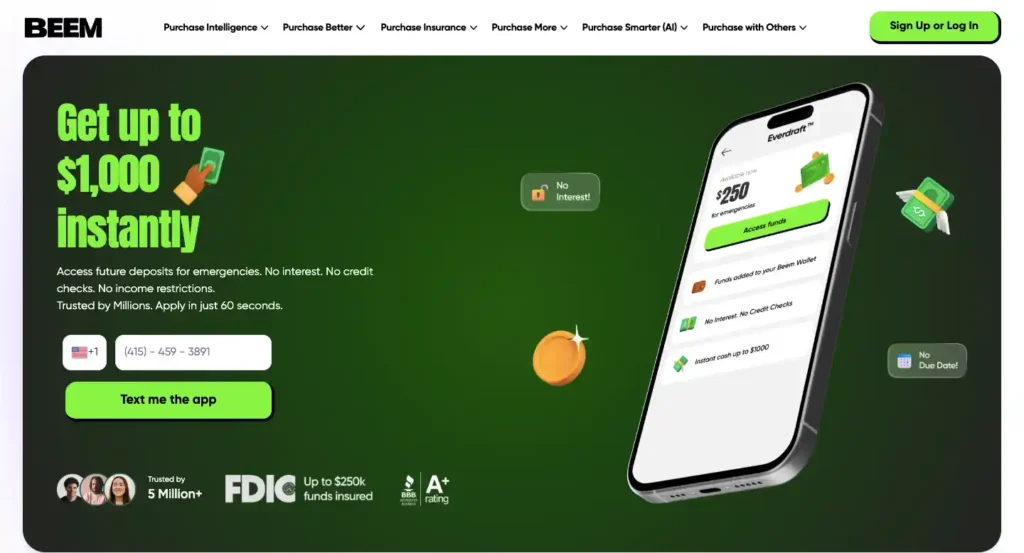
One of the most practical decisions during a disaster is whether speed matters more than cost.
If you need money immediately for evacuation, hotel, food, or transport, an instant transfer may be the right decision because the cost of waiting is higher than the cost of speed. If the expense can wait and you have enough time for a standard transfer, keeping more of your money may be the smarter choice.
This is one of the reasons Beem works well in emergencies. It gives users a real choice rather than forcing every situation down the same path. In a disaster, flexibility is not a luxury. It is part of what makes the product useful.
A Simple Disaster Use Plan With Beem
When everything feels chaotic, people need a plan that is smaller than the whole crisis. A practical Beem disaster plan looks like this:
- Use Everdraft™ for the first urgent gap.
- Keep the amount tied to essentials.
- Use the fastest transfer only when waiting would create a real risk or cause damage.
- Repay cleanly once normal income, reimbursements, or deposits resume.
- Then use the experience to stabilize the next week, not just the next hour.
That is how a short-term bridge stays a bridge.
How Beem Supports More Than The First Emergency Purchase
Natural disasters often create ripple effects after the first few days. Work may stay interrupted. Groceries may stay expensive. Transportation may stay unstable. School schedules, shifts, and normal routines may remain out of balance.
This is where Beem can remain useful after the initial emergency. Everdraft™ helps with the immediate gap, but the broader Beem ecosystem can also help users stay more organized while life is uneven. Budget awareness, spending visibility, and deal-finding become more valuable when every dollar matters more than usual.
That said, the center of this topic is still Everdraft™. During a natural disaster, the primary value is immediate cash flow support for essential needs.
People Also Read: Does Car Insurance Cover Natural Disasters
When Beem Is The Right Tool, And When It Is Only Part Of The Solution
Beem is strongest when a disaster creates a short-term cash disruption.
That could mean a delayed paycheck, a few emergency purchases, temporary housing costs, or a week where multiple needs hit before normal money flow catches up. In those moments, Beem can be exactly the right kind of tool.
If the disaster creates a much larger long-term financial crisis, then Beem is still useful, but it becomes only one part of the answer. Long-term rebuilding, insurance, aid, employer support, reimbursement timing, and household restructuring may all matter more over time. The role of Beem is to help you get through the immediate and near-term financial strain with less chaos.
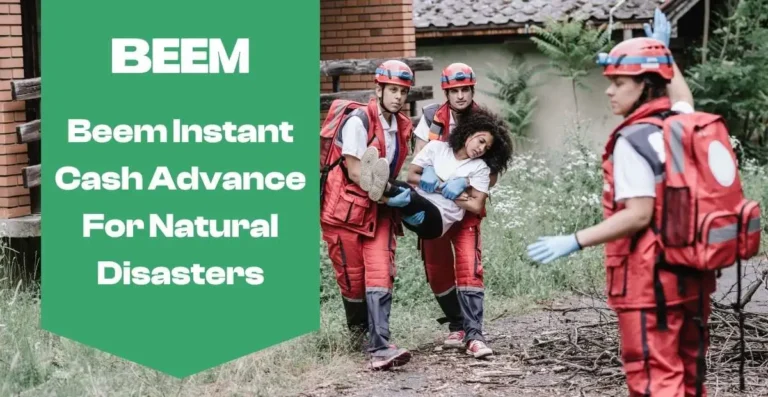
Beem Instant Cash Advance For Natural Disasters
| Disaster Situation | How Beem Helps | Best Use |
| Evacuation today | Covers urgent fuel, food, or transport gap | Use for immediate essentials |
| Power or communication disruption | Helps keep key bills or purchases active | Prioritize connection and safety |
| Hotel or temporary stay | Bridges the short housing cash gap | Solve the exact shortfall |
| Grocery and medicine restock | Covers urgent household basics | Focus on true essentials |
| Work or payroll delay after the event | Helps absorb the timing gap | Repay when deposits resume |
Conclusion
Natural disasters create financial stress quickly because they disrupt timing before anything else. Money that would normally be enough for the week suddenly is not enough for the next twelve hours.
That is where Beem can make a real difference. Everdraft™ helps users handle urgent, short-term cash gaps when essentials cannot wait, and normal income flows are disrupted. Used well, it can help cover the first stretch of instability without turning one emergency into a bigger financial spiral.
The best way to use Beem in a disaster is simple. Protect essentials first. Borrow the exact gap, not the panic. Match speed to urgency. Then let the bridge do what it is supposed to do: get you through the hardest stretch until life starts moving again.
People Also Ask
1. Can I Use Beem Instant Cash Advance During A Natural Disaster?
Yes. Natural disasters often create short-term money problems very quickly. A paycheck may be delayed, work may pause, or urgent expenses may appear all at once. If you need help covering immediate essentials while your regular money flow catches up, Beem can act as a short-term bridge during that disruption.
2. What Should I Use Beem For First In A Disaster?
Use it for the things that protect safety, stability, and basic function first. That usually means food, water, fuel, medicine, temporary shelter, emergency transportation, phone service, and other urgent essentials that you cannot realistically delay. In a disaster, the smartest use of Beem is to cover the most immediate and important gap so you can stay safe and keep moving.
3. Is Beem Meant To Cover Long-Term Disaster Recovery?
No. Beem is most helpful in the short-term stage of a disaster, when life has been disrupted, and you need quick financial breathing room. It works best for the urgent and near-term gap, the first stretch where cash timing is broken but essential needs are still real. Long-term disaster recovery is usually much bigger and may involve housing, insurance, aid, rebuilding, or income loss over time.
4. Should I Take The Maximum Available From Beem During A Disaster?
Not by default. During high-stress situations, it is natural to want as much cushion as possible. Still, the best move is to take what you actually need for the immediate problem in front of you. If the real gap is for gas, groceries, a hotel night, or medicine, solve that exact gap first.
5. Is Instant Transfer Worth It In A Disaster?
It often can be, especially when time matters as much as money. If waiting would affect your ability to evacuate, get food, secure shelter, stay connected, or handle another urgent need, paying for speed may be the right call. But if the situation is emotionally urgent but not financially urgent, and you have enough time to wait, the lower-cost route may make more sense.