

Table of Contents
Financial stress doesn’t always come from big emergencies; often, it comes from the small, daily pressures that pile up over time. Constantly checking your bank balance, worrying about upcoming bills, or feeling unsure where your money is going can drain your mental energy and make everyday life feel heavier than it should. The worst part is that these tiny stressors accumulate quietly until they feel overwhelming, even if nothing “big” has happened.
The good news? You don’t need major life changes to feel calmer and more in control. Small, simple daily habits can dramatically reduce financial stress and help you build stability one step at a time. These habits aren’t about deprivation or perfection. They’re about awareness, relief, and emotional support. And with tools like Beem helping predict shortfalls and prevent timing issues, these habits become even more powerful.
1. Start Each Morning With a Quick Money Check-In
A short, gentle financial check-in helps you begin the day with clarity instead of uncertainty.
Why It Helps
Knowing your available balance and upcoming expenses reduces surprise-related stress later in the day. It also helps eliminate the fear of the unknown, which is one of the biggest triggers of financial anxiety. This habit gives your mind more space and reduces unnecessary worry before it builds.
Additionally, starting your day with clarity keeps you from making impulsive decisions throughout the day. When you know where you stand, you move differently — with more control, calmness, and intention.
How Beem Supports This
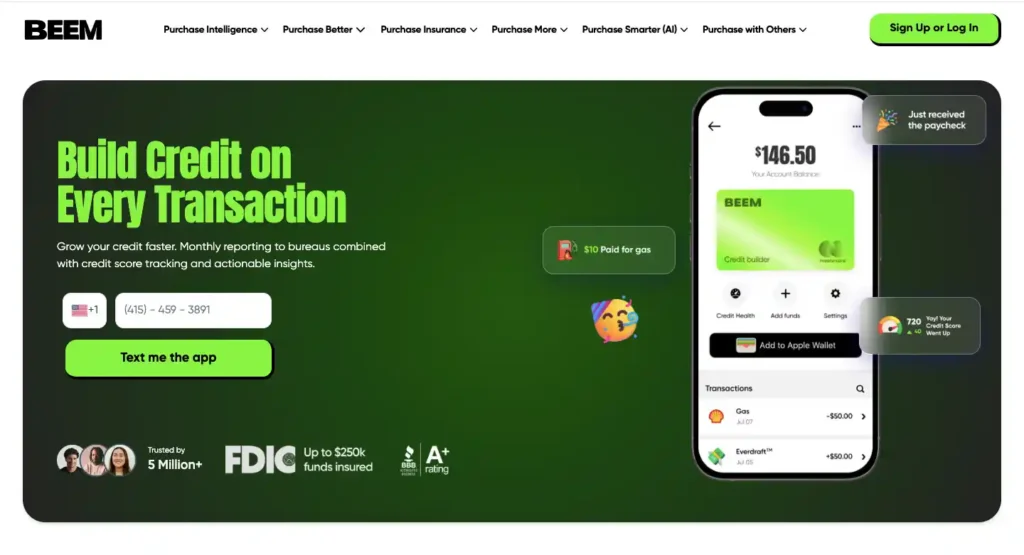
Beem’s Smart Wallet gives you a snapshot of your predicted balance, bill timing, and potential dips, making your morning check-in calming instead of scary. You’re not guessing or panicking; you’re simply staying informed.
Because Beem predicts future issues before they happen, you no longer need to carry mental calculations in your head all day. This reduces cognitive load and sets a smoother emotional baseline for the rest of your morning.
2. Practice One Small Act of Spending Awareness
You don’t need to track every penny, just paying attention to one spending moment each day can shift your habits dramatically.
Why It Helps
Awareness leads to intention. Even one moment of mindful spending can reduce impulse purchases and help you feel more in control. Over time, this creates healthier spending patterns naturally, without strict rules or spreadsheets.
This habit also helps you identify emotional spending before it happens, giving you more power to pause. When you build a mindful relationship with money, decision-making becomes calmer and more rooted in your real needs.
How to Do This Daily
Pause before you buy something and ask, “Do I actually need this today?” This tiny pause often prevents unnecessary stress later in the month.
If you choose to go ahead with the purchase, do it consciously rather than reactively; that difference alone lowers guilt and boosts confidence. The goal is not restriction but clarity.
3. Use a Daily “Money Reset” to Stay Grounded
A money reset is a simple, end-of-day mental check that clears your mind and reduces overwhelm.
Why It Helps
Financial stress often builds from cluttered thoughts, not actual numbers. A quick reset helps you end the day confidently instead of worrying in bed. It becomes a calming ritual that improves emotional well-being over time.
This practice also helps you separate your day from your finances, creating healthier emotional boundaries. It reinforces that money is a part of your life — not the whole of it.
What a Reset Looks Like
- Glance at your balance
- Review any transactions
- Note how you felt about your money today
This takes less than two minutes, but it builds incredible stability. Over time, this ritual becomes a grounding habit that helps you replace fear with understanding.
4. Identify Your Daily Spending Triggers
Everyone has emotional spending triggers, like stress, boredom, comparison, and anxiety. Learning to recognize them can dramatically lower financial stress.
Why It Helps
When you understand why you spend, you stop blaming yourself and start making empowered choices. It reduces shame, impulsivity, and emotional heaviness around money issues. Once you recognize a trigger, you gain the ability to interrupt the emotional pattern before it turns into a financial one. This emotional clarity is one of the strongest tools for long-term change.
How to Practice It Daily
Simply notice patterns. For example: “I tend to spend when I’ve had a stressful day” or “I shop online when I feel lonely.” Awareness alone can interrupt the cycle. You don’t even need to fix the trigger immediately, recognizing it is already progress. Over time, the act of noticing becomes its own form of emotional regulation.
5. Do One Small Financial Task a Day
Instead of overwhelming yourself with a full “financial overhaul,” spread tiny tasks throughout the week.
Why It Helps
Completing small tasks reduces procrastination, improves confidence, and keeps you from feeling buried. It turns money management into small, achievable victories rather than a massive chore.
These micro-tasks prevent financial buildup, things like unpaid bills or forgotten subscriptions, that often lead to larger stress later. Bit by bit, everything feels lighter.
Examples of Daily Tasks
- Cancel one unused subscription
- Organize receipts
- Update a bill reminder
- Pay one small bill
These tasks create momentum that reduces stress over time. They also help you build a sense of discipline that feels gentle rather than punishing.
Consider using Beem to spend, save, plan and protect your hard-earned money like an pro with effective financial insights and suggestions.

6. Limit the Number of Times You Check Your Money Apps
Over-checking your balance is a sign of anxiety, not control.
Why It Helps
Constant checking spikes stress levels and worsens uncertainty. Limiting check-ins helps you create boundaries around money, something your mental health desperately needs. This helps financial decisions come from clarity, not panic.
Instead of reacting emotionally every time you see your balance dip, you learn to approach your money with patience and strategy. This shift alone improves your sense of stability.
How Beem Helps
Because Beem predicts your future balance and timing issues, you don’t need to check your account obsessively. You can trust the alerts to notify you when something important is coming. This reduces the emotional roller coaster of constant app-refreshing and allows you to think clearly before acting.
7. Use a Daily “Micro-Save” Habit
Saving $1, $2, or $5 a day might not seem like much, but the habit is far more powerful than the amount.
Why It Helps
Micro-saving builds momentum, confidence, and a sense of capability. Even a tiny cushion reduces emotional stress and replaces fear with progress. Over time, these small amounts grow into a meaningful buffer. This habit shifts your internal narrative from “I can’t save” to “I’m capable of saving,” which is critical for long-term stability. It nurtures consistency without pressure.
A Powerful Psychological Lift
You show yourself that saving is possible, even on the tightest weeks. That shift alone reduces anxiety. This daily win accumulates emotionally; you begin seeing yourself as someone who is building, not struggling.
8. Celebrate One Financial Win Each Day
This habit is essential, especially if you live paycheck to paycheck.
Why It Helps
Celebrating wins rewires your mindset from scarcity to empowerment. Financial stress often makes people feel like they’re failing, even when they’re doing their best. Noticing wins helps you feel strong and capable again.
Acknowledgment also encourages repeat behavior. When your brain feels rewarded, it naturally wants to make more positive financial decisions.
Examples of Wins
- You skipped an unnecessary purchase
- You paid a bill on time
- You stuck to your plan
- You chose a cheaper option
Every win counts. These wins are emotional stabilizers, reminders that progress is happening even if the journey is slow.
Read: How to Choose Between College Savings Options?
9. Spend 2 Minutes Visualizing a Calm Financial Month
Visualization may sound simple, but it’s one of the most effective cognitive tools for reducing stress.
Why It Helps
When you imagine calm financial stability, even briefly, your nervous system relaxes. You begin to approach money with clarity rather than fear. This helps reduce panic and improve long-term decision-making. Visualization also helps retrain your brain to see stability as possible, which strengthens your belief in your ability to achieve it.
What to Visualize
Picture a month where everything runs smoothly, bills align with paychecks, and you feel in control. Your brain responds to this imagery in real, measurable ways.
This daily practice grounds your emotions before they escalate, helping you move through financial stress with more confidence.
10. Use Beem’s Predictive Tools as Your Daily Safety Net
This habit ties everything together.
Why It Helps
Financial stress thrives in uncertainty. Beem eliminates much of that uncertainty by predicting upcoming shortfalls, showing future cash flow, and warning you before bills cluster. Instead of reacting, you can prepare calmly, the most powerful habit of all.
This reduces the emotional load you carry throughout the month, allowing you to spend less time worrying and more time living.
Features That Reduce Daily Stress
- Smart Wallet for future balance prediction
- Everdraft™ for interest-free emergency support
- Alerts that prevent surprises
- Credit building that strengthens long-term security
These tools reduce cognitive load and give you a sense of predictability in a world that often feels financially chaotic. With Beem supporting your daily habits, stress becomes easier to manage and much less overwhelming.
Small Habits Create Big Emotional Relief
Financial stress doesn’t disappear overnight, but your daily habits determine how manageable it feels. Even simple actions can reduce anxiety, strengthen self-confidence, and create stability. When paired with the Beem app’s predictive tools and instant cash support, these habits become even more effective.
Your financial month doesn’t have to feel like a roller coaster. With clarity, small wins, and supportive tools, you can build a calmer, more confident relationship with money, one day at a time.
FAQs on Habits That Can Reduce Financial Stress
How can daily habits actually reduce financial stress?
Daily habits create routine, intention, and small wins: all of which reduce uncertainty, the biggest cause of financial stress. Over time, these habits strengthen emotional resilience, help you make clearer financial decisions, and prevent panic-driven spending. Small actions compound into major improvements, especially when supported by the right tools.
What if I’m too overwhelmed to start new habits?
Start with the smallest possible step: a 30-second morning check-in, a micro-save of $1, or celebrating one tiny win. These habits don’t require perfection. You’ll feel calmer and more in control as your confidence grows, especially when supported by tools like Beem’s Smart Wallet and Instant Cash. Once small habits feel comfortable, bigger financial changes become easier and less intimidating.
How does Beem help reduce financial stress on a daily basis?
The Beem app reduces uncertainty by predicting low-balance days, showing future cash flow, preventing overdrafts, and offering interest-free Everdraft™ support when timing gaps occur. This gives you emotional breathing room, stabilizes your month, and makes daily habits easier to maintain, all without judgment or complexity. Over time, Beem’s support helps transform your entire financial rhythm.