
Table of Contents
Living paycheck to paycheck isn’t just a financial experience; it’s an emotional one. It’s waking up with a knot in your stomach, wondering if your account balance will stretch until Friday. It’s the constant mental math in the grocery aisle. It’s the guilt when you spend money on anything that isn’t a necessity, even if it brings you joy. It’s the exhaustion of feeling like one unexpected expense could unravel everything you’ve worked so hard to keep together.
Millions of Americans experience this reality every day, and yet the emotional burden is rarely talked about. The stress, anxiety, shame, and pressure can compound over time, impacting mental health, relationships, work performance, and even physical well-being.
This blog explores why the emotional toll is so heavy, how it affects different parts of daily life, and what you can do to cope, even when financial flexibility feels limited. And throughout, we’ll look at how tools like Beem can support you through the unpredictability and reduce the emotional weight you carry.
Why Living Paycheck to Paycheck Is Emotionally Exhausting
Living paycheck to paycheck creates an ongoing state of alertness. You’re constantly monitoring, adjusting, and worrying. It’s not just about lacking money; it’s about lacking security, predictability, and room to breathe.
The Constant Fear of the Unexpected
When you don’t have savings or financial buffers, every unexpected cost feels like a crisis. A school email about a field trip, a car noise, or a medical bill can trigger anxiety because you know your budget has no space. This fear lingers even on “good days,” because stability feels temporary.
Decision Fatigue From Endless Micro-Choices
People living paycheck to paycheck make dozens of small money decisions every day: Should I wait to buy groceries? Can this bill be delayed? Do I have enough gas for work? These decisions drain your energy, lowering your capacity for long-term planning. It’s emotional labor that never lets up.
Feeling Behind Even When You’re Doing Everything Right
There’s a misconception that people living paycheck to paycheck are irresponsible, but this couldn’t be further from the truth. Most people in this situation budget carefully, pay bills on time, and stretch their money creatively. Feeling like you’re always struggling despite your best efforts creates emotional heaviness that’s hard to shake.
The Hidden Mental Health Impacts of Financial Stress
Financial stress is not just stressful; it’s psychologically consuming. It affects how you think, feel, and engage with the world.
Anxiety Becomes a Constant Background Noise
Money worries don’t stay in your bank account; they follow you into your sleep, your relationships, and your workday. The uncertainty of whether you’ll make it to payday creates a persistent anxious state that can feel impossible to turn off. Here’s more on The Road to Financial Freedom: Escaping the Paycheck Trap with AI
Shame and Isolation Can Make You Withdraw
Talking about money feels uncomfortable for many people. When you’re struggling, that discomfort becomes shame. Shame makes people hide their situation from friends and family, creating emotional isolation that deepens stress. It becomes easier to feel like you’re the only one going through this, even though millions share the same struggle.
Your Brain Goes Into Survival Mode
When stress levels stay high over time, your brain shifts from long-term thinking to immediate survival mode. This makes decisions harder, planning difficult, and self-criticism more intense. It’s not a personal flaw. It’s a natural response to chronic stress.
How Living Paycheck to Paycheck Affects Your Relationships
Money is one of the biggest sources of tension in families and relationships. Living paycheck to paycheck amplifies that tension in subtle and visible ways.
Communication Becomes Emotionally Charged
When every dollar matters, even simple financial conversations can feel like arguments waiting to happen. Partners may worry about being blamed for expenses or may hide spending out of fear of conflict.
Parents Carry Silent Emotional Burdens
Parents living paycheck to paycheck often carry guilt when they can’t say yes to their children’s requests, even small ones. They feel pressure to protect their kids from financial stress while experiencing it deeply themselves.
Social Life Shrinks, Causing More Emotional Distance
Declining invitations, skipping events, or avoiding outings becomes common when money is tight. Over time, this can disconnect you from friends and reduce your sense of belonging, even when you want to stay connected.
The Physical Toll: How Money Stress Shows Up in Your Body
Financial stress doesn’t just live in your mind. It affects your body too.
Sleep Problems Are Extremely Common
Money-related worry is one of the top causes of insomnia and poor sleep quality. When your brain is busy calculating expenses, your body can’t relax.
Chronic Stress Leads to Exhaustion
Headaches, muscle tension, and fatigue become normal when you’re constantly worried about finances. This type of stress wears you down slowly, making daily tasks feel heavier.
Your Body Stays in “Fight or Flight” Mode
This biological state is meant for short-term threats, not ongoing financial stress. Prolonged activation can weaken your immune system and impact long-term health.
How to Cope With the Emotional Toll When Money Is Tight
You may not be able to change your financial situation overnight, but you can change how supported, prepared, and emotionally balanced you feel. Coping doesn’t mean ignoring the stress. It means building systems that make your life easier to manage.
1. Create a Predictable Financial Routine
Predictability reduces anxiety. When you know what’s coming, your brain shifts from survival mode to planning mode.
Start With Small Money Check-Ins
Instead of avoiding your account, check in once or twice a week. Short, nonjudgmental check-ins reduce the shock factor and help you stay grounded. Over time, this builds confidence rather than fear.
Use Tools That Increase Clarity
Apps like Beem’s Smart Wallet give you visibility into upcoming bills, potential cash shortages, and spending categories. Predictability lowers emotional pressure because you’re not blindsided.
2. Shift Your Focus From Perfection to Progress
Many people feel shame when they can’t save consistently or stick to a strict budget. But perfection isn’t realistic when every dollar matters.
Celebrate Small Wins
Saving $5, avoiding an overdraft, or making it through a week without borrowing are victories. Progress builds resilience.
Be Kind to Yourself
Your financial situation is shaped by many external factors, like rising costs, unpredictable expenses, and wage structures, not just your choices. Self-compassion reduces emotional weight.
3. Build Emotional Safety Nets Alongside Financial Ones
Financial safety nets matter, but emotional ones do too.
Talk to Someone You Trust
Sharing your worries with someone supportive, like a partner, friend, or sibling, can lighten the mental load. Bottling everything up only intensifies stress.
Create Non-Financial Coping Rituals
Simple routines like journaling, walking, deep breathing, or taking a quiet moment for yourself can counterbalance stress. These tools help your body and mind reset, even if your financial situation doesn’t change that day.
4. Avoid High-Pressure Financial Decisions When You’re Overwhelmed
When emotions run high, judgment gets clouded, which is why payday loans feel tempting in moments of panic.
Give Yourself a Pause
If you feel yourself leaning toward a quick fix, step away for 10 minutes. Even a short pause can prevent long-term financial consequences.
Choose Tools That Support, Not Punish
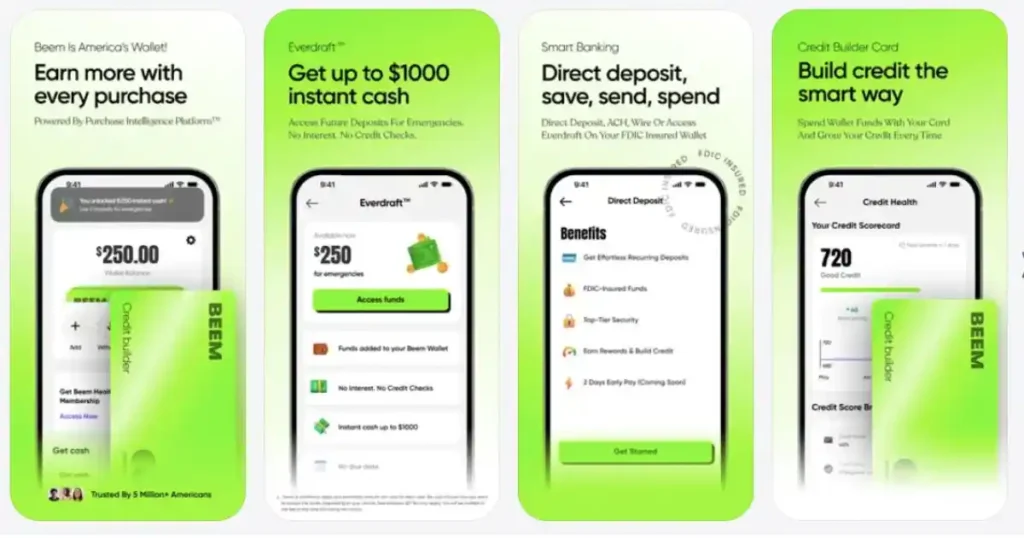
Beem’s Everdraft™ offers interest-free instant cash, giving you breathing room without emotional pressure or financial harm. It lets you handle emergencies without feeling trapped.

5. Build Micro-Savings Without Pressure
Traditional saving advice often feels unrealistic when you’re living paycheck to paycheck. But saving small amounts can still help emotionally and financially.
Start With What Feels Comfortable
Even $3–$10 at a time can create a meaningful shift over months. It’s less about the amount and more about building the habit.
Why Micro-Saving Works
It builds a sense of control, even in unpredictable circumstances. And when an unexpected cost arises, you’re less likely to panic or turn to harmful loans.
6. Reduce Emotional Triggers by Rewriting Your Money Story
The stories we tell ourselves about money shape our confidence and stress levels.
Challenge Negative Thoughts
If you often think, “I can’t get ahead,” gently replace it with, “I’m doing the best I can in a difficult situation.” This doesn’t ignore reality. It reframes it with compassion.
Recognize Your Strength
Living paycheck to paycheck requires resilience, awareness, creativity, and adaptability. You’re stronger than you give yourself credit for.
How Beem Helps Lighten the Emotional Load
Beem isn’t just a financial app. It’s a support system built for real life, especially for people who face unpredictable expenses and tight cash flow. When you’re living paycheck to paycheck, the emotional burden often comes from not knowing what’s coming, from fearing overdrafts, or from feeling alone with your stress.
Beem is designed to soften those feelings by giving you tools that bring clarity, stability, and breathing room back into your daily routine. It helps shift your financial experience from reactive and stressful to calmer and more predictable, one decision at a time.
Beem’s Smart Wallet Reduces Fear of the Unknown
By predicting upcoming bills, highlighting potential shortfalls, and giving you visibility into future cash flow, Smart Wallet transforms uncertainty into clarity. Instead of guessing what your account might look like next week, you get a clear, visual understanding of your financial path, which instantly reduces the mental load.
Smart Wallet also helps you understand patterns in your spending, making it easier to anticipate tight weeks before they happen. With this kind of insight, you can plan instead of panic, and that shift alone can dramatically lower emotional stress.
Everdraft™ Gives You a Safety Net During Your Most Stressful Weeks
Instead of falling into panic borrowing, you can access up to $1,000 instantly and interest-free, something payday loans or credit cards simply don’t offer without strings attached. Everdraft™ prevents overdrafts, late fees, and other penalties that often amplify emotional stress.
It’s a safety net designed to support your well-being, not trap you in debt. Knowing this option exists can reduce day-to-day anxiety because you’re no longer relying on hope or luck to get through tough moments. You have a backup plan, and that creates space to breathe and think clearly.
Free Credit Building Supports Your Long-Term Stability
A higher credit score reduces future stress by lowering borrowing costs, improving loan access, and increasing your financial flexibility. Beem helps you build credit without taking on debt, meaning you’re strengthening your financial foundation without adding new pressure or obligations.
Over time, improved credit unlocks more affordable opportunities, from lower insurance premiums to better loan terms, all of which make life less stressful. It’s a quiet, steady form of progress that supports your emotional and financial confidence.
Your Emotional Experience Matters
Living paycheck to paycheck doesn’t just affect your wallet. It affects your heart, mind, relationships, and self-confidence. You deserve compassion, understanding, and support. You’re not failing; you’re navigating an incredibly difficult reality with strength and determination.
And you don’t have to do it alone. With the right emotional tools and supportive financial resources like Beem, you can reduce stress, find breathing room, and reclaim a sense of control even when life feels unpredictable.
You deserve stability. You deserve ease. And you deserve to feel supported, both financially and emotionally.
FAQs on Emotional Toll
How does living paycheck to paycheck affect mental health?
Living paycheck to paycheck often leads to chronic stress, anxiety, and emotional exhaustion because you’re constantly worrying about bills and unexpected expenses. Over time, this stress affects sleep, mood, and decision-making. Having support tools like Beem can reduce uncertainty and improve emotional well-being.
What are the best coping strategies when financial stress feels overwhelming?
Start by creating predictable routines, practicing micro-saving, and being kind to yourself during difficult moments. Try not to make big decisions in moments of panic, and lean on supportive tools like Beem for clarity and stability. Emotional rituals like journaling, breathing techniques, and talking to someone you trust can also reduce stress.
How can Beem help reduce the emotional toll of financial struggles?
Beem reduces stress by predicting upcoming expenses, preventing overdrafts, and offering interest-free instant cash during tough weeks. These tools help you feel more prepared and less reactive, which can significantly ease the emotional burden of living paycheck to paycheck. Over time, Beem also helps you build credit, creating long-term confidence.