

Table of Contents
Inflation is no longer a temporary economic concern, it has become a defining factor in how individuals manage money. Across the United States, rising costs of essentials such as housing, groceries, fuel, and healthcare are changing the way people approach saving, spending, and financial planning.
What worked in a low-inflation environment, passive saving, fixed budgeting, and predictable expenses, is becoming less effective. In its place, a more dynamic and intentional approach to personal finance is emerging.
Understanding how inflation is reshaping financial behavior is essential for building long-term stability.
The Shift From Static to Dynamic Financial Planning
Traditional personal finance models were built on relatively stable assumptions—consistent expenses, predictable income growth, and steady purchasing power. Inflation challenges these assumptions by introducing variability into everyday costs and long-term projections, making rigid financial plans less effective.
Budgets Are Becoming More Flexible
In an inflationary environment, expenses are no longer stable. The cost of essentials such as groceries, fuel, and utilities can change frequently, sometimes within short periods.
As a result, budgeting now requires a more adaptive approach, including:
- Revisiting budgets more regularly to reflect current prices
- Adjusting spending categories based on changing priorities
- Planning for fluctuations rather than relying on fixed estimates
This shift allows households to respond to rising costs without losing control over overall financial management.
Financial Planning Requires Continuous Reassessment
Long-term financial planning is also becoming more dynamic. Goals such as homeownership, education funding, and retirement must now account for increasing costs over time.
This means:
- Updating financial projections more frequently
- Accounting for inflation-driven changes in future expenses
- Remaining flexible in timelines and savings strategies
Because static plans may quickly become outdated, adaptability has become a core principle of effective financial planning in an inflation-driven environment.
The Changing Role of Savings
Savings remain essential, but their function is evolving.
From Growth to Stability
In the past, savings accounts could serve both as a safe place to store money and a modest way to grow it. Today, their primary role is shifting toward:
- Providing liquidity
- Acting as a financial buffer
- Supporting short-term obligations
Increased Awareness of Purchasing Power
More individuals are becoming aware that:
- A growing balance does not always mean increasing value
- Inflation can erode savings over time
This awareness is influencing how people allocate funds between short-term and long-term goals.

Spending Behavior Is Becoming More Intentional
Inflation is changing not just how much people spend, but how they make spending decisions.
Prioritization of Essential Expenses
Households are placing greater emphasis on:
The Evolution of Financial Resilience
- Housing
- Food
- Transportation
- Healthcare
Discretionary spending is becoming more selective, with greater focus on value and necessity.
Increased Focus on Cost Efficiency
Consumers are actively seeking ways to reduce costs through:
- Discounts and promotions
- Cashback and rewards programs
- Strategic timing of purchases
For example, using tools like Beem cashback on gas (3%) allows users to offset recurring expenses, improving overall cash flow over time.
The Growing Importance of Cash Flow Management
Inflation highlights a critical aspect of personal finance that is often overlooked: timing.
Timing Gaps Are More Common
As prices rise, expenses often increase before income adjusts. This creates short-term gaps where:
- Bills are due before funds are available
- Costs exceed planned budgets temporarily
These situations are not always about income insufficiency, but about timing mismatches.
Managing Short-Term Liquidity
To maintain stability, individuals are increasingly relying on structured ways to manage these gaps.
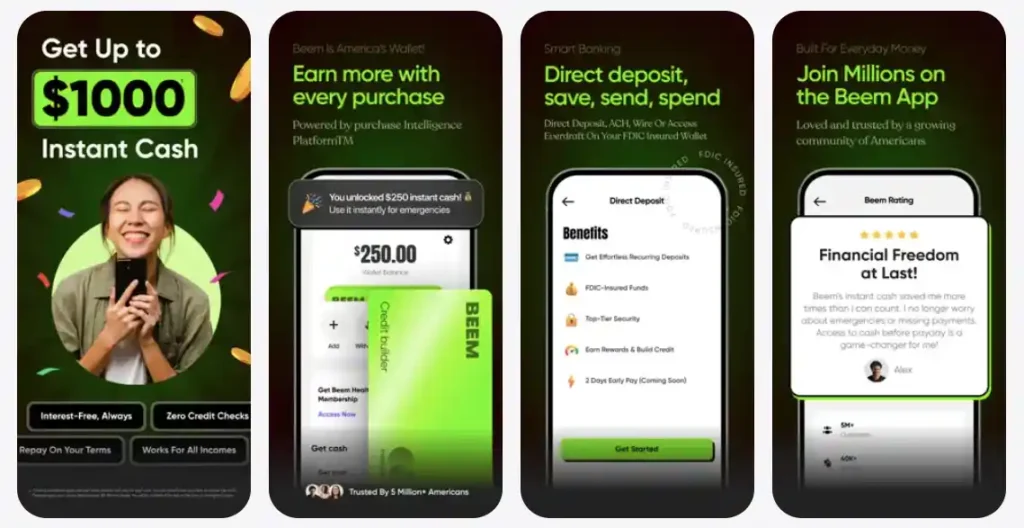
Tools like Beem’s Everdraft™ provide access to short-term funds without interest or credit checks. When used responsibly, they help bridge timing gaps without creating long-term financial pressure.
Inflation is shifting the focus of personal finance from optimizing returns to building resilience. In a more volatile economic environment, the ability to absorb shocks and adapt to changing costs has become more important than maximizing growth alone.
Building Buffers Over Maximizing Returns
Traditionally, financial strategies emphasized growth, maximizing returns through savings and investments. While growth remains important, there is now a stronger emphasis on maintaining accessible financial buffers.
This includes:
- Emergency funds to cover unexpected expenses such as medical costs or urgent repairs
- Accessible reserves that can be used without disrupting long-term financial plans
- Flexible cash flow management to handle short-term fluctuations in expenses
These buffers act as a first line of defense against inflation-driven cost increases, helping households avoid reliance on high-cost borrowing or disruptive financial decisions.
Preparing for Ongoing Economic Uncertainty
Inflation has introduced greater unpredictability into everyday expenses. Costs for essentials such as food, fuel, and housing can change more frequently, making long-term planning more complex.
To manage this uncertainty, individuals are increasingly:
- Planning for variable monthly expenses rather than fixed estimates
- Maintaining financial flexibility to adjust spending when needed
- Avoiding overcommitment to high fixed costs that reduce adaptability
This shift reflects a broader move toward financial systems that can adjust in real time, rather than relying on static assumptions.
Technology Is Playing a Larger Role in Money Management
As personal finance becomes more complex, technology is playing an increasingly important role in helping individuals make informed and timely decisions.
Real-Time Tracking and Financial Visibility
Digital tools now provide immediate access to financial data, allowing users to:
- Monitor spending patterns across categories
- Track savings and account balances in real time
- Identify changes in expenses as they occur
This level of visibility enables faster decision-making and helps prevent small issues from becoming larger financial problems.
Integrated Financial Solutions for Greater Efficiency
Modern financial platforms are moving beyond single-function tools and offering integrated solutions that combine multiple features, such as:
- Payment systems for everyday transactions
- Cashback programs that reduce recurring expenses
- Short-term liquidity options to manage timing gaps
For example, tools that offer cashback on essential spending (like gas) alongside access to short-term funds can help users manage both ongoing costs and immediate needs. This integration reduces friction and supports more efficient financial management.
Beem gives you instant cashback at gas stations nationwide, plus thousands of other stores. Make your budget work harder for you. Get cash back on gas purchases.
Long-Term Financial Planning in an Inflationary World
Inflation is reshaping long-term financial planning by making future costs less predictable. As prices for housing, education, healthcare, and everyday essentials continue to rise, planning for the future requires a more proactive, flexible, and regularly updated approach.
Recalibrating Financial Expectations
Traditional financial goals are becoming more dynamic. Inflation increases the cost of achieving milestones, which means individuals may need to:
- Set higher savings targets to account for rising prices
- Extend timelines for goals such as homeownership or retirement
- Reassess plans periodically to reflect changing economic conditions
Rather than relying on fixed projections, long-term planning now requires ongoing adjustments to stay aligned with real-world costs.
Balancing Liquidity With Long-Term Value
An effective strategy involves balancing immediate financial stability with long-term value preservation. This includes:
- Maintaining liquid funds for short-term needs and emergencies
- Avoiding over-allocation to low-yield savings that may lose value over time
- Exploring ways to protect purchasing power for long-term goals
This balance ensures that individuals remain financially secure in the present while still working toward future objectives, even in an inflation-driven environment.
Conclusion: Personal Finance Is Becoming More Adaptive
Inflation is not just increasing costs, it is reshaping how financial decisions are made.
The future of personal finance is defined by:
- Flexibility over rigidity
- Awareness over assumption
- Structure over reactive decisions
By adapting to these changes, through better cash flow management, intentional spending, and strategic use of financial tools, individuals can maintain stability even in a changing economic environment. Inflation may be unavoidable, but its impact can be managed with the right approach.
Download the Beem app to access emergency cash quickly when you need it most.
Get fast support with a simple, secure, and stress-free experience.
Frequently Asked Questions
1. How does inflation affect personal finance?
Inflation reduces purchasing power, making it more expensive to manage everyday expenses and long-term goals.
2. Why is budgeting harder during inflation?
Because costs change frequently, requiring more flexible and regularly updated budgets.
3. Are savings still important during inflation?
Yes. Savings provide stability and liquidity, even if their growth is limited.
4. What is the biggest change in personal finance due to inflation?
The shift from fixed planning to more dynamic, adaptable financial management.
5. How can I manage short-term financial gaps?
Planning cash flow, tracking expenses, and using structured short-term tools when necessary can help maintain stability.