Table of Contents
Why Experiences Matter More Than Ever
Over the last few years, the way people think about travel and leisure has changed. Experiences have taken center stage. People want memories, not just milestones. They want stories, not just savings accounts. After long periods of stress, uncertainty, and routine-heavy living, travel and leisure have become emotional outlets rather than optional luxuries.
But at the same time, the cost of living has risen. Flights are more expensive. Hotels fluctuate wildly. Even everyday leisure like dining out, concerts, or weekend getaways can quietly stretch budgets. This creates a tension many people feel but rarely say out loud: I want to enjoy life, but I don’t want money stress to follow me home.
The good news is that enjoying life does not require overspending. This is not a guide to cutting joy out of your life. It is about learning to enjoy travel, leisure, and experiences in a way that supports your financial peace rather than disrupts it.
Rethinking What “Travel and Leisure” Really Means
Leisure Isn’t Just Luxury Travel
When people hear the word “travel,” they often imagine flights, hotels, and packed itineraries. When they hear “leisure,” they think of indulgence or escape. This narrow definition is one of the biggest reasons people overspend. If enjoyment only counts when it is expensive or far away, then every meaningful break starts to feel financially risky.
In reality, leisure is simply time spent intentionally away from obligation. It can be a day trip, a local event, a creative hobby, or even a quiet rest. Travel can be short, close, and unpolished. It does not need to look impressive to be meaningful.
Micro-Experiences That Add Up
A micro-experience is a small, intentional moment that brings novelty or joy. It might be a weekend drive, a new neighborhood restaurant, a local hiking trail, or a day spent exploring your own city like a tourist. Individually, these moments may feel simple. Collectively, they create a life that feels full.
Micro-experiences are powerful because they reduce pressure. You don’t need months of planning or a large budget. You don’t need to justify the expense. And because they are easier to repeat, they often provide more consistent happiness than a single big trip once a year.
Read: Financial Safety During Travel: Protecting Cards, Phones, and Public Wi-Fi Sessions
The Psychology of Overspending on Experiences
Emotional Spending and the Escape Mentality
Overspending on experiences rarely comes from poor math. It comes from emotion. Travel and leisure are often tied to relief, reward, or escape. After a stressful period, spending on a trip can feel like self-care. Saying yes feels easier than saying no.
The problem arises when spending becomes reactive rather than intentional. When experiences are used to escape stress rather than complement life, the relief is often temporary, followed by financial regret. The experience itself may still be enjoyable, but the aftertaste lingers.
Understanding this pattern helps break it. The goal is not to stop enjoying experiences, but to stop using money as emotional anesthesia.
Social Media, FOMO, and Lifestyle Inflation
It is impossible to talk about experience spending without acknowledging social influence. Social media has turned leisure into performance. Vacations, concerts, and outings are now documented, curated, and compared.
When everyone else appears to be traveling constantly, it creates a quiet pressure to keep up. This leads to lifestyle inflation that feels invisible in the moment but obvious on your bank statement later. Recognizing that most shared experiences represent highlights rather than full financial reality makes it easier to step back and choose experiences that actually fit your life.
Planning Experiences With a Budget, Not Guilt
Why Budgeting Increases Freedom, Not Restriction
Many people avoid budgeting for travel and leisure because they associate budgets with limitations. In practice, the opposite is true. When you know what you can spend, you no longer need to second-guess every decision.
A budget does not tell you what not to enjoy. It tells you what you can enjoy fully. When the spending is planned, enjoyment feels lighter. You stop checking your balance during the trip. You stop calculating the damage afterward.
Setting Flexible Experience Budgets
Rigid budgets often fail because experiences are variable. Prices change. Opportunities arise unexpectedly. Instead of strict limits, many people find success with flexible ranges.
A flexible budget allows you to adapt while staying grounded. It provides direction without suffocation. It also encourages choice, which is where intentional enjoyment begins.
How to Prioritize Experiences That Actually Matter to You
Identifying High-Value Experiences
Not all experiences are equal. Some stay with you for years. Others fade within weeks. Learning to recognize which experiences genuinely matter to you helps redirect money toward what delivers real satisfaction.
High-value experiences usually share common traits. They align with your interests, not trends. They create connection, growth, or rest. And they feel fulfilled even without documentation. Once you identify these patterns, spending becomes easier to justify and easier to limit.
Aligning Travel With Your Life Stage
What brings joy changes over time. A spontaneous backpacking trip may feel perfect in one stage of life and exhausting in another. Family travel, solo retreats, and slow leisure all have their seasons.
Aligning experiences with your current life stage reduces friction. It also reduces the urge to overspend chasing experiences that look appealing but don’t actually fit your needs.
Smart Travel Strategies That Cut Costs Without Killing the Fun
Timing and Seasonality
One of the simplest ways to reduce travel costs is to shift timing. Off-peak and shoulder seasons often offer the same destinations with fewer crowds and lower prices. The experience itself may even be better. Timing flexibility turns travel from a financial burden into a strategic choice.
Flexibility Over Fixed Plans
Fixed destinations force fixed prices. Flexible destinations open options. When you prioritize the experience over the place, you allow cost to guide your choice rather than limit it. This mindset encourages creativity and often leads to unexpected, memorable trips.
Blending Paid and Free Experiences
Some of the most meaningful travel moments cost little or nothing. Walking tours, local markets, nature, cultural events, and unplanned exploration often leave stronger impressions than ticketed attractions. Balancing paid experiences with free ones keeps budgets intact without diminishing enjoyment.
Local Leisure: The Most Underrated Way to Enjoy Life
Rediscovering Your Own City
Many people save their curiosity for travel while overlooking what is right in front of them. Local leisure offers convenience, affordability, and spontaneity. It also removes the pressure to “make the most of it.” Exploring locally encourages regular enjoyment rather than delayed pleasure.
Staycations That Actually Feel Like a Break
A staycation works best when it is intentional. Simply staying home without changing routine rarely feels restorative. Designing rest, novelty, or exploration into local time off transforms it into a genuine experience rather than a compromise.
Read: Holiday Budgeting With Beem: Gifts, Travel, and Food Without January Regret
Experiences vs Things: Where Your Money Delivers More Happiness
Why Experiences Create Lasting Satisfaction
Research consistently shows that experiences tend to deliver more lasting happiness than things. They integrate into memory, identity, and relationships rather than sitting unused. Experiences also avoid the clutter and maintenance that often accompany purchases.
Letting Go of “Worth It” Justifications
Overspending is often rationalized with the phrase “it was worth it.” A more useful question is whether it aligned with your priorities. Alignment creates satisfaction without justification.
Creating an “Experience Fund” Without Breaking Your Budget
Small, Consistent Allocations
You don’t need large sums to build meaningful experience budgets. Small, consistent contributions reduce stress and create anticipation. Over time, they normalize enjoyment rather than making it feel like a financial event.
Separating Experience Money From Essentials
Mental separation matters. When experience money is clearly defined, spending it feels intentional rather than reckless. This psychological clarity reduces guilt and improves enjoyment.
How Budget Awareness Makes Travel More Enjoyable
Knowing Your Numbers Before You Book
Awareness removes fear. When you understand how travel spending fits into your broader finances, decisions feel lighter. You stop wondering whether you will regret it later.
Using Tools to Stay Effortless, Not Obsessive
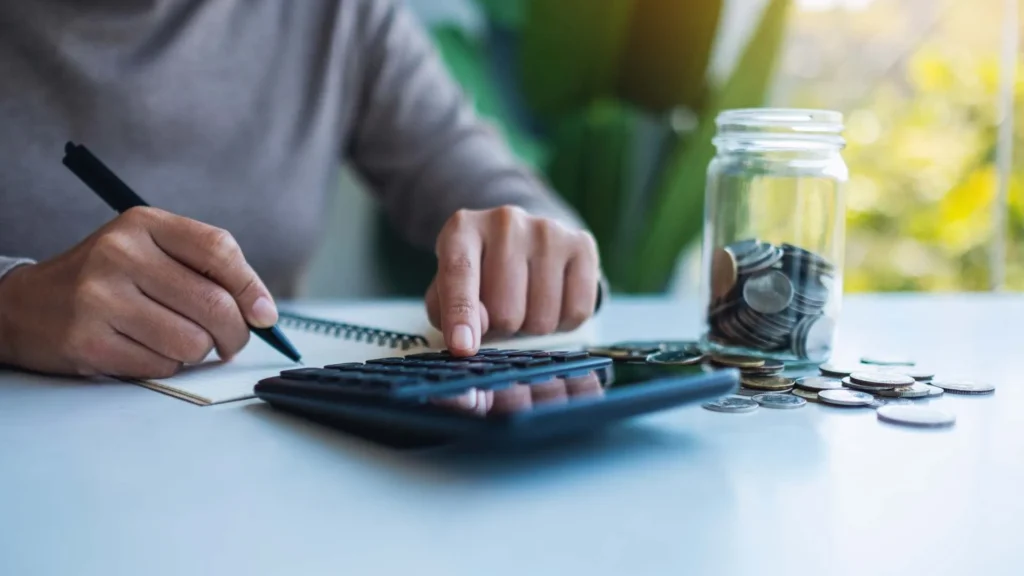
Staying aware does not require spreadsheets or constant monitoring. Tools like Beem’s BudgetGPT help people understand spending patterns, spot leaks, and plan experiences realistically, making it easier to enjoy travel and leisure without financial anxiety following them home. Download the app now!
Balancing Travel, Leisure, and Long-Term Financial Goals
Travel While Saving, Not Instead of Saving
Enjoyment and responsibility are not opposites. Many people postpone living their lives, waiting for financial perfection. Others ignore the future entirely. The healthiest approach lives in between. When travel and leisure are integrated into long-term planning, they become sustainable rather than disruptive.
Enjoying Life Without Delaying Stability
Financial stability is not built by deprivation. It is built on consistency. Enjoying life within your means reinforces healthy money habits rather than undermining them.
How to Recover Financially After a Trip Without Stress
The Post-Trip Reset Mindset
Coming home from a trip doesn’t mean you need to “make up” for enjoying yourself. There’s no need for financial punishment or extreme cutbacks. A healthy reset is about awareness, not guilt. Taking a clear look at what you spent and how it fits into your broader finances helps you regain balance without creating anxiety.
Rebuilding Buffers Smoothly
Stability returns fastest when you ease back into your normal spending rhythm rather than trying to overcorrect. Dramatic cutbacks often lead to burnout or rebound spending. Small, consistent adjustments such as pausing discretionary purchases for a short period or redirecting a little extra cash toward rebuilding buffers can quietly restore financial confidence.
The Long-Term Payoff of Intentional Experiences
Fewer Regrets, Better Memories
When experiences are chosen with intention rather than impulse, they tend to age gracefully. You remember how they made you feel, not how much they cost. Instead of second-guessing the expense months later, the memory becomes something you revisit with ease and appreciation. Intentional experiences often turn into personal stories, quiet lessons, or moments of grounding you return to when life feels busy or overwhelming.
Building a Life You Don’t Need to Escape From
The deeper goal of mindful travel and leisure isn’t to collect more trips or fill every free moment with activity. It’s to build a life that feels balanced enough that escape becomes a choice rather than a necessity. When rest, enjoyment, and meaning are woven into everyday life, travel stops being a reaction to burnout and becomes a natural extension of how you live.
FAQs
How much should I budget for travel each year?
There is no universal number that works for everyone. A helpful benchmark is an amount you can spend comfortably without using credit or cutting into essentials like rent, savings, or bills. If travel forces financial stress afterward, the budget is too high.
Can I travel while working on financial goals?
Yes, travel and financial progress are not opposites. The key is planning trips that fit your current phase rather than postponing all enjoyment. When travel is intentional and budgeted for, it often feels more rewarding and less guilt-inducing.
How do I avoid overspending during trips?
Overspending usually starts before the trip, not during it. Setting clear limits on lodging, transportation, and daily spending ahead of time reduces the need for constant restraint later. When expectations are set early, decisions on the trip feel easier.
Are staycations really fulfilling?
They can be, especially when treated as a real break rather than time filled with errands. Exploring local spots, disconnecting from routine, or trying something new nearby can provide rest and novelty without the financial pressure of travel logistics.
How do I plan group trips without financial pressure?
Early open conversations make the biggest difference. Discuss budgets, priorities, and expectations before anything is booked. When everyone is honest about limits, plans tend to be more enjoyable and far less stressful for the group.
Enjoying Life Doesn’t Have to Cost Peace of Mind
Travel, leisure, and meaningful experiences are not rewards you earn only after everything in life is perfectly sorted. They are part of what makes life feel worth building in the first place. The problem is not that people want to enjoy life. The problem is that enjoyment is often framed as something that must come at the cost of financial peace.
It doesn’t have to.
When experiences are chosen intentionally, they stop feeling like financial risks and become aligned decisions. You spend with clarity instead of impulse. You return with memories, not regret. And over time, you build a life that feels full not because it is expensive, but because it is thoughtfully lived.
Enjoying life without overspending isn’t about cutting back on joy or saying no to everything. It’s about saying yes to the experiences that truly matter and letting go of the ones that only look good on the surface. When your spending reflects your values, leisure stops being an escape from your life and becomes a natural part of it.