

Table of Contents
In recent years, instant cash advances have become an increasingly common financial tool for Americans. What was once considered a last-resort option is now being used more frequently as part of everyday money management.
This shift is not driven by a single factor. Instead, it reflects broader changes in the economy, rising living costs, evolving income patterns, and the growing need for flexible financial solutions.
Understanding why more Americans rely on instant cash advances provides insight into how personal finance itself is changing.
Rising Cost of Living Is Driving Short-Term Financial Gaps
One of the primary reasons more Americans are turning to cash advances is the steady rise in the cost of living. As essential expenses increase across multiple categories, households are more likely to experience short-term mismatches between income and required spending.
Essential Expenses Are Increasing Across Categories
Households are facing consistent cost increases in core areas such as:
- Groceries and everyday necessities
- Fuel and transportation
- Rent, mortgages, and housing-related costs
- Utilities, insurance, and healthcare
Even moderate increases across these categories can add up quickly. When several expenses rise at the same time, it can create temporary gaps in cash flow, especially between pay periods.
Income Adjustments Often Lag Behind Costs
While wages may increase over time, they typically do not adjust as quickly as living expenses. This creates a gap where:
- Costs rise in the short term
- Income catches up more gradually
These timing differences mean that even financially stable households may occasionally need short-term support to manage immediate expenses.
Cash Flow Timing Has Become a Key Financial Challenge
For many households, financial strain is less about total income and more about the timing of cash inflows and outflows.
Misalignment Between Pay Cycles and Expenses
Expenses are often due on fixed schedules that do not always align with paydays. For example:
- Rent or utility payments may be due before income is received
- Unexpected costs can arise between pay cycles
This misalignment can create temporary shortfalls, even when overall income is sufficient to cover expenses.
The Importance of Immediate Access to Funds
Traditional financial systems are not always designed to address urgent needs. Delays in transfers, approvals, or income deposits can make it difficult to respond quickly to immediate expenses.
Instant cash advances help address this issue by providing timely access to funds, allowing individuals to manage obligations without disruption when timing gaps occur.
Changing Work Patterns Are Increasing Income Variability
The way people earn income is evolving, and this shift is contributing to more irregular cash flow patterns.
Expansion of Gig and Flexible Work Models
A growing number of Americans now earn income through:
- Freelance and independent work
- Gig economy platforms
- Contract-based or project-based roles
While these arrangements offer flexibility, they often lack the consistency of traditional pay schedules.
Increased Variability in Income Timing
With less predictable pay cycles, managing expenses becomes more complex. Income may arrive at irregular intervals, and payment delays are more common.
In these situations, cash advances can serve as a short-term bridge, helping individuals manage gaps between income inflows and ongoing financial obligations.
Traditional Credit Options Are Not Always Practical
While traditional credit products remain widely available, they are not always well-suited for small, time-sensitive financial needs. Many of these options are designed for larger expenses or longer repayment periods, which can make them less effective for short-term gaps.
Credit Cards Can Extend Short-Term Needs Into Long-Term Debt
Credit cards provide immediate access to funds, but they often come with high interest rates and revolving balances. When balances are not repaid quickly, interest can accumulate, turning a small, short-term expense into a longer-term financial obligation.
This structure can make credit cards less efficient for covering temporary gaps where quick repayment is expected.
Payday Loans Often Carry Disproportionate Costs
Payday loans are designed for speed, but their fee structures can significantly increase the total repayment amount. For relatively small expenses, these costs can be disproportionate to the original need, making them less practical for short-term use.
The combination of high fees and tight repayment timelines can also create additional financial pressure.

Bank Loans Lack the Speed Required for Urgent Needs
Traditional bank loans may offer more structured terms, but they typically involve:
- Application and approval processes
- Documentation and eligibility checks
- Delayed disbursement of funds
For urgent expenses, such as fuel, groceries, or time-sensitive bills, these delays reduce their practicality. In these situations, immediate access is often more important than long-term structure.
The Rise of App-Based Financial Solutions
Advancements in financial technology have made short-term funding options more accessible, faster, and easier to use. App-based solutions are increasingly filling the gap left by traditional systems.
Faster Access With Reduced Friction
Modern financial platforms are designed to provide quick access to funds with minimal barriers. Users can:
- Access money within minutes
- Avoid lengthy approval or underwriting processes
- Manage transactions through simple, mobile-based interfaces
This speed and ease of use make these tools particularly effective for time-sensitive financial needs.
More Transparent and Cost-Controlled Structures
Many newer solutions focus on simplicity and cost clarity. Instead of complex fee structures or compounding interest, they are designed to align more closely with short-term financial use cases.
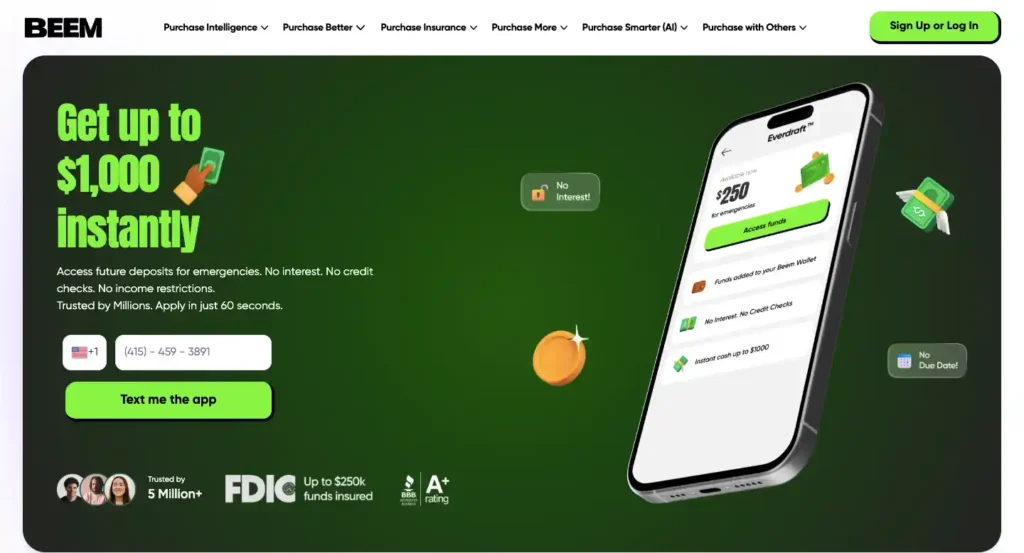
For example, tools like Beem’s Everdraft™ offer access to funds without interest or credit checks. This type of structure supports immediate needs while helping ensure that repayment remains manageable and predictable.
Shifting Financial Mindsets
The growing use of instant cash advances reflects a broader shift in how individuals approach personal finance. As economic conditions become less predictable, financial decision-making is increasingly centered on flexibility, timing, and practical utility rather than rigid structures.
From Emergency Use to Everyday Financial Management
Cash advances are no longer viewed solely as last-resort solutions. Instead, they are being used more regularly as tools for managing short-term cash flow.
This includes:
- Bridging gaps between pay cycles
- Covering essential expenses when timing does not align
- Maintaining continuity in day-to-day financial obligations
This shift indicates a move toward more adaptive financial strategies that respond to real-time needs.
Increasing Emphasis on Flexibility
In an environment where expenses can change quickly and income timing may vary, flexibility has become a key priority. Financial tools that offer immediate access and straightforward repayment structures are better aligned with these conditions.
Rather than relying on rigid systems, individuals are prioritizing solutions that allow them to adjust quickly to changing financial circumstances.
Responsible Use Is Supporting Wider Adoption
The increased reliance on cash advances is also linked to greater awareness of how to use them effectively. When applied with clear intent, these tools can support short-term stability without creating long-term financial strain.
Focus on Essential, Time-Sensitive Needs
Many users are turning to cash advances for specific, necessary expenses such as:
- Transportation and fuel
- Groceries and basic household needs
- Bills with fixed due dates
This targeted approach ensures that the funds are used where they have the highest impact, improving overall effectiveness.
Read: Employer Cash Advance Programs vs Cash Advance Apps
Alignment With Structured Repayment Practices
Responsible usage includes planning repayment in advance and aligning it with the next income cycle. This helps:
- Maintain control over future cash flow
- Prevent overlap with other financial obligations
- Avoid extended reliance on borrowing
When repayment is structured and intentional, cash advances remain a contained and manageable solution.
Conclusion: A Response to Changing Financial Realities
The rise in instant cash advance usage reflects broader shifts in both economic conditions and financial behavior. It is less about increased borrowing and more about adapting to a system where timing, flexibility, and access play a critical role.
Today, personal finance involves:
- Managing short-term timing gaps between income and expenses
- Maintaining continuity in essential spending
- Adjusting to rising and variable costs
As financial environments become more dynamic, tools that offer speed, flexibility, and cost control are becoming increasingly relevant.
When used thoughtfully and within a structured plan, instant cash advances can serve as a practical and effective way to navigate short-term financial challenges without creating long-term strain.
Download the Beem app to access emergency cash quickly when you need it most.
Get fast support with a simple, secure, and stress-free experience.
Frequently Asked Questions
1. Why are more Americans using cash advances?
Rising costs, timing gaps between income and expenses, and the need for quick access to funds are key reasons.
2. Are cash advances only for emergencies?
No. They are increasingly used for short-term cash flow management, not just emergencies.
3. How are instant cash advances different from payday loans?
They are typically faster and may offer more transparent, cost-controlled structures depending on the provider.
4. Are cash advances safe to use?
Yes, when used responsibly for short-term needs and with a clear repayment plan.
5. What is the main benefit of instant cash advances?
Immediate access to funds, helping manage timing gaps without delaying essential expenses.