
Table of Contents
At some point, wellness stopped being about feeling better and started feeling like another category you had to budget for. It didn’t happen all at once. It showed up slowly. A gym membership here. A meditation app there. Maybe a meal kit because cooking felt like too much. Then, there was a supplement someone swore by. Then, a subscription you forgot to cancel because it felt “important.”
Before long, taking care of yourself started to feel expensive. And worse, it started to feel non-negotiable. That’s where a lot of people get stuck. Wellness feels essential, but the cost of maintaining it creates stress of its own. Cutting back feels like neglecting yourself. Keeping everything feels financially irresponsible. And no one really talks about that tension.
This isn’t a guide about giving up self-care. It’s about separating what actually helps you from what looks like care — and finding ways to support your health without quietly draining your finances.
Rethinking What Self-Care Actually Means
Why Wellness Is Often Overpriced
Much of modern wellness is built on the idea that better health requires better products. More premium routines. More structure. More tools. The message is subtle but persistent: if you’re tired, stressed, or struggling, you probably just haven’t invested enough yet.
But when you look closely, many wellness trends don’t improve outcomes — they raise expectations. They add complexity where simplicity would work better. They turn basic habits into lifestyle statements.
Sleep doesn’t get better because your pillow was expensive. Movement doesn’t work better because it came with a branded app. Calm doesn’t last longer because it’s locked behind a monthly fee. Expensive wellness often sells the feeling of progress, not actual progress.
Real Care Versus Performative Wellness
Some wellness habits genuinely support your health. Others are more about signaling that you care about wellness.
Social media has blurred that line. Self-care now comes with aesthetics, routines, and productivity language. It’s supposed to look intentional, elevated, and visible.
Read: Health, Fitness, and Wellness on a Budget: Smart Spending for Self-Care
Affordable Physical Wellness Alternatives
Fitness Without Membership Fees
You don’t need a gym membership to move your body effectively. Most people already know this, but it’s easy to forget when fitness is marketed as an all-or-nothing experience.
Walking is still one of the most reliable forms of movement available. It supports physical health, mental clarity, and stress regulation without requiring equipment, scheduling, or fees.
There are also plenty of free workout resources available through libraries, community centers, and public platforms. They may not feel as polished as paid programs, but polish doesn’t determine effectiveness.
Eating Well Without Turning Groceries Into A Luxury
Healthy eating gets expensive when it becomes specialized. When every meal needs a label, a plan, or a specific ingredient, the cost climbs quickly.
But eating well doesn’t require perfection. It requires regularity.
Simple meals you know how to make. Ingredients you’ll actually use. Routines that reduce food waste instead of adding pressure.
Consistency beats “clean eating” every time. Most people don’t struggle because they’re eating the wrong foods. They struggle because eating feels complicated, exhausting, or guilt-laden.
Preventive Care That Actually Saves Money
Preventive care is one of the few areas where spending a little time can save a lot of money later. Screenings, checkups, and basic maintenance are often covered or low-cost, yet they’re easy to postpone.
Skipping preventive care doesn’t usually feel risky in the moment. The cost shows up later, when problems are harder and more expensive to address.
Mental Wellness Without Monthly Subscriptions
Free And Low-Cost Ways To Manage Stress
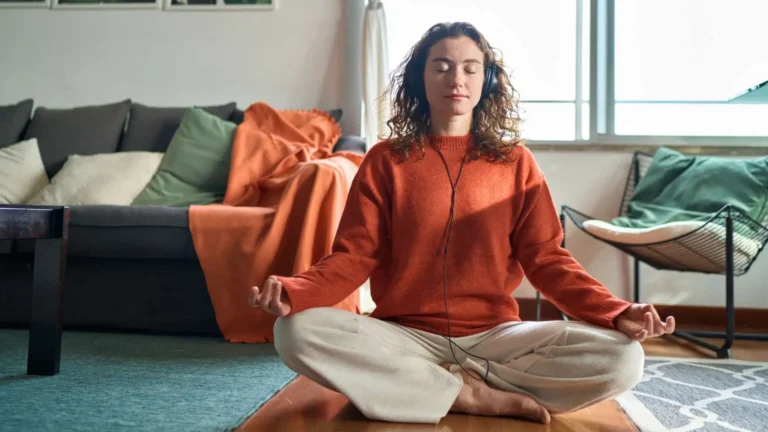
Mental wellness has been heavily monetized, but many effective tools don’t cost anything. Writing things down. Slowing your breathing. Spending quiet time without stimulation. Creating space between tasks. None of these requires subscriptions.
Public libraries are an overlooked resource here. Books, workshops, digital programs, and community events provide support without financial pressure.
What helps most is repetition. Calm builds when you return to the same grounding habits regularly, not when you keep searching for a better tool.
When Therapy Is Needed But Cost Is A Concern
Professional mental health care matters. Cost shouldn’t be the reason people go without support.
Sliding-scale clinics, community mental health centers, peer groups, and telehealth options can make care more accessible. These paths aren’t talked about enough, but they exist. Affordable care isn’t lesser care. It’s care that fits real circumstances.
Read: Traveling with Kids: Top 10 Hacks to Cut Costs
Everyday Habits That Support Wellness and Finances
Sleep as the Most Underrated Wellness Habit
Lack of sleep affects more than just energy levels. It influences patience, focus, and decision-making throughout the day, including spending decisions.
When someone is exhausted, it becomes harder to pause and think things through. People are more likely to rely on convenience, spend impulsively, or reach for quick forms of relief. Those small decisions often add up financially without being noticed at the time.
How Daily Routines Reduce Stress Spending
Stress spending is rarely about wanting more things. More often, it stems from a desire to relieve pressure, fatigue, or mental overload.
When daily routines feel chaotic, purchases can become coping tools. Food delivery replaces planning. Online shopping fills moments of overwhelm. Subscriptions provide short-term comfort during busy periods.
Simple routines help reduce that pressure. Knowing what the day ahead looks like, preparing for busy stretches, and leaving space for rest can lower the urge to spend reactively.
Wellness on a Budget Is About Subtraction, Not Sacrifice
A lot of wellness habits sound helpful on paper, but feel heavy in real life. They take up time, money, or mental energy without giving much back. Over time, those routines can start to feel like obligations rather than support.
Letting Go Of What Doesn’t Actually Help
Letting go of habits like that is not quitting on yourself. It is refining what care actually looks like for you. Taking an honest look at subscriptions, routines, or commitments helps separate what genuinely helps from what you keep doing out of guilt or expectation. If something consistently adds pressure instead of relief, it is worth questioning whether it belongs in your life.
Keeping What Truly Supports You
What tends to work best are habits that feel simple and repeatable. They do not require constant motivation or upkeep. They fit into your days naturally and support you without demanding that everything else rearrange itself around them.
How Financial Clarity Supports Emotional Well-Being
Why Money Stress Undermines Self-Care
Spending money on wellness while feeling financially stretched creates internal conflict. The calm you’re trying to buy gets canceled out by anxiety about cost.
Emotional well-being depends on a sense of safety. Financial uncertainty undermines that safety, even when spending is well-intentioned.
Staying Grounded Without Turning Wellness Into Budgeting
You do not need to track every dollar or monitor every purchase to feel in control. What helps most is having a general sense of what you can comfortably afford and where your money tends to go.
Pausing to check affordability before committing to a new routine or subscription can prevent a lot of quiet regret later. When recurring costs are visible instead of vague, the pressure around spending decisions tends to ease on its own.
Tools like Beem’s BudgetGPT can help provide that clarity by showing how recurring spending fits into your broader financial picture. The goal is not restriction or control, but helping you decide what feels sustainable for your life and your budget. Download the app now!
Conclusion
Affordable wellness is not a lesser version of self-care. For many people, it is the approach that actually lasts over time. When care fits your daily life and your budget, it becomes steadier and easier to maintain. Instead of competing with financial stability, it quietly supports it by reducing stress and creating more breathing room.
Lasting calm does not come from collecting more tools, routines, or subscriptions. It grows from alignment. Building habits that respect who you are, how you live, and what you can realistically sustain allows wellness to become a source of support rather than another demand on your time or money.
Over time, this kind of approach builds confidence. You stop questioning whether you are doing enough or spending enough to take care of yourself. Wellness becomes something that works in the background of your life, helping you stay grounded and resilient without requiring constant attention or expense.
FAQs
Can self-care really work without spending money?
Yes. Many of the most effective forms of self-care rely on consistency, rest, movement, and awareness rather than products or services. Over time, these habits feel more supportive because they fit naturally into daily life instead of requiring constant upkeep.
What wellness expenses usually drain the most money?
Recurring subscriptions, convenience spending tied to stress, and premium versions of basic habits add up quietly over time. These costs often feel justified individually, which makes them harder to notice when they start stacking up.
How do I stop feeling guilty about cutting wellness spending?
Guilt often comes from equating spending with care. Reframing self-care as support rather than consumption makes it easier to let go. Letting go of what adds pressure is often a sign of taking better care of yourself, not less.
Are free mental health resources actually useful?
They can be. Many people find meaningful support through community resources, libraries, peer groups, and free educational tools. These options may feel less polished, but they often offer consistency and accessibility that matter more over time.
How can I balance wellness goals with financial goals?
By choosing habits that support both. When care reduces stress rather than adds to it, wellness and financial stability start working together. Alignment usually feels calmer and more sustainable than trying to optimize either goal in isolation.