

Table of Contents
Liquidity sounds like a corporate finance concept, but the principle applies equally to a household budget. It means having access to cash when you need it, at the right time, without selling assets, taking on expensive debt, or disrupting the financial structures you have worked to build.
For individuals and families, short-term liquidity planning is the practice of managing the gap between when money is needed and when it arrives. It determines whether an unexpected car repair is a minor inconvenience or a cascading financial crisis.
Most personal finance advice focuses on long-term savings and investments. Short-term liquidity planning is the less glamorous but equally critical discipline that keeps everything else on track. This guide explains what it means, why it matters, and how Beem fits naturally into a personal liquidity strategy.
What Is Short-Term Liquidity Planning?
Short-term liquidity planning is the process of ensuring that cash is available to meet financial obligations as they arise, typically within days to a few weeks. It is distinct from long-term financial planning, which focuses on building wealth over years, and from emergency planning, which addresses rare, high-severity events.
The Difference Between Liquidity and Savings
Savings and liquidity are related but distinct. Savings refers to funds accumulated for future use. Liquidity refers to how quickly those funds can be deployed to cover an immediate need. A person can have significant retirement savings and still face a liquidity problem if those funds cannot be accessed without penalties.
Effective liquidity planning keeps accessible funds available for immediate needs, separate from longer-term savings that should not be disrupted for routine cash flow gaps.
Why Short-Term Liquidity Is a Universal Challenge
Cash flow timing mismatches are a structural feature of modern financial life, not a symptom of poor management. Bills arrive on fixed schedules. Income arrives on its own. The two rarely align perfectly, and the gaps between them are where liquidity challenges live.
For salaried employees, the gap might be days. For freelancers, it might be weeks. For benefit recipients, it might be a delayed payment. The challenge is universal. The severity varies by income structure and financial cushion.
People Also Read: How Much Can I Get From BEEM For Emergencies
Why Short-Term Liquidity Planning Matters More Than Most People Realize
The consequences of poor short-term liquidity management are immediate, concrete, and expensive, and they compound quickly if left unaddressed.
The Direct Cost of Liquidity Gaps
When a liquidity gap is not managed proactively, the default response is typically one of three expensive options: a bank overdraft at $25 to $35 per transaction, a payday loan at effective APRs that can exceed 400 percent, or a credit card cash advance at fees of three to five percent plus a cash advance APR that begins accruing immediately.
Each of these options solves the immediate cash need but incurs a financial cost that makes the next pay cycle harder to navigate.
The Cascade Effect of Unmanaged Liquidity Gaps
A single unmanaged liquidity gap rarely stays contained. A missed payment triggers a late fee. A late fee reduces the funds available for the next bill. The next bill gets paid late, triggering another late fee. A credit card minimum payment is missed, triggering a penalty rate increase. Each consequence creates the next one in a cascade that can take months to fully unwind from a single original gap of a few hundred dollars.
The Opportunity Cost of Reactive Liquidity Management
Every dollar spent on overdraft fees, payday loan charges, or credit card cash advance fees is a dollar that could have contributed to savings, debt repayment, or financial goals. For households that experience recurring liquidity gaps, the annual cost of reactive liquidity management can run into hundreds of dollars, representing a significant drag on financial progress that a proactive liquidity strategy eliminates almost entirely.
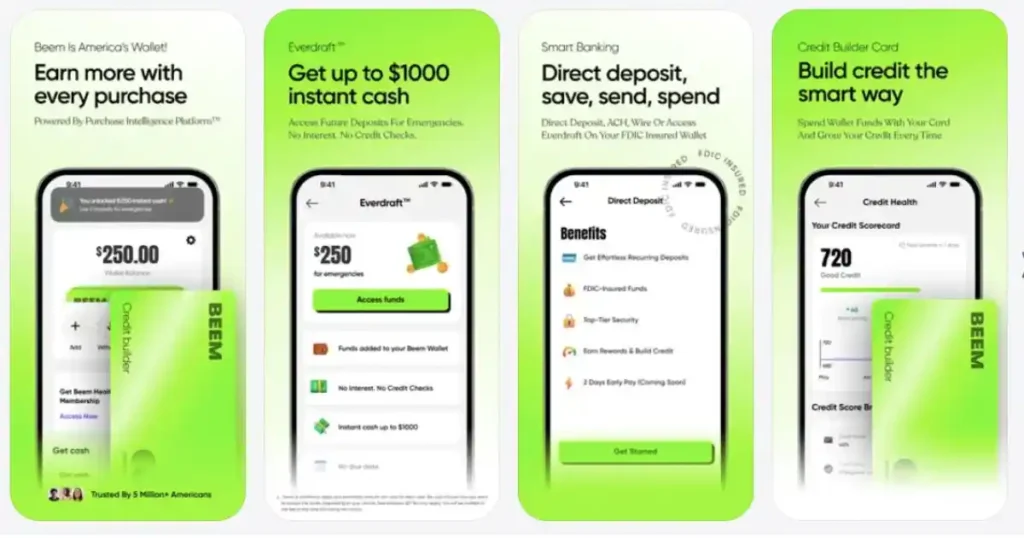
How Beem Everdraft Functions as a Personal Liquidity Facility
In corporate finance, a liquidity facility is a pre-arranged line of credit that a company can draw on quickly when short-term cash needs exceed available cash. The concept translates directly to personal finance, and Beem’s Everdraft is the most accessible personal liquidity facility available to everyday users.
Zero Cost for the Core Function
The core function of a liquidity facility is to provide cash quickly and be repaid when the timing gap resolves. Everdraft performs that function at zero mandatory cost. No interest accrues during the advance period. No mandatory fees are charged for accessing or repaying the advance.
Pre-Approved and Immediately Accessible
The value of a liquidity facility is inseparable from its accessibility. A liquidity resource that requires a lengthy application process when you need it most is not a liquidity resource.
Everdraft is pre-approved for eligible users based on their account history and income patterns, meaning that when a liquidity gap arises, accessing funds requires a few taps in the app rather than a new application, a credit check, or a waiting period.
Repayment Aligned With the Liquidity Cycle
Everdraft repayment aligns with incoming deposits, which means the advance is repaid when the timing gap it was designed to bridge naturally resolves. This alignment with the actual liquidity cycle, rather than an arbitrary repayment deadline, makes Everdraft function as a true bridge rather than a product that creates a new financial obligation on a timeline disconnected from your cash flow reality.
Scalable Through Beem Boost
A personal liquidity facility that grows with your needs is more valuable than one with a fixed ceiling. Beem Boost automatically increases Everdraft limits for users who demonstrate responsible use over time, repaying advances on time, maintaining positive account activity, and engaging with the platform’s financial tools. This scalability means that as your financial life becomes more complex, your liquidity facility grows with it.
People Also Read: BEEM Approval Process Explained
How BudgetGPT Supports Short-Term Liquidity Awareness
Liquidity awareness, the first component of an effective personal liquidity strategy, requires real-time visibility into cash flow. BudgetGPT is Beem’s AI-powered budgeting tool that provides exactly that.
Real-Time Cash Flow Visibility
BudgetGPT tracks your spending and income in real time, giving you a live view of your current cash position and your spending trajectory relative to your available funds. For liquidity management specifically, this means you can see a potential gap forming before it arrives rather than discovering it when a payment fails or an overdraft hits.
Spending Pattern Analysis
BudgetGPT analyzes your historical spending patterns to identify recurring expenses, flag unusual spending activity, and surface insights about where your money is going that you might not identify from manual review. This pattern recognition is particularly valuable for liquidity planning because it helps you anticipate upcoming expenses based on what has happened in previous pay cycles rather than relying on memory alone.
Building a Personal Liquidity Strategy With Beem: A Step-by-Step Framework
Here is a practical framework for building a personal liquidity strategy using Beem’s tools.
Step 1: Establish Your Liquidity Baseline
Use BudgetGPT to analyze your last two to three months of income and spending. Identify your average monthly income, your average essential monthly expenses, and the typical timing gap between when bills arrive and when income is deposited. This baseline gives you a precise picture of your normal liquidity position and the size of the gap that your liquidity strategy needs to handle.
Step 2: Build a Liquidity Buffer
Set a target liquidity buffer of one to two weeks of essential expenses. If your monthly essential expenses are $2,000, your liquidity buffer target is $500 to $1,000. Build this buffer by automatically transferring a fixed amount from each paycheck into a dedicated, accessible savings account until the target is reached. Once funded, treat this buffer as a financial structure to be maintained rather than a savings account to be spent.
Step 3: Set Up and Test Everdraft
Complete Beem’s Everdraft approval process and familiarize yourself with how the advance request process works before you need it urgently. Understanding the delivery timeline, the optional instant transfer, and the repayment process during a calm period means you can use the tool confidently and quickly when a genuine gap arises.
Step 4: Implement Weekly Liquidity Check-Ins
Schedule a ten-minute weekly review using BudgetGPT to assess your current balance, upcoming known expenses in the next fourteen days, and expected income within the same window. This forward-looking review is what transforms liquidity management from reactive crisis response to proactive gap prevention.
Step 5: Use Everdraft Proactively, Not Reactively
The key to using Everdraft effectively within a liquidity strategy is timing. Requesting an advance when you can see a gap forming, before your balance drops to zero, is significantly more effective than requesting one after an overdraft has already occurred or a payment has already failed. Proactive use preserves your financial stability. Reactive use recovers it.
Short-Term Liquidity Tools: A Comparison
| Tool | Cost | Speed | Repayment Flexibility | Best Use Case |
| Beem Everdraft | $0 mandatory, 0% interest | Minutes to approve | Aligned with income deposits | Planned and unplanned cash flow gaps |
| Bank Overdraft | $25 to $35 per event | Automatic | Immediate | Avoid: high cost, no planning benefit |
| Payday Loan | $15 to $30 per $100 | Same day | Fixed next payday | Avoid: extremely high effective APR |
| Credit Card | 15% to 29% APR | Immediate | Minimum monthly | Short gaps are paid within the billing cycle |
| Personal Savings | Zero cost | Immediate | No repayment required | First line of defense for all gaps |
| Personal Loan | 10% to 36% APR | Days to weeks | Fixed installments | Larger, longer-term needs only |
People Also Read: What Makes Beem Different From Payday Stores in 2026?
Common Short-Term Liquidity Mistakes and How to Avoid Them
Confusing Liquidity With Net Worth
High net worth does not guarantee good liquidity. A household with significant home equity, retirement savings, and investment accounts can still face a genuine liquidity crisis if those assets cannot be quickly converted to cash without penalties or market timing risk. Managing liquidity separately from overall wealth is a discipline that applies at every income level.
Using Long-Term Savings to Cover Short-Term Gaps
Withdrawing from retirement accounts, breaking fixed-term savings products, or liquidating investments to cover short-term cash flow gaps is one of the most expensive liquidity management mistakes a person can make. The combination of penalties, taxes, and lost compound growth makes this approach far more costly than even a payday loan in many scenarios.
Managing Liquidity Reactively Instead of Proactively
The most common liquidity management failure is simply not looking ahead. Managing a bank balance on a daily rather than a forward-looking basis means that gaps are always discovered after they have already created a problem, rather than before they arrive. The ten-minute weekly check-in using BudgetGPT is the single most effective habit change available to anyone who currently manages their finances reactively.
Final Thoughts
Short-term liquidity planning is the unglamorous but essential financial discipline that keeps everything else working. Long-term savings strategies, investment plans, and debt repayment goals all depend on a foundation of reliable short-term cash flow management. When liquidity gaps are handled proactively and affordably, financial progress accelerates. When they are handled reactively and expensively, financial progress stalls regardless of how sound the long-term strategy is.
The Beem app is built to support personal liquidity management in exactly the ways that matter most. Zero-interest Everdraft advances provide the low-cost liquidity facility that every personal financial strategy needs, but most financial products fail to deliver it affordably.
BudgetGPT provides the real-time awareness that transforms liquidity management from reactive crisis response to proactive gap prevention. Used together within a deliberate personal liquidity strategy, these tools give everyday users access to the kind of cash flow management sophistication that was previously available only to those with significant financial resources or professional financial advice.
People Also Ask
1. What is short-term liquidity planning in personal finance?
Short-term liquidity planning means ensuring you always have readily available cash to cover immediate financial obligations without disrupting savings or incurring expensive debt. It focuses on managing the timing gap between when bills are due and when income arrives, using a combination of a cash buffer, real-time spending awareness, and a low-cost liquidity facility like Beem’s Everdraft.
2. How is a liquidity buffer different from an emergency fund?
A liquidity buffer covers predictable, recurring cash flow timing gaps between income and expenses. An emergency fund covers unexpected, high-severity events like job loss or major medical costs. Both are necessary, but the buffer should be built first because cash flow gaps occur far more frequently than genuine emergencies and require faster, more accessible funds.
3. How does Beem Everdraft function as a liquidity tool?
Everdraft provides pre-approved access to up to $1,000 with zero interest and no mandatory fees, available within minutes when a cash flow gap arises. Repayment aligns with incoming deposits rather than a fixed deadline, making it a genuine bridge that resolves when the gap naturally closes rather than a product that creates a new repayment obligation mid-cycle.
4. How does BudgetGPT help with liquidity planning?
BudgetGPT tracks spending and income in real time, analyzes historical patterns, and gives you forward-looking visibility into potential cash flow gaps before they arrive. This proactive awareness is the foundation of effective liquidity planning, allowing you to act before a gap becomes a problem rather than after it already has.
5. What is the most common short-term liquidity mistake people make?
The most common mistake is managing finances reactively rather than proactively, discovering cash flow gaps after they have already created overdrafts, late fees, or missed payments, rather than anticipating them in advance. A weekly ten-minute financial review using BudgetGPT, combined with a pre-funded liquidity buffer and pre-approved Everdraft access, eliminates most reactive liquidity management.