

Table of Contents
Tax identity fraud is not just a technology problem. There is a problem of trust. The main reason the scammers win is not that the systems are vulnerable, but people are given very little time for the decision and most of them make mistakes in such states of confusion, stress, and encountering the tax process for the first time.
Tax season is just such a case, where people’s guards are down and, thus, more susceptible to manipulation.
Criminals exploit the feeling of being rushed, frightened, and having only a vague idea of how tax systems operate. They rely on emotional reactions rather than technical skills. This guide explains how tax scams operate; how identity fraud happens, and how individuals can protect themselves through awareness and consistent habits.
What Tax Identity Fraud Actually Is
Understanding what tax identity fraud means helps remove uncertainty and fear. Clear definitions make it easier to recognize real threats.
How Tax Identity Fraud Differs From Other Identity Theft
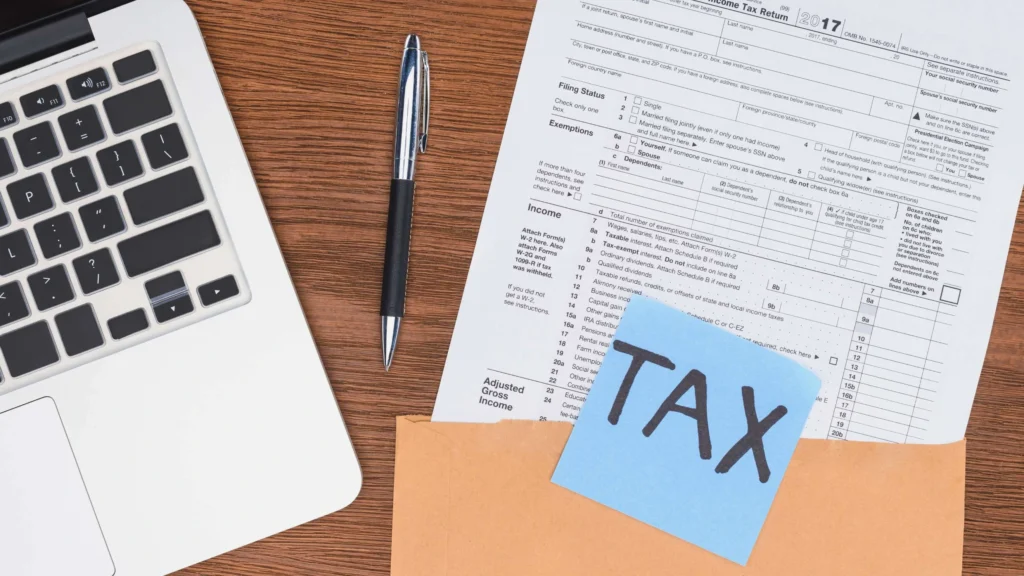
Tax identity fraud usually involves using stolen personal information to file a fraudulent tax return. The scammer’s goal is often to claim a refund before the legitimate taxpayer files.
Unlike credit card fraud or loan fraud, tax identity theft centers on government systems. Victims may not realize what happened until their own return is rejected or delayed.
Why Tax-Related Identity Fraud Is So Common
Tax season creates a massive flow of personal information. Millions of people submit income details, identification numbers, and banking information at the same time.
This high volume makes monitoring more difficult. It also gives criminals chances to insert fake reports among real ones to hide their fraud.
Common Types of IRS, Related Scams
Scammers are always inventing new ways to trick people. So, instead of learning the different examples, it is better to understand the patterns.
Fake Emails, Texts, and Notices
People receive most scams through emails, messages, or letters that look real and official. They can have the same logos, use formal language, and put bold urgent subject lines.
These messages generally ask the recipients to click on the links, download the files, or disclose personal details. The aim of the scammers is to get sensitive information.
Phone Calls Threatening Arrest or Penalties
Some scammers rely on fear. They pretend to be government agents and claim immediate legal consequences.
They may threaten arrest, wage garnishment, or account freezes. The urgency is designed to stop victims from thinking clearly.
Fake Tax Preparers and Filing Services
Not all scams come through messages or calls. Some involve individuals or services that appear legitimate.
Fraudulent preparers may promise large refunds, request unnecessary personal data, or file false returns. Victims may not discover the problem until much later.
Read: Financial Safety for Immigrants and New Americans Targeted by Scams
How Scammers Obtain Taxpayer Information
Fraud does not always begin with careless behavior. Often, information is exposed through circumstances beyond individual control.
Data Breaches and Information Leaks
Large organizations store vast amounts of personal data. When these systems are compromised, information may circulate online.
Names, identification numbers, addresses, and income details can be sold or reused by criminals. Even cautious individuals may be affected.
Social Engineering and Human Error
Many scams rely on persuasion rather than hacking. Scammers create believable stories and exploit trust.
They may pretend to be employers, officials, or service providers. Urgency and emotional pressure increase the chance of mistakes.
Red Flags That Signal a Tax Scam
Most scams share recognizable warning signs. Learning to notice patterns is more effective than learning technical rules.
Requests for Immediate Payment or Action
Urgency is a major indicator. Scammers often insist that action must be taken immediately.
They scare people off from checking and set artificial timeframes. Real officials hardly ever resort to this method.
Odd Payment Methods
Demanding money by means of gift cards, cryptocurrencies, wire transfers, or prepaid cards should immediately raise suspicion.
These means are not only difficult to keep track of but also very easily exploited by criminals. They hardly ever get used for genuine tax payments.
Unexpected Tax, Related Contact
If you receive an unexpected message about a refund, a fine, or your account, you should seriously consider the possibility of a scam.
In case you did not start a conversation, it is recommended to confirm before giving an answer. In fact, unexpected communication is most likely a signal of trouble.
How the IRS Actually Communicates
Many scams succeed because people are unsure how legitimate agencies operate. Clarifying this reduces vulnerability.
Legitimate IRS Contact Methods
Government agencies usually begin communication through official written notices sent by mail. These notices provide clear identification and explanations.
While phone contact may occur in limited situations, it typically follows prior written communication.
What the IRS Will Never Ask For
The IRS does not demand immediate payment over the phone. It does not request passwords, full banking details, or verification codes by email or text.
It also doesn’t threaten to arrest you without a court procedure. These limits help separate real messages from frauds.
Read: How to Avoid IRS Penalties and Late Fees When Filing Taxes
Securing your personal and tax information
Good protection is more about habits than about tools. Regular responsible behavior counts more than taking precautions once in a while.
Protecting paper work and digital files
Tax files hold quite a lot of personal information. Paper records must be kept in a safe place and electronic documents should be secured with robust passwords or other effective access controls.
Keeping the number of people who can get these records very low is a good way to limit the risk of losing the documents. It is also a good idea to regularly tidy up so that missing documents can be noticed quickly.
Being Careful With Information Sharing
Everyday actions can expose personal data. Sharing details on social media, responding to unknown messages, or using unsecured networks increases risk.
Being selective about where and how information is shared is essential.
Steps to Reduce Risk Before and During Tax Season
Preparation lowers vulnerability. Awareness before problems arise is the strongest defense.
Filing Early as a Preventive Measure
If you file early; you give scammers less time to submit fraudulent returns.
Once your legitimate return is processed – any fraudulent filings will most probably be disallowed.
Keeping an Eye on Tax, Related Information
Being alert to your tax notices, account activity, and filing confirmations will point out any issues at an early stage.
Early detection makes resolution faster and less stressful.

What to Do If You Suspect a Tax Scam
When something feels wrong, pausing is the most important response.
How to Respond Without Engaging
Do not reply, click links, or provide information. Avoid arguing or trying to prove legitimacy.
Disengagement limits further exposure. Verification should happen independently through trusted channels.
Why Reporting Matters
Reporting suspicious activity helps authorities track patterns and protect others.
Even if no harm occurred, reports contribute to wider prevention efforts.
What to Do If You’re a Victim of Tax Identity Fraud
Becoming a victim is not a failure. Criminals target millions of people each year. Recovery is possible.
Common Signs of Tax Identity Theft
Usually, an IRS rejects a tax return or sends a letter about a return that is not yours or a change in your refund that you did not expect is some of the warning signs.
You might also get notifications regarding accounts that you have never made. These are all signs that you should not turn a blind eye to.
How to Take Back Control
Generally, most identity recovery steps involve verifying identity, updating records and keeping an eye on the account.
A structured approach to accuracy is obtainable even though it may take some time. Thus, it is necessary to be patient and to keep documentation of everything.
How Tax Identity Fraud Affects Your Filing and Refunds
Fraud can disrupt normal filing processes, even after it is resolved.
Delays, Holds, and Verification Requests
When fraud is suspected, authorities often place holds on accounts. Additional verification may be required. Such precautions safeguard taxpayers but might delay refunds and processing.
Long, Term Impact on Tax Records
It might take months to fix the records if you were a victim of a fraud. Records must be checked and changed accordingly. The authorities might keep a close eye on you for a few more years even after the case is closed.
Common Myths About Tax Scams and Identity Fraud
False conceptions pave the way to either a misplaced sense of security or to unwarranted anxiety.
Scammers Only Target High Earners
Scammers target everyone. Low- and middle-income individuals are often easier targets. Opportunity matters more than income level.
“I Would Know Immediately If I Was Targeted”
Many victims discover fraud months later. Some scams leave no immediate signs. Delayed detection is common.
“IRS Scams Are Easy to Spot”
Some scams are obvious, but many are highly convincing. They use real information and professional language. Experience does not guarantee immunity.
Building Long-Term Awareness and Protection Habits
Lasting protection comes from mindset, not fear.
Staying Informed Without Becoming Anxious
Basic awareness is helpful. Constant worry is not. It is good to get information regularly via trustworthy sources. This is a way of building confidence, not stress.
Reviewing Financial and Tax Activity Regularly
Regular review helps identify unusual patterns early. By being consistent, it will be easier to spot the problem and faster to recover from it.
Frequently Asked Questions
How can I determine if a message from the IRS is fake?
Fake messages usually try to create a sense of hurry, ask for personal info, or suggest very strange payment methods. Real notices normally come via postal mail and have proper identification. If a message is pushing you to do something straight away, you should doubt it. Independent verification is always wise.
Does the IRS contact people by phone or email?
The IRS usually starts contact through mailed notices. Phone calls may occur later in limited situations. Emails and texts are rarely used for official matters. Unsolicited electronic messages should be treated cautiously.
What should I do if someone asks for tax payment by gift card?
This is almost always a scam. Government agencies do not accept gift cards as payment. Do not comply with the request. Disengage and report the incident.
Can tax identity fraud hold up my refund?
In fact, fraud can delay the processing because it triggers additional verification and review. These are the measures that are put in place to secure taxpayers, however, they may cause processing to be slower. Delays can last several weeks or months. If fraud is detected early, it causes less disruption.
Can I be held accountable if someone uses my information and files taxes?
Normally, victims are not obliged to take the blame for fraudulent filings. There are mechanisms in place to reconcile the accounts, and ensure the correct information is restored. However, the resolution process may take time. Prompt reporting is important.
Conclusion
Protecting yourself from tax identity fraud is more about being aware, questioning things, and always doing the right thing than it is about being afraid. Fraudsters thrive on the weaknesses created by confusion and urgency. The systems are not being overpowered.
Knowing how scams work is the best shield. People who know the signs of a scam, keep good habits, and react coolly to suspicious activities will be able to lower their risks and handle tax season with assurance and tranquility.
Check out Beem for on-point financial insights and recommendations to spend, save, plan and protect your money like an expert. Download the Beem app today.