

Table of Contents
Most of us don’t grow up learning about money in any real, structured way. That means actually understanding how money works, why it behaves the way it does and what decisions today quietly affect you years down the line.
For a lot of us, money education is accidental. You learn when something goes wrong, you overdraft your account for the first time, you miss a payment. You open a credit card and don’t quite understand why the balance doesn’t seem to go down the way you expected. That’s usually when the learning starts and by then, it’s already expensive.
There’s also this common idea that money skills are just something adults naturally pick up, but that’s not really how it works. Most people are just doing their best with what they know, repeating patterns they’ve seen and hoping nothing unexpected shows up.
And then life shows up anyway. An unexpected bill, a slow month, a timing issue where money is coming in, but not fast enough. That’s where the lack of financial education really starts to hurt not because you’re irresponsible, but because you weren’t given the tools to plan for moments like that. That’s also why tools like Beem Everdraft exist to fill in these gaps.
What Financial Education Really Means
A lot of people think financial education is just budgeting and budgeting is part of it, but it’s not the full picture. Budgeting without understanding everything else can feel frustrating, because it turns into this constant cycle of restriction without clarity. It’s understanding how your spending habits actually work, not how you think they work. It’s realizing how easy it is for small expenses to pile up without you noticing. Subscriptions, convenience purchases, things that don’t feel like real spending at the moment.
It’s also understanding saving in a realistic way. Not just you should save, but why saving feels so hard when income is tight and why even small amounts still matter. Then there’s debt. This is a big one. Financial education means understanding that not all debt is the same, but also knowing how interest quietly works against you if you’re not careful.
Credit scores fall into this too. Most people know credit scores are important, but they don’t really know why, or how everyday decisions affect them. Financial education fills in those gaps long before you actually need a loan, an apartment, or better rates. Then there’s emergency planning. Financial education teaches you that emergencies aren’t rare, they’re part of life and planning for them isn’t pessimistic, it’s practical.
Financial education helps you stop feeling surprised by money all the time.
How Skipping Financial Education Leads to Money Mistakes
What’s tricky about skipping financial education is that the mistakes don’t usually feel like mistakes, they feel normal. Everyone around you is doing the same things, so it doesn’t raise red flags.
Overspending is probably the most common example. Most people don’t overspend because they’re reckless, they overspend because they don’t have visibility. If you’re not tracking anything, it’s easy to assume you’re fine as long as bills are paid.
Credit cards are another big one. They’re convenient and they’re everywhere. A lot of people use them without really understanding how interest compounds over time. Making the minimum payment feels responsible, so balances stick around and eventually, the interest becomes the real problem, not the original purchase.
Then there’s short-term borrowing. When savings aren’t there, borrowing starts to feel like the only option. Without financial education, it’s hard to see how expensive some of these options really are. What feels like a quick fix can quietly turn into an ongoing cycle.
Living paycheck to paycheck becomes normal. Even when income increases, the pattern doesn’t always change, because there’s no structure supporting better habits. Without a system, more money just means bigger swings. None of this happens because someone is bad with money, it happens because no one explains how easily things snowball.
The Real Cost of Financial Illiteracy
The cost of financial illiteracy doesn’t usually show up as one big mistake, it shows up slowly.
A late payment here, a missed opportunity there, a credit score that’s lower than it could be, which means higher interest rates. Higher interest rates mean you pay more for the same things, which leaves less room for savings. Over time, this creates stress and stress intern affects decisions. When money feels tight all the time, it’s harder to think long-term. Everything becomes about getting through the month.
Different people feel this in different ways. Young adults might make early credit mistakes that follow them for years. Families feel it when balancing daily expenses with future goals feels impossible. First-time earners often don’t realize how long financial decisions can stick.
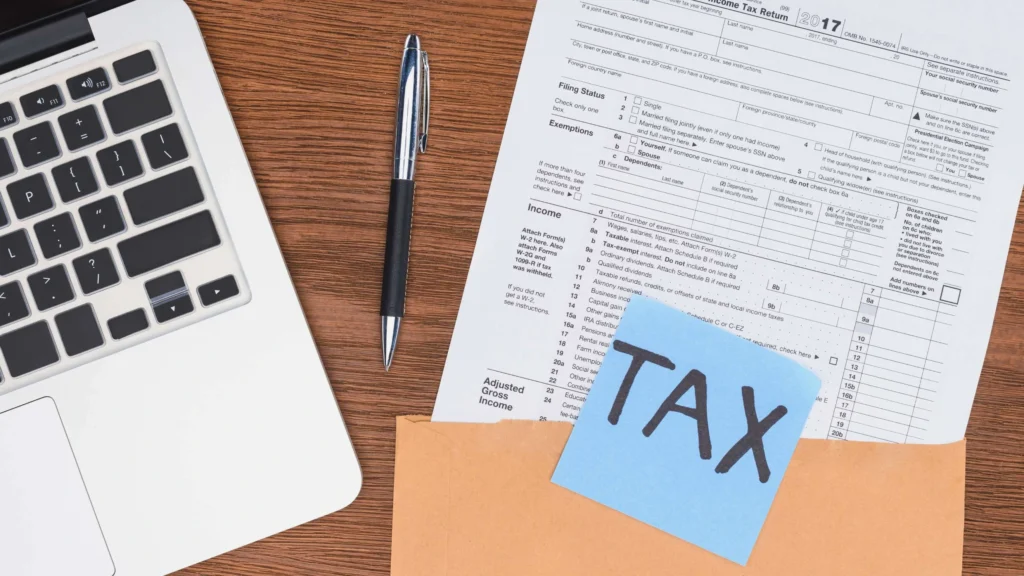
Inflation quietly erodes savings if you don’t understand it. Taxes surprise people who didn’t plan. Credit report errors go unnoticed because checking them feels intimidating. Most of the time, it’s not carelessness or it’s confusion.
Warning Signs You Might Need Better Financial Education
Some signs are loud, while others are just background noise you get used to. If you don’t really know where your money goes each month, that’s a sign. If you feel stressed before every payday, even when you’re earning that’s another. Late fees and overdraft charges usually point to timing issues and planning gaps, not laziness.
Feeling confused by loan terms, interest rates, or even subscription pricing is more common than people admit. A lot of financial products are complicated on purpose. When borrowing short-term money starts to feel normal instead of occasional, that’s often a signal that something deeper needs attention.
How Financial Awareness Builds Stability and Confidence
The good news is that even a little financial awareness changes things. Once you understand how interest works, high-interest debt becomes easier to avoid. Once you see where your money actually goes, budgeting stops feeling like punishment and starts feeling like information.
Planning ahead becomes less overwhelming, not perfect, but manageable. Big purchases feel less intimidating because you know what questions to ask and what tradeoffs you’re making. Savings, even small ones create breathing room. Emergencies don’t disappear, but they don’t completely knock you off balance either. Over time, habits improve and money stops feeling like this constant source of anxiety.
How Beem Everdraft Supports You While You Learn
Financial awareness doesn’t make you wealthy overnight, it gives you confidence.
Learning money skills takes time and bills don’t wait. That’s where Beem Everdraft fits in. It offers access to cash during tight moments, helping cover essentials when timing doesn’t line up. It can help you avoid overdrafts, late fees, or turning to high-cost borrowing options that create bigger problems later.
Everdraft™ by Beem is a breakthrough feature offering instant financial help during emergencies. Users can quickly access $10 to $1,000 without credit checks, income verification, or interest charges. With no hidden fees or restrictions, it empowers users to manage urgent expenses confidently and maintain control over their financial health.
Everdraft isn’t a replacement for financial education, it’s a support system, a backup while you’re learning, adjusting and building better habits. Think of it as something that helps prevent small financial bumps from turning into long-term damage, especially while you’re still figuring things out.
Practical Steps to Improve Your Financial Education
You don’t need to fix everything at once and that’s what usually backfires anyway. Start by tracking your spending for a short period. Not to judge yourself, just to see what’s actually happening. Learn the basics of credit scores and interest and under the cause and effect.
Create a budget that reflects real life, not an ideal version of it. Build a small emergency fund, even if it’s slow, start looking for gradual ways to improve income or skills over time. Financial tools play an important role, use tools that make things clearer, not more stressful.
FAQs
Why is financial education important today?
Money today just feels heavier than it used to. Prices go up, paychecks don’t always keep pace and most spending happens on screens, so it barely feels real. You tap, swipe, subscribe and suddenly it’s gone. Learning how money actually works helps you pause, understand what’s happening and avoid small decisions turning into long-term stress.
What are the biggest mistakes people make without financial knowledge?
Most mistakes aren’t dramatic, they’re quiet. Not budgeting because it feels annoying, using credit without understanding interest, or assuming emergencies won’t happen. Then they do. A car repair, a medical bill, a missed paycheck, without a plan, people rely on expensive credit or panic decisions.
How do I start learning about money without feeling overwhelmed?
Honestly, the trick is not trying to learn everything. Start tiny, track your spending for a few days, just to see where money goes. Learn what your credit score actually means. Use a simple budgeting app and once you understand a few basics, the fear fades and learning starts to feel practical instead of stressful.
Can Beem Everdraft help while I build financial literacy?
Yes, especially when you’re in that in-between phase. Beem Everdraft can give you quick access to cash when timing is off, without trapping you in high fees or harsh interest. It’s not meant to replace good habits, but it can prevent one short moment from becoming a bigger problem. That breathing room makes it easier to focus on learning and improving.
Why do schools not teach financial education enough?
A lot of schools are stuck with packed schedules and outdated priorities. Real-world money skills change quickly, but curriculums don’t. So things like credit, budgeting apps, or digital payments get skipped. Waiting for formal education isn’t realistic for most people, instead learning on your own becomes the practical option.
Conclusion
Skipping financial education usually isn’t a conscious choice. Most people never had the chance to learn it properly in the first place, but the impact still shows up in stress, in missed opportunities and in money problems that feel heavier than they should.
The encouraging part is that it doesn’t take a complete financial overhaul to feel better. You don’t need to understand everything about money. Even learning a few basics like how spending adds up, how interest works, why planning matters, can change how you experience your finances day to day.
Financial education doesn’t make life easy, what it does is give you options. It gives you space to pause instead of panic, to plan instead of react and while you’re building that knowledge, having backup support like Beem Everdraft can make the process less risky, helping you handle short-term challenges without falling into long-term debt.
Check out Beem for on-point financial insights and recommendations to spend, save, plan and protect your money like an expert. Download the Beem app today!