

Table of Contents
Financial uncertainty has become a major concern for American workers in 2026.
Layoffs, rising living costs, contract work, and economic instability have made many households rethink how they prepare for emergencies. More people are now asking an important question:
What actually protects you better during unemployment or income loss, emergency savings or job loss insurance?
The answer depends on financial habits, income stability, savings goals, and how prepared someone already is for unexpected disruptions.
Both emergency savings and job loss insurance can help people stay financially stable after layoffs, but they work in completely different ways. One relies on money you personally save over time. The other focuses on financial support during qualifying unemployment situations.
Understanding how both systems work can help Americans make smarter financial decisions in today’s unpredictable economy.
Why Financial Protection Matters More in 2026
The workforce has changed significantly over the last several years.
Many workers today face:
- Company restructuring
- Layoffs and downsizing
- Contract-based employment
- Gig economy income instability
- Rising healthcare costs
- Inflation-related financial pressure
Even employees with stable jobs increasingly worry about unexpected income interruptions.
At the same time, many households still struggle to build large emergency funds because everyday expenses continue increasing faster than wages.
This financial pressure explains why more consumers are exploring alternative financial protection tools such as job loss insurance, emergency financial apps, and budgeting platforms.
Financial preparedness is no longer optional for many Americans. It has become essential.
What Is Emergency Savings?
Emergency savings refers to money set aside specifically for unexpected financial situations.
Traditionally, financial experts recommend saving enough money to cover several months of living expenses, including:
- Rent or mortgage payments
- Utility bills
- Groceries
- Transportation costs
- Insurance premiums
- Medical expenses
Emergency savings provide direct financial control because the money already belongs to the account holder and can usually be accessed immediately.
This flexibility is one reason emergency funds remain one of the most recommended financial safety nets.

Benefits of Emergency Savings
Emergency savings can provide financial stability during some of life’s most unpredictable moments. Whether someone faces a sudden job loss, an unexpected medical bill, or urgent home repairs, having money set aside creates a financial cushion that can reduce stress and prevent deeper financial problems. While building savings takes time, the long-term benefits can be significant for households trying to stay financially secure.
Immediate Access to Funds
One of the biggest advantages of emergency savings is direct and immediate access to money when it is needed most. Unlike loans or credit-based products, savings do not require applications, approvals, or credit checks before funds become available.
With emergency savings, there are:
- No approval processes
- No waiting periods
- No income verification requirements
- No eligibility restrictions
This means people can usually access their money immediately when unexpected expenses appear. In urgent situations such as car repairs, medical emergencies, or overdue utility bills, fast access to cash can make a major difference.
Full Financial Flexibility
Another major benefit of emergency savings is flexibility. Savings can typically be used for any type of financial emergency without restrictions or conditions. Families can decide how to use their money based on their personal priorities and immediate needs.
Emergency savings may help cover:
- Layoffs or temporary income loss
- Medical emergencies and prescription costs
- Vehicle repairs or transportation expenses
- Family emergencies and travel costs
- Rent or mortgage payments
- Unexpected household repairs
Unlike some insurance products that only apply to specific qualifying situations, savings are not tied to a particular event. This flexibility allows households to respond quickly to a wide range of financial challenges without worrying about claim approvals or coverage limitations.
No Repayment Obligations
Emergency savings are not borrowed money, which means users do not have to worry about debt after using their funds. This can provide emotional and financial relief during already stressful situations.
With emergency savings, there are:
- No interest charges
- No repayment schedules
- No monthly installments
- No debt accumulation
- No ongoing premiums or borrowing costs
Because the money already belongs to the individual, there is no pressure to repay lenders or manage additional monthly payments after the emergency passes. This can help families recover financially without creating new financial burdens.
Reduced Dependence on High-Interest Debt
People without savings often rely on credit cards, payday loans, or other expensive borrowing options during emergencies. These solutions may provide temporary relief, but high interest rates and fees can create long-term financial strain.
Having emergency savings can reduce dependence on:
- Payday loans
- High-interest credit cards
- Overdraft fees
- Short-term borrowing apps with repayment pressure
Even a modest emergency fund can help households avoid taking on costly debt that becomes difficult to repay later.
Greater Financial Confidence
Emergency savings also provide peace of mind. Knowing there is money available for unexpected situations can reduce anxiety and help people feel more in control of their finances.
Financial emergencies are often stressful because they happen without warning. A savings cushion can help households make calmer financial decisions instead of reacting out of panic. Over time, this financial confidence can encourage better budgeting habits and stronger long-term financial planning.
Check this out: Get up to $1,000 Lump Sum if you Lose Your Job
The Biggest Problem With Emergency Savings
Although emergency savings are extremely valuable, many Americans struggle to build them consistently.
Rising living costs continue making savings difficult for households balancing:
- Rent increases
- Healthcare expenses
- Credit card debt
- Childcare costs
- Utility bills
- Inflation-related price increases
For many workers, there simply is not enough leftover income each month to save aggressively.
As a result, layoffs often happen before households have built sufficient financial reserves.
This is one reason financial protection tools beyond traditional savings are gaining popularity.
What Is Job Loss Insurance?
Job loss insurance is a type of financial protection designed to help people manage temporary income disruptions caused by involuntary unemployment.
Unlike emergency savings, job loss insurance focuses specifically on employment-related situations such as:
- Layoffs
- Company downsizing
- Workforce reductions
- Certain involuntary terminations
Depending on the provider or platform, job loss protection may help users:
- Access temporary financial support
- Reduce financial pressure after layoffs
- Cover immediate expenses
- Manage short-term cash flow gaps
In recent years, fintech platforms have started integrating job loss-related protection into broader financial wellness ecosystems.
How Job Loss Insurance Works Differently
The biggest difference between emergency savings and job loss insurance is structure.
Emergency savings rely entirely on personal financial discipline and accumulated cash reserves.
Job loss insurance focuses on financial support during qualifying unemployment events.
These are two very different approaches to financial preparedness.
Emergency Savings Are Self-Funded
With savings accounts:
- You contribute your own money over time
- Protection depends on how much you save
- Access is usually immediate
However, protection is limited to the amount available in the account.
Job Loss Insurance Is Event-Based
Job loss protection activates during qualifying unemployment situations.
Coverage often depends on:
- Eligibility requirements
- Policy conditions
- Approval processes
- Employment history
This means job loss insurance may provide targeted financial support even for people with limited savings.
Why Americans Are Using Both Strategies
Increasingly, consumers no longer view emergency savings and job loss insurance as competing options.
Instead, many households now combine both approaches.
This layered strategy reflects the reality that modern financial emergencies can become expensive very quickly.
People today often combine:
- Emergency savings
- Insurance protection
- Financial wellness apps
- Budgeting tools
- Emergency financial support platforms
This broader financial strategy creates more flexibility during uncertain periods.
Emergency Savings Can Disappear Faster Than Expected
Many people assume emergency savings will last longer than they actually do.
In reality, unemployment often creates multiple financial pressures at the same time.
Workers may suddenly face:
- Healthcare costs
- Insurance payments
- Increased credit card usage
- Job search expenses
- Family-related financial obligations
- Rising debt balances
Without careful budgeting, savings accounts can shrink rapidly.
This becomes especially difficult during long unemployment periods.
Why Job Loss Protection Is Growing in Popularity
Modern consumers increasingly want financial systems that adapt quickly during emergencies.
Traditional financial institutions often involve:
- Long approval timelines
- Extensive paperwork
- Strict qualification requirements
- Delayed access to funds
Fintech platforms have changed those expectations by offering:
- Faster accessibility
- Mobile-first experiences
- Emergency financial flexibility
- Better financial visibility
- Simplified digital experiences
This broader shift toward digital financial wellness is one reason job loss-related protection tools continue gaining attention in 2026.
The Emotional Difference Between Savings and Insurance
Financial emergencies affect emotional well-being as much as finances.
People dealing with layoffs often experience:
- Anxiety
- Financial stress
- Fear about future bills
- Pressure supporting family members
- Uncertainty during job searches
Emergency savings can provide reassurance because users know money is immediately available.
Job loss insurance may also reduce stress by offering an additional layer of financial support during unemployment.
For many consumers, having multiple forms of protection creates greater peace of mind.
Which Option Works Better for Gig Workers?
Gig workers and freelancers face unique financial challenges because income can fluctuate regularly.
Many independent workers:
- Lack employer-sponsored benefits
- Experience inconsistent income
- Work in unpredictable markets
- Face irregular monthly earnings
For these workers, building emergency savings may take longer.
At the same time, some traditional insurance systems may not fully support non-traditional employment structures.
This is one reason many gig workers now rely on combinations of:
- Emergency savings
- Budgeting apps
- Flexible fintech tools
- Financial wellness platforms
to create stronger financial flexibility.
Read: How AI Budgeting Apps Relieve Financial Anxiety
Why Budgeting Still Matters Most
Whether someone chooses emergency savings, job loss insurance, or both, budgeting remains critical.
Financial visibility becomes especially important during unemployment.
Budgeting helps households:
- Prioritize essential expenses
- Reduce unnecessary spending
- Extend available funds
- Avoid excessive debt accumulation
Modern financial wellness platforms increasingly focus on helping users improve spending awareness during uncertain periods.
This reflects a growing shift toward more proactive financial management.
The Problem With Relying Only on Credit Cards
Many Americans still rely on credit cards during layoffs.
Unfortunately, this strategy often creates long-term financial problems because:
- Interest rates remain high
- Debt grows quickly
- Minimum payments increase over time
- Balances become harder to manage during unemployment
While credit cards may temporarily bridge financial gaps, they are usually less sustainable than savings or structured financial protection systems.
Why Financial Flexibility Matters More Than Ever
The financial landscape has changed dramatically over the past decade.
Workers increasingly value:
- Flexibility
- Faster financial access
- Emergency preparedness
- Mobile-first financial tools
- Digital financial management
This evolution is changing how Americans think about financial stability.
People no longer rely only on traditional banks or savings accounts. Many now build broader financial ecosystems designed to help them navigate uncertainty more effectively.

So, Which Protects You Better?
The best answer depends on someone’s financial situation, savings habits, and employment stability.
Emergency Savings May Be Better If:
- You already save consistently
- You want full control over your money
- You prefer immediate accessibility
- You want protection for multiple types of emergencies
Job Loss Insurance May Be Helpful If:
- You worry about layoffs or industry instability
- Building savings has been difficult
- You want additional financial protection during unemployment
- You prefer layered financial safety strategies
For many households, the strongest financial protection comes from combining both approaches instead of relying entirely on one system alone.
The Future of Financial Protection in America
Financial protection is evolving rapidly.
Consumers increasingly expect financial tools to be:
- Mobile-friendly
- Faster to access
- Easier to manage
- Flexible during emergencies
- Built around modern financial realities
The idea of relying on only one financial safety net is becoming less common.
Instead, many Americans now combine:
- Savings
- Insurance protection
- Budgeting tools
- Financial apps
- Emergency support systems
to create stronger financial resilience.
Final Thoughts
Job loss insurance and emergency savings both play valuable roles in protecting financial stability after layoffs.
Emergency savings provide direct control and immediate accessibility, while job loss protection can offer additional financial support during qualifying unemployment situations.
In 2026, the smartest financial strategy is often not choosing one over the other. It is building multiple layers of financial flexibility that help households adapt when income becomes uncertain.
As economic unpredictability continues affecting workers across the United States, financial preparedness is becoming less about a single solution and more about creating a stronger overall financial safety system.
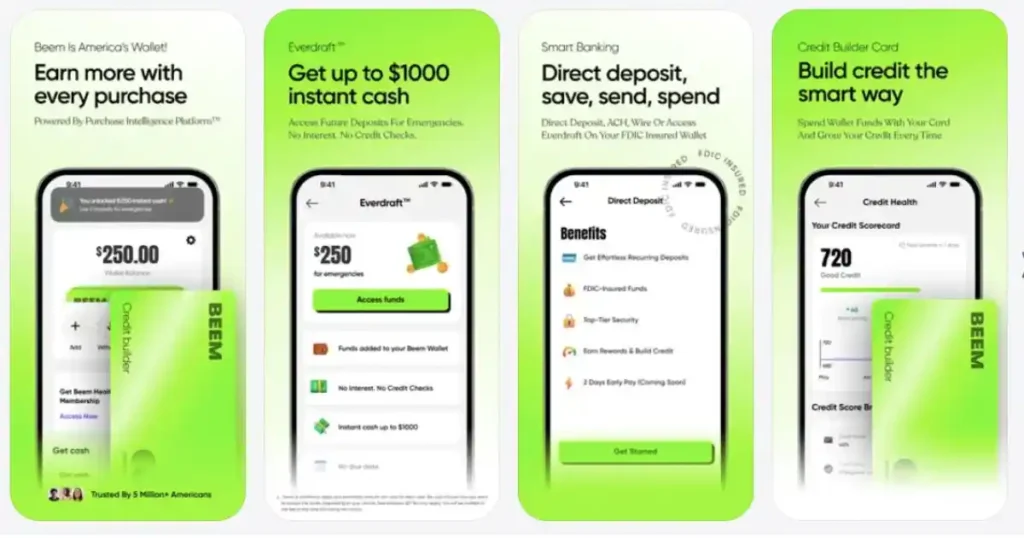
Download the Beem app to access emergency cash quickly when you need it most.
Get fast support with a simple, secure, and stress-free experience.
Frequently Asked Questions
Is emergency savings better than job loss insurance?
Emergency savings provide immediate access to your own money and can be used for any type of financial emergency. Job loss insurance is more focused on qualifying unemployment situations. Many people benefit from using both together.
How much emergency savings should I have in 2026?
Financial experts commonly recommend saving at least three to six months of essential living expenses. However, the ideal amount depends on income stability, debt levels, and household expenses.
Does job loss insurance replace unemployment benefits?
No. Job loss insurance is generally designed to supplement financial stability during unemployment rather than replace government unemployment programs entirely.
Can gig workers benefit from job loss protection?
Gig workers often benefit from flexible financial wellness tools and emergency support systems because their income may fluctuate regularly. However, eligibility for certain insurance products may vary.
Why are Americans relying more on fintech financial tools?
Consumers increasingly prefer fintech platforms because they offer faster access, mobile-friendly experiences, financial visibility, budgeting tools, and more flexible support during emergencies.
Should I rely only on credit cards during layoffs?
Relying only on credit cards can create long-term debt problems because of high interest rates and growing balances. Financial experts usually recommend combining savings, budgeting, and financial protection strategies instead.