

Table of Contents
Losing a job can create financial stress almost immediately. One day, direct deposits arrive on schedule and monthly bills feel manageable. Next, many workers suddenly face uncertainty about how they will pay rent, buy groceries, cover insurance premiums, or manage everyday expenses without a steady paycheck.
In 2026, economic uncertainty has made job security feel less predictable for millions of Americans. Layoffs across industries, changing employment trends, contract work, and rising living costs have pushed more households to rethink what financial protection really means.
Traditional emergency savings still matter, but many Americans do not have enough savings to comfortably cover several months without income. Even workers with stable salaries may struggle if income suddenly disappears.
This is one reason job loss protection tools are becoming increasingly important.
Modern fintech platforms are no longer limited to simple banking functions or payment transfers. Many now offer financial wellness ecosystems designed to help users navigate temporary unemployment, layoffs, and financial emergencies with greater flexibility and less stress.
Among these platforms, Beem has gained attention for combining emergency financial support with budgeting tools and job loss-related financial protection features designed for real-world financial challenges.
The Financial Reality of Job Loss in America
For many workers, unemployment affects far more than just missing one paycheck.
The financial pressure often begins within days because bills continue arriving regardless of employment status.
Immediate Expenses Do Not Pause
When income suddenly stops, most households still need to cover:
- Rent or mortgage payments
- Utility bills
- Groceries
- Transportation expenses
- Car insurance
- Internet and phone bills
- Credit card payments
- Healthcare costs
Many of these expenses cannot realistically be delayed for long.
This creates a difficult situation where workers may need immediate financial flexibility before unemployment benefits, severance packages, or new job opportunities arrive.
Paycheck-to-Paycheck Living Increases the Pressure
A large percentage of Americans still live paycheck to paycheck despite working full-time jobs.
That means even short-term unemployment can quickly create:
- Overdraft fees
- Late payment penalties
- Credit card debt growth
- Missed bill payments
- Financial anxiety
This is why financial flexibility tools are becoming a larger part of modern financial planning conversations.
What “Job Loss Protection” Means in Fintech
When consumers search for apps with job loss protection, they are usually not looking for traditional unemployment insurance replacements.
Instead, they want tools that help them manage short-term financial disruption more effectively.
Modern fintech job loss support often includes:
- Emergency cash access
- Temporary financial protection
- Budgeting tools
- Spending visibility
- Financial organization
- Flexible financial support
- Mobile-first convenience
Consumers increasingly want practical financial flexibility rather than complicated lending systems with aggressive repayment structures.
This shift has changed how fintech companies approach financial wellness in 2026.
Why Traditional Financial Systems Often Feel Too Slow
Traditional financial institutions can be difficult to navigate during emergencies.
Workers facing layoffs may encounter:
- Lengthy loan approval timelines
- Strict credit requirements
- Extensive paperwork
- In-person appointments
- Employer verification requests
During unemployment, these processes often feel stressful and unrealistic. Most people dealing with sudden income loss need support quickly, not several weeks later.
This is one reason fintech apps have become increasingly popular. They provide faster access, simpler experiences, and tools designed around real-life financial situations instead of rigid traditional systems.

How Beem Supports Workers During Job Loss
Beem approaches financial support differently from many traditional lenders or cash advance platforms.
Instead of focusing only on short-term borrowing, Beem combines financial wellness tools with emergency financial flexibility designed to help users navigate difficult situations more confidently.
For workers facing layoffs or temporary unemployment, this broader approach can feel significantly more practical.
Payment Guard Insurance Adds Financial Protection
One of Beem’s standout features is Payment Guard Insurance, which may provide eligible users with financial support during qualifying involuntary unemployment situations.
The feature is designed to help users manage financial stress caused by:
- Unexpected layoffs
- Income interruptions
- Disability-related work disruptions
- Temporary financial hardship
For workers suddenly facing unemployment, this type of financial support can help reduce immediate pressure while they stabilize their financial situation or search for new work opportunities.
This reflects a broader shift in fintech where consumers increasingly expect financial apps to provide more comprehensive support during emergencies.
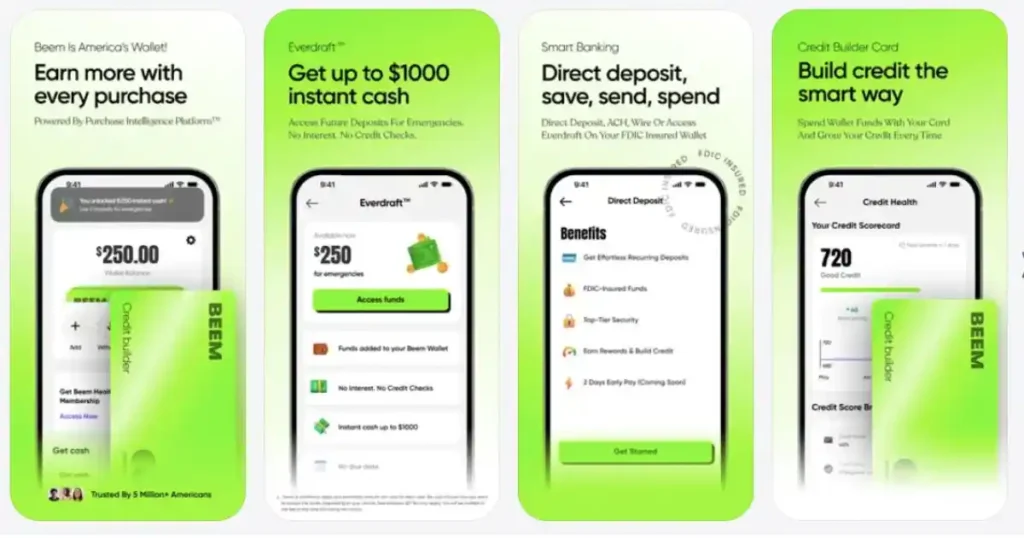
Emergency Cash Access Through Everdraft™
In addition to job loss-related protection, Beem also offers emergency cash access through Everdraft™.
This feature helps eligible users access emergency funds during temporary financial gaps or periods of reduced income.
That support may help users cover essentials such as:
- Groceries
- Utility bills
- Transportation costs
- Gas expenses
- Household necessities
- Phone and internet bills
- Everyday living expenses
During unemployment, even relatively small financial gaps can quickly become stressful.
Fast access to emergency support may help users avoid:
- Overdraft penalties
- Late fees
- Service interruptions
- Reliance on payday lenders
- Growing credit card debt
For many households, that flexibility can make a meaningful difference during uncertain periods.
Why More Americans Are Avoiding Payday Loans
For years, payday lenders marketed themselves as quick financial solutions during emergencies.
Unfortunately, these loans often create larger long-term problems through:
- Extremely high APRs
- Aggressive repayment schedules
- Hidden fees
- Debt rollover cycles
- Short repayment windows
For unemployed workers already dealing with financial stress, these structures can quickly become overwhelming.
Consumers increasingly prefer fintech platforms that focus on financial flexibility and transparency instead of predatory lending models.
Beem reflects this shift by emphasizing financial wellness and practical support instead of high-interest debt cycles.
Try the Beem Job Loss & Disability Insurance: Get Up to $1,000 Lump Sum.
Budgeting Tools Matter During Unemployment
Financial emergencies are not only about accessing money quickly. They are also about managing available funds carefully while income is uncertain.
Budgeting becomes especially important during layoffs because households often need to adjust spending priorities immediately.
Beem helps users:
- Track spending activity
- Monitor recurring expenses
- Organize bills
- Improve spending awareness
- Understand cash flow patterns
This type of financial visibility can help users make more informed decisions during periods of unemployment.
Even simple budgeting awareness can reduce stress by helping people clearly understand where money is going each month.
Financial Visibility Reduces Panic
One major challenge during unemployment is uncertainty.
Without financial visibility, people may feel overwhelmed because they do not fully understand:
- How much money remains available
- Which bills are approaching
- Which expenses are flexible
- Where spending can be reduced
Financial organization tools help reduce that uncertainty.
Instead of reacting emotionally to financial pressure, users can make clearer decisions based on actual spending patterns and available resources.
That sense of control often becomes emotionally valuable during stressful periods.
Financial Stress Impacts Mental Health Too
Job loss affects more than finances alone. Many unemployed workers experience anxiety related to:
- Supporting family members
- Paying bills
- Maintaining housing stability
- Healthcare access
- Career uncertainty
- Debt management
Financial stress can quickly become emotionally exhausting. This is one reason modern fintech platforms increasingly focus on financial wellness rather than only transactions or lending.
Better financial organization, spending visibility, and emergency support can help reduce some of the emotional pressure associated with unemployment.
Why Mobile-First Financial Support Is Growing
Consumers today expect financial tools to work quickly and conveniently from their phones.
Traditional financial systems often involve:
- Long processing times
- In-person paperwork
- Delayed approvals
- Complicated requirements
Fintech apps have changed those expectations dramatically. Modern users increasingly prefer financial platforms that are:
- Mobile-friendly
- Fast to access
- Easy to navigate
- Convenient during emergencies
- Available anytime
Beem fits naturally into this mobile-first financial wellness movement. Workers managing stressful situations often value convenience just as much as financial flexibility itself.
Financial Protection Is Evolving in 2026
Historically, financial protection mainly meant:
- Savings accounts
- Insurance policies
- Credit cards
- Traditional bank loans
Today, many consumers also rely on:
- Financial wellness apps
- Emergency cash platforms
- Budgeting tools
- Mobile-first financial ecosystems
- Digital financial support systems
This shift reflects how modern financial uncertainty has changed consumer expectations.
People increasingly want flexible tools that help them adapt quickly during emergencies rather than relying only on traditional institutions.
Other Popular Features Workers Look For in Financial Wellness Apps
Beyond job loss support, many workers also value additional features that improve everyday financial management.
Spending Tracking
Spending visibility helps users identify:
- Unnecessary subscriptions
- High recurring costs
- Areas where money leaks occur
- Opportunities to reduce spending
This awareness becomes especially useful during periods of reduced income.
Bill Monitoring
Late fees often create avoidable financial pressure.
Apps that help users monitor upcoming bills can reduce missed payments during stressful periods.
Emergency Financial Flexibility
Workers increasingly prefer tools that provide fast financial access without:
- Hard credit checks
- Lengthy applications
- Employer verification hurdles
This is especially important for gig workers, freelancers, and independent contractors.
Financial Organization
Managing multiple accounts, bills, and expenses becomes harder during unemployment.
Centralized financial organization tools help users maintain clarity during uncertain situations.
Why Beem Stands Out Among Financial Wellness Platforms
Many financial apps focus only on one specific function.
Some prioritize payments. Others focus only on borrowing or investing. Beem stands out because it combines several financial wellness features into one ecosystem.
The platform helps users:
- Access emergency cash
- Navigate temporary income disruptions
- Track spending
- Organize finances
- Monitor recurring expenses
- Reduce financial stress
- Access job loss-related protection features
This broader approach feels more aligned with how consumers actually manage financial uncertainty today.
Financial Flexibility Is Becoming Essential
The modern workforce continues changing rapidly.
More workers now face:
- Contract employment
- Freelance work
- Gig economy income
- Layoff concerns
- Economic volatility
- Rising living expenses
As a result, financial flexibility has become one of the most valuable forms of financial protection.
Workers increasingly want tools that help them:
- Adapt quickly during emergencies
- Manage temporary income gaps
- Avoid high-interest debt
- Stay financially organized
- Maintain stability during uncertainty
Fintech platforms are becoming an important part of that broader financial strategy.
How Financial Wellness Apps Complement Traditional Planning
It is important to understand that fintech tools do not replace traditional financial planning entirely. Emergency savings, insurance coverage, and responsible budgeting still matter significantly.
However, financial wellness apps can complement those strategies by helping users handle short-term financial pressure more effectively.
For many Americans, the combination of:
- Emergency savings
- Budgeting tools
- Flexible financial support
- Spending visibility
- Job loss protection features
creates a more practical financial safety net than relying on any single solution alone.
What Workers Should Consider Before Choosing a Financial App
Not all financial wellness apps are built the same way. Some focus only on quick cash access, while others offer broader tools designed to help users manage financial uncertainty more effectively over time. Before choosing a platform, workers should carefully evaluate how well the app fits their financial habits, income structure, and long-term needs.
Transparency
Transparency should always be one of the first things users evaluate before signing up for any financial platform. During financial emergencies, unclear pricing or hidden conditions can quickly create additional stress.
Workers should look for apps that clearly explain:
- Membership costs
- Advance fees
- Repayment timelines
- Eligibility requirements
- Optional expedited transfer charges
- Financial protection limitations
Understanding how the platform works upfront helps users avoid confusion later. Apps that make fee structures difficult to understand can create trust issues, especially for users already dealing with financial pressure after job loss or income disruption.
Clear communication also helps users make smarter financial decisions because they know exactly what to expect before using a service.
Financial Flexibility
Modern income patterns look very different from traditional payroll structures. Many Americans now earn income through:
- Gig work
- Freelancing
- Contract employment
- Side hustles
- Multiple part-time jobs
- Variable weekly earnings
Unfortunately, some financial apps still operate as if every user receives the same paycheck from the same employer every two weeks.
Workers should prioritize platforms that adapt well to real-world financial situations instead of rigid employment models. Financial apps that support flexible income structures tend to work better for people navigating inconsistent cash flow or changing work schedules.
This flexibility becomes especially important during periods of unemployment, temporary income loss, or career transitions where traditional employment verification may not reflect a user’s full financial picture.
Mobile Accessibility
During financial emergencies, convenience matters. Most users do not want to visit physical branches, complete lengthy paperwork, or wait days for updates when dealing with urgent financial issues.
Workers increasingly expect financial tools to function quickly and smoothly from their phones.
A strong mobile-first experience typically includes:
- Fast account access
- Simple navigation
- Quick transfer visibility
- Easy budgeting tools
- Clear transaction tracking
- Fast support access
For workers balancing busy schedules, job searches, gig work, or family responsibilities, mobile accessibility can significantly reduce financial stress.
Fintech platforms continue growing largely because they provide faster and simpler experiences compared to many traditional financial systems.
Budgeting Features
Emergency cash access can help during short-term financial gaps, but long-term financial stability usually requires stronger financial awareness and organization.
That is why budgeting features matter.
Workers should look for apps that help users:
- Track spending patterns
- Monitor recurring bills
- Organize monthly expenses
- Understand cash flow
- Improve financial visibility
- Build healthier money habits over time
These tools become especially valuable during periods of unemployment or inconsistent income because they help users prioritize essential expenses more effectively.
Even small improvements in budgeting awareness can help reduce financial stress and improve financial confidence during uncertain periods.
Overall Financial Wellness Support
The strongest financial wellness platforms usually provide more than one isolated feature.
Instead of focusing only on borrowing or emergency funding, many modern fintech apps now combine multiple tools into a broader financial ecosystem.
Workers may benefit more from platforms that offer combinations of:
- Emergency cash access
- Budgeting support
- Spending visibility
- Financial organization tools
- Income protection features
- Credit-building opportunities
- Savings support
This broader approach often feels more practical because financial challenges rarely happen in isolation.
Someone dealing with job loss, for example, may need temporary financial support, budgeting tools, spending visibility, and better expense organization all at the same time.
Apps that support overall financial wellness rather than only short-term transactions may provide more long-term value for workers navigating unpredictable financial situations in 2026.
Why Gig Workers Especially Need Financial Flexibility
Independent contractors and gig workers often lack:
- Paid sick leave
- Employer-sponsored benefits
- Consistent income guarantees
- Traditional unemployment protections
That makes flexible financial tools especially valuable for rideshare drivers, delivery workers, freelancers, and contract employees.
Apps that evaluate real deposit activity instead of relying heavily on traditional employment structures often feel more accessible for modern workers.
Final Thoughts
Job loss can create financial stress very quickly, especially for households already balancing rising living costs and limited savings.
That reality is pushing more Americans toward fintech platforms that offer emergency support, financial organization, and practical financial flexibility during uncertain periods.
Apps with job loss protection features are becoming part of a larger shift toward financial wellness-focused technology designed around real-world challenges instead of traditional financial assumptions.
Beem stands out because it combines emergency financial support, budgeting tools, spending visibility, and job loss-related protection into one accessible ecosystem.
In 2026, financial stability is no longer only about having a large savings account. It is also about having flexible financial tools that help workers adapt confidently when life becomes unpredictable.
Download the Beem app to access emergency cash quickly when you need it most.
Get fast support with a simple, secure, and stress-free experience.