

Table of Contents
Yes, Beem offers disability-related financial protection through its Payment Guard Insurance feature, designed to help eligible users during periods of job loss or temporary disability.
That matters because many Americans are financially vulnerable when unexpected health issues interrupt their income. A temporary injury, illness, surgery, or recovery period can quickly turn into a financial emergency, especially for people already living paycheck to paycheck.
Traditional disability insurance can feel expensive, slow, and complicated. Many workers either do not have employer-sponsored coverage or never enroll because the process feels overwhelming. Others assume disability insurance is only necessary for major medical emergencies, only to discover later that even a short recovery period can disrupt their finances significantly.
Beem takes a different approach by offering a simpler financial support system tied directly to its financial wellness platform.
Instead of positioning itself as a traditional insurance provider, Beem focuses on helping users manage short-term financial pressure through a combination of financial protection, emergency cash access, and budgeting tools.
Here is what users should know about Beem’s disability protection in 2026.
Why Disability Protection Matters More Than Ever
Many people underestimate how financially disruptive temporary disabilities can become.
Most workers assume they will continue earning income consistently unless a major life event occurs. In reality, relatively common situations can suddenly interrupt someone’s ability to work, including:
- Surgery recovery
- Broken bones
- Back injuries
- Serious illness
- Pregnancy complications
- Mental health treatment
- Car accidents
- Temporary mobility limitations
- Chronic health flare-ups
For hourly workers, freelancers, gig workers, and self-employed individuals, missing work often means losing income immediately.
Unlike salaried employees with generous benefits packages, many Americans do not have:
- Paid medical leave
- Employer-sponsored disability insurance
- Large emergency savings
- Reliable backup income sources
That creates a dangerous financial gap during recovery periods.
Even a few weeks without income can quickly lead to:
- Missed rent payments
- Utility shutoff risks
- Credit card debt growth
- Overdraft fees
- Delayed loan payments
- Financial stress and anxiety
This is one reason disability-related financial support tools are receiving more attention in 2026.
Consumers increasingly want flexible financial systems that help them handle temporary emergencies without immediately falling into long-term debt.
What Is Beem’s Disability Protection?
Beem’s disability protection comes through Payment Guard Insurance. Eligible users may receive up to $1,000 if they become unable to work for 30 consecutive days or more because of illness or injury.
The coverage is designed to help users manage short-term financial pressure during difficult situations.
This support may help cover essential expenses like:
- Rent or utilities
- Groceries
- Transportation
- Prescription medications
- Phone and internet bills
- Everyday household expenses
- Insurance payments
- Emergency essentials
Unlike traditional long-term disability insurance, this is not intended to fully replace someone’s salary for months or years.
Instead, the goal is to provide faster financial relief during temporary income disruptions.
For many users, this type of support may help reduce immediate financial pressure while they recover, return to work, or stabilize their financial situation.
How Beem’s Disability Coverage Works
Beem’s disability coverage is designed to provide financial support in a way that feels more streamlined and accessible than many traditional insurance systems.
Instead of requiring users to navigate multiple providers, separate policy applications, or lengthy enrollment processes, the feature is integrated into the Beem ecosystem for eligible subscribers.
The goal is to make financial protection easier to access for people who may already be managing tight budgets, inconsistent income, or financial uncertainty.
Traditional disability insurance can sometimes feel complicated, especially for users unfamiliar with insurance terminology, underwriting requirements, or long approval timelines.
Beem’s approach focuses on reducing that complexity while still offering a layer of emergency financial support.
Who Qualifies for Beem Disability Protection?
To qualify for coverage, users generally need to:
- Subscribe to Beem before the disability event occurs
- Maintain an active Everdraft™ account
- Meet the eligibility requirements for an approved claim
- Experience a qualifying disability-related work interruption
Eligibility may depend on additional terms and conditions tied to Payment Guard Insurance coverage.
Like most financial protection programs, approval is not automatic for every situation.
How Claims Work
Once a qualifying claim is approved, the benefit amount is typically deposited directly into the user’s Beem Balance.
This helps users access financial assistance faster while dealing with temporary income disruptions caused by illness, injury, or recovery periods.
The process is designed to feel more digital-first and streamlined compared to traditional insurance systems that may require extensive paperwork or prolonged waiting periods.
For users already under financial stress, faster accessibility can make a meaningful difference.
What Counts as a Covered Disability?
A covered disability generally involves a qualifying illness or injury that prevents someone from working for 30 consecutive days or more.
Examples may include:
- Surgery recovery
- Serious illness
- Injury-related work interruption
- Temporary medical disability
- Extended recovery periods after accidents
- Recovery after hospitalization
- Certain mobility-related limitations
The purpose is to help users navigate meaningful income disruptions rather than very short-term illnesses lasting only a few days.
Like most protection programs, eligibility still depends on approval requirements and policy conditions.

Why Traditional Disability Insurance Feels Difficult for Many Workers
Traditional disability insurance still plays an important role in long-term financial planning, but many consumers avoid purchasing coverage because the experience feels intimidating.
Some common concerns include:
- Expensive monthly premiums
- Complicated policy language
- Medical underwriting
- Long waiting periods
- Confusing exclusions
- Difficult claims processes
- Slow approvals
Many workers also assume disability insurance is only necessary for catastrophic injuries, even though temporary disabilities are actually more common.
Freelancers and gig workers face even bigger challenges because they often lack access to employer-sponsored benefits entirely.
As a result, millions of Americans remain financially exposed during temporary medical interruptions.
This gap has created demand for more accessible financial protection tools.
How Beem Differs From Traditional Disability Insurance
Many consumers confuse fintech protection tools with formal disability insurance, but they serve very different purposes.
Traditional Disability Insurance
Traditional disability insurance is usually designed to:
- Replace part of a person’s long-term income
- Provide recurring monthly payments
- Cover extended medical leave over months or years
- Support long-term inability to work
Policies often involve larger benefit amounts but also more complexity.
Beem’s Approach
Beem’s disability-related protection works differently.
Instead of acting as full wage replacement insurance, it focuses on:
- Short-term financial relief
- Emergency support during income interruptions
- Faster financial accessibility
- Everyday financial flexibility
- Simplified digital access
That distinction matters because Beem is not trying to replace comprehensive disability insurance policies.
Instead, it helps users handle immediate financial pressure during difficult periods.
For many households, that short-term support may help bridge critical financial gaps while larger insurance systems or employment benefits are still processing.
Why Simpler Financial Protection Appeals to Consumers
Modern consumers increasingly expect financial tools to work the same way other digital services work: quickly, clearly, and conveniently.
Traditional insurance systems often feel outdated compared to modern fintech experiences.
Many people no longer want to:
- Fill out lengthy paperwork
- Schedule in-person appointments
- Navigate confusing policy structures
- Wait weeks for updates
- Manage multiple providers separately
Beem’s approach is intentionally designed around simplicity.
The platform combines financial support, emergency cash access, and budgeting tools inside a single ecosystem that users can access directly from their phones. This mobile-first convenience strongly appeals to workers already balancing stressful situations.
Why Financial Stress Becomes Worse During Recovery
Illness or injury rarely creates only medical problems.
Financial pressure often becomes one of the biggest sources of stress during recovery periods.
People facing temporary disabilities commonly worry about:
- Paying rent
- Covering groceries
- Affording medications
- Maintaining utilities
- Paying insurance bills
- Supporting family members
- Avoiding debt accumulation
This stress can become emotionally exhausting, especially when someone is already trying to recover physically.
Financial uncertainty may also affect:
- Mental health
- Sleep quality
- Emotional stability
- Recovery focus
- Overall well-being
This is one reason financial organization tools matter during emergencies.
Beem Also Focuses on Financial Wellness
Another reason Beem stands out is that the platform offers more than just disability-related financial protection.
It also includes tools for:
- Budget tracking
- Spending visibility
- Financial organization
- Emergency cash access through Everdraft™
- Everyday expense monitoring
This broader ecosystem helps users stay financially organized during uncertain periods.
For example, someone recovering from surgery may need help understanding:
- Which bills are due first
- How much they are spending weekly
- Where unnecessary expenses can be reduced
- How long current funds may realistically last
Financial visibility can reduce panic and help users make more informed decisions during stressful periods.
How Everdraft™ Complements Disability Protection
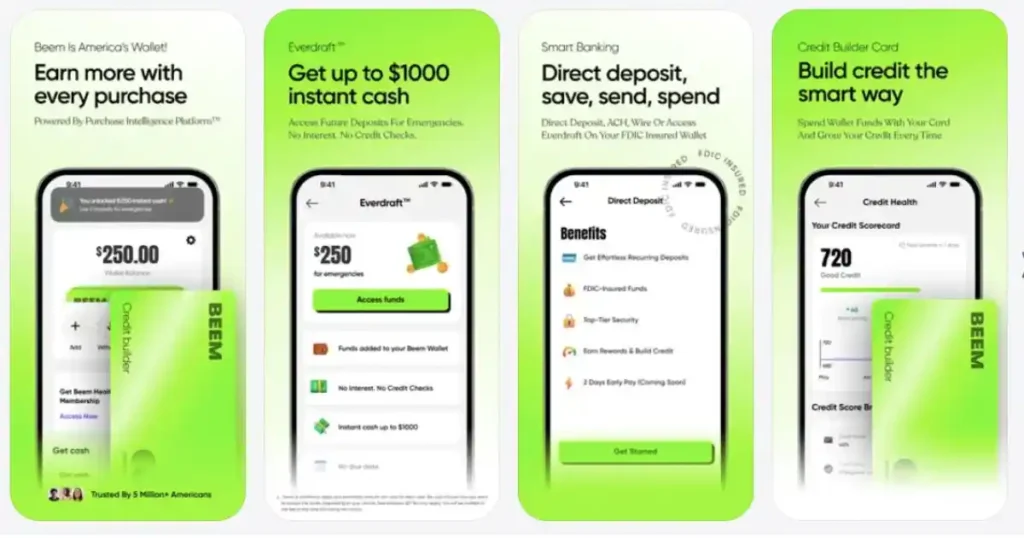
One of Beem’s core features is Everdraft™, which provides eligible users access to emergency cash support.
While disability protection and Everdraft™ serve different functions, they can work together during temporary income disruptions.
Everdraft™ may help users handle immediate expenses such as:
- Groceries
- Transportation
- Utility bills
- Household necessities
- Phone and internet payments
- Prescription costs
This becomes especially important because financial pressure often begins immediately after someone stops working, while larger benefits or claims may take longer to process.
Fast access to emergency financial support can help reduce reliance on high-interest debt products during recovery.
Historically, workers facing temporary income interruptions often turned to payday lenders for emergency cash.
Why Many Consumers Want Alternatives to Payday Loans
Unfortunately, payday loans frequently create larger financial problems through:
- Extremely high APRs
- Short repayment windows
- Hidden fees
- Aggressive collections
- Debt rollover cycles
For someone already dealing with illness or recovery, these financial structures can quickly become overwhelming.
Modern consumers increasingly prefer fintech platforms that focus on transparency and financial flexibility instead of predatory lending models. Beem reflects this shift by combining emergency financial tools with broader financial wellness support.
Why Mobile-First Financial Support Is Growing
Most consumers now manage large parts of their financial lives directly from their phones. Naturally, they expect financial protection tools to work the same way.
Mobile-first platforms allow users to:
- Check balances quickly
- Monitor spending activity
- Access financial support faster
- Manage finances remotely
- Stay organized during emergencies
Traditional systems often move more slowly because they rely heavily on paperwork and manual review processes.
Fintech platforms are growing because they align more closely with how modern consumers prefer to manage money.
Financial Protection Is Changing in 2026
The definition of financial protection has evolved significantly.
In the past, people relied mainly on:
- Savings accounts
- Credit cards
- Insurance policies
Today, many consumers use a broader financial strategy that also includes:
- Financial wellness apps
- Budgeting tools
- Emergency cash platforms
- Digital financial organization tools
- Flexible financial support systems
This shift reflects the reality that financial emergencies happen faster and more unpredictably than many traditional systems were designed to handle.
Consumers increasingly want adaptable financial ecosystems instead of relying on one single solution.
Important Limitations Users Should Understand
While Beem does offer disability-related financial support, users should understand that it is not a replacement for traditional long-term disability insurance.
The protection:
- Is capped at up to $1,000
- Requires approved eligibility
- Applies only under qualifying conditions
- Is tied to Everdraft™ participation
- Functions as supplemental short-term support
Consumers seeking full long-term income replacement may still need separate disability insurance coverage through employers or private insurers.
Understanding these differences helps users set realistic expectations and build stronger overall financial plans.
Who May Benefit Most From Beem Disability Protection?
Beem’s disability-related financial support is designed for people who may not have strong financial safety nets during temporary work interruptions. While many workers can benefit from emergency financial flexibility, certain groups often find this type of support especially valuable.
Gig Workers
Gig workers frequently operate without the protections that traditional employees receive through full-time jobs. Drivers working for rideshare or delivery platforms, freelance couriers, and app-based workers usually do not have access to employer-sponsored disability insurance or paid medical leave.
If an injury, illness, or recovery period prevents them from working, income may stop immediately. Since many gig workers depend on daily or weekly earnings to cover regular bills, even a short interruption can create financial pressure very quickly.
Beem’s disability-related support may help gig workers manage temporary income disruptions while they recover and prepare to return to work.
Freelancers
Freelancers often face a similar challenge because their income depends directly on their ability to continue working consistently. Designers, writers, consultants, photographers, developers, and other independent professionals usually earn income only when projects are active and deadlines are being completed.
A temporary medical issue can delay client work, reduce billable hours, or pause projects entirely. Unlike salaried employees, freelancers generally do not receive paid sick leave or automatic income protection during recovery periods.
Financial support tools integrated into a digital platform can help freelancers manage everyday expenses while work is temporarily interrupted.
Hourly Employees
Hourly workers are often among the most financially vulnerable during medical emergencies or temporary disabilities. Missing shifts usually means losing income immediately.
Workers in retail, hospitality, healthcare support, food service, warehouses, transportation, and many service industries may not always receive extensive paid leave benefits. Even a short recovery period can create stress around:
- Rent payments
- Utility bills
- Grocery costs
- Transportation expenses
- Insurance payments
- Childcare costs
Beem’s short-term financial support may help reduce some of that pressure during temporary work interruptions.
Workers Living Paycheck to Paycheck
Millions of Americans continue living paycheck to paycheck in 2026, even while working full-time jobs. Rising living costs, inflation, debt obligations, and housing expenses have made it difficult for many households to maintain large emergency savings.
For these workers, a temporary illness or injury can quickly disrupt financial stability. Missing only a few weeks of income may lead to:
- Overdraft fees
- Late payment penalties
- Credit card debt growth
- Missed utility payments
- Increased financial stress
Financial protection tools that provide emergency support during difficult periods can help households manage short-term disruptions more effectively.
People With Limited Emergency Savings
Some consumers simply have not had the opportunity to build large savings cushions yet. Younger workers, recent graduates, households recovering from previous financial hardships, or people managing high living costs may still be building long-term financial stability.
During temporary disabilities or recovery periods, having access to supplemental financial support may help users avoid relying on high-interest borrowing options or payday lenders.
This added flexibility can make financial emergencies feel more manageable while users focus on recovery and returning to work.
Workers Without Traditional Benefits
Not every worker has access to comprehensive employer-sponsored insurance programs. Contract workers, part-time employees, seasonal workers, and self-employed individuals often fall outside traditional workplace benefit systems.
That gap is one reason fintech-based financial wellness platforms are gaining popularity. Consumers increasingly want flexible financial tools that support modern work arrangements and nontraditional income patterns.
Beem’s digital-first structure may appeal to workers who need more adaptable financial support options outside traditional employer benefit programs.
People Seeking Simpler Financial Tools
Traditional insurance systems can sometimes feel intimidating or overly complex, especially during stressful situations involving illness or recovery.
Some consumers prefer financial tools that feel:
- Easier to understand
- Faster to access
- Mobile-friendly
- More convenient to manage
- Integrated into everyday financial apps
Beem’s streamlined structure may appeal to users who want practical financial support without navigating complicated standalone insurance systems or lengthy paperwork processes.
Consumers Focused on Financial Wellness
Many people today are looking for financial tools that do more than provide emergency support alone. They also want better visibility into spending, budgeting, and overall financial organization.
Because Beem combines disability-related support with budgeting tools, spending visibility, and emergency cash access through Everdraft™, users may benefit from a more complete financial wellness experience during difficult periods.
This broader ecosystem can help users stay financially organized while navigating temporary income disruptions.

Why Flexible Financial Support Matters More Today
Modern financial life has become less predictable for many Americans. Gig work, freelance income, rising expenses, and economic uncertainty have increased the importance of flexible financial tools that can adapt to changing situations.
Disability-related financial support is no longer only relevant for severe long-term situations. Even short-term interruptions in income can create meaningful financial stress for workers managing tight budgets or inconsistent earnings.
That is why many consumers are increasingly exploring financial wellness platforms that combine emergency support with everyday money management tools.
For workers facing temporary disabilities, recovery periods, or unexpected health-related interruptions, Beem’s approach may provide an additional layer of financial flexibility during uncertain times.
What Consumers Should Consider Before Choosing Financial Protection Tools
Not all financial protection platforms offer the same level of flexibility, transparency, or user support. Some apps focus only on short-term cash access, while others provide broader financial wellness tools designed to help users manage financial uncertainty more effectively over time.
Before relying on any financial wellness platform, consumers should carefully evaluate several important factors to ensure the service actually supports their financial needs during emergencies.
Transparency
Transparency should always be one of the first things users evaluate before signing up for any financial product.
During periods of illness, disability, or income disruption, confusing terms or unexpected costs can create even more financial stress. Users should clearly understand how the platform works before depending on it during emergencies.
Important details to review include:
- Eligibility requirements
- Coverage limitations
- Repayment structures
- Optional fees
- Processing timelines
- Subscription costs
- Financial protection terms
Apps that explain these details clearly tend to create a better overall user experience and help consumers make more informed financial decisions. Transparency also helps users avoid surprises during already stressful situations.
Financial Flexibility
Modern income patterns look very different from traditional employment structures. Many Americans now earn money through:
- Gig work
- Freelancing
- Contract jobs
- Side hustles
- Self-employment
- Multiple income streams
Unfortunately, some financial systems still operate as though every user receives a predictable paycheck from one employer every two weeks.
Consumers should look for platforms that work well with variable income patterns and modern financial realities. Flexible financial tools often feel more practical because they adapt to how people actually earn and manage money today.
This becomes especially important during periods of temporary disability, job loss, or inconsistent income where traditional financial systems may not fully reflect someone’s financial situation.
Emergency Accessibility
Financial emergencies usually require fast action. When someone is dealing with illness, injury, or unexpected income interruption, waiting days or weeks for support can increase financial pressure significantly.
Consumers increasingly expect financial platforms to provide:
- Faster access to support
- Mobile-first convenience
- Simple digital experiences
- Quick account visibility
- Streamlined approval systems
Easy accessibility matters because emergencies rarely happen on a convenient schedule. The faster users can organize finances or access support, the easier it may become to avoid additional financial problems like overdraft fees, late payments, or high-interest debt.
Financial Wellness Features
Emergency financial support can help during short-term crises, but long-term financial stability usually requires broader financial awareness.
That is why financial wellness features matter. Consumers should look for apps that also help users:
- Track spending activity
- Monitor recurring bills
- Organize expenses
- Understand cash flow patterns
- Improve budgeting habits
- Build stronger financial awareness
These tools can become especially valuable during periods of reduced income because they help users prioritize essential expenses more effectively.
Even small improvements in spending visibility can reduce financial stress and improve financial decision-making over time.
Read: Does Beem Offer Disability Protection?
Final Thoughts
So, does Beem have disability protection?
Yes. Eligible users may qualify for disability-related financial support through Payment Guard Insurance, which can provide up to $1,000 toward Everdraft™ instant cash during qualifying disability situations.
While it is not designed to replace traditional disability insurance, Beem offers a more flexible and accessible form of financial support for users dealing with temporary income disruptions.
In 2026, many consumers are looking for financial tools that provide more than simple borrowing. They want flexibility, emergency preparedness, budgeting support, and practical financial organization during life’s unpredictable moments.
Beem’s disability protection feature reflects that modern approach to financial wellness by combining emergency financial support with tools that help users stay financially organized and better prepared during difficult periods.