
Table of Contents
Students and people filing taxes for the first time often feel overwhelmed during tax season because they have to learn new rules, forms, and deadlines all at once. Many people new to earning money don’t know whether they need to file, what counts as income, or how refunds work. Here is a guide for college students, part-time workers, interns, freelancers, and anyone filing their taxes for the first time on their own. Knowing how to report your income, when to file, and what benefits you may be eligible for can help you feel less stressed and avoid mistakes that cost you money. If you know what to expect and are ready, your first tax season can be a great way to learn instead of a stressful chore.
Do Students and First-Time Earners Need to File Taxes in 2026
You may or may not have to file a tax return, depending on how much money you made, your filing status, and the sort of income you earned. Many students think that if they don’t make much money, they don’t have to file, but that’s not always the case. Knowing the laws ahead of time will help you avoid missing out on refunds or fines.
Income thresholds that determine whether you must file
The IRS establishes yearly income limits based on age and filing status. These limits include W-2 wages from college positions, internships, part-time work, taxable scholarships, and stipends. Even if taxes were previously taken out, you still have to file if your income is above the limit.
When you may need to file even with very low income
If you desire a refund and your federal taxes were taken out, you may still need to file even if you don’t make much money. Self-employment income, contract work, and gig earnings normally need to be reported after they reach $400, even if your total income is less than that.
Filing as a dependent vs filing independently
Being claimed as a dependent changes deductions and credits, but it doesn’t mean you don’t have to file. Even if their parents help them a lot, students may still need to file their own return, especially if they earned income or had taxes withheld.
Understanding the Basic Tax Forms You Will See for the First Time
At first, tax forms may seem scary, but each one has a definite purpose. Knowing what these forms say will help you fill them out correctly and understand how your refund is figured.
W-2, 1099-NEC, and 1099-K explained simply
A W-2 shows how much an employer pays an employee, while a 1099-NEC shows how much a freelancer or contractor makes. Depending on the reporting requirements, a 1099-K may show payments made through online platforms or marketplaces.
What Form 1040 is and how student filers use it
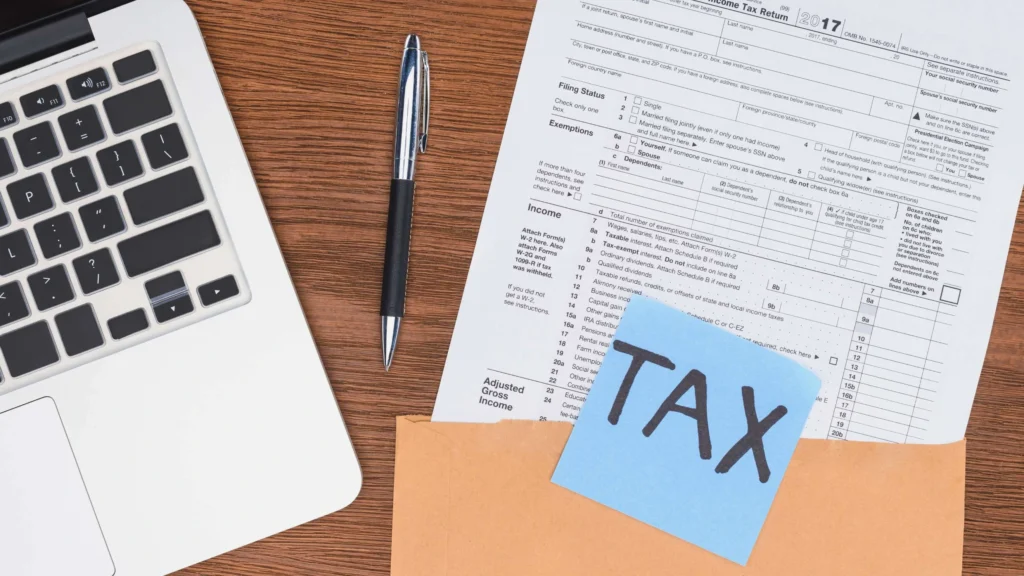
The basic federal tax form for reporting income, claiming credits, and figuring out how much tax you owe or how much you’ll get back is Form 1040. Most student filers utilise the regular version and add attachments based on the type of income and deductions they have.
Digital pay app income, campus jobs, and gig work reporting
You have to declare money you make from teaching, driving for rideshare services, freelancing, and selling things on the marketplace, even if you get paid through applications like Venmo or Cash App. Campus jobs disclose income on W-2s, but independent work normally reports income on 1099s.
Credits and Benefits Students May Qualify For
Many students miss out on important tax breaks because they don’t know about them. Knowing which credits and deductions are available can significantly reduce your tax bill or increase your refund.
Education-related tax credits
The American Opportunity Credit and the Lifetime Learning Credit might assist pay for some college costs. Eligibility depends on whether you are enrolled, your income, and who claims the student. These credits can lower the amount of taxes you owe and might even give you money back.
Student loan interest deductions
If you paid interest on eligible student loans, you might be allowed to take a tax deduction of up to a certain amount. You can still take this deduction even if you don’t itemise, and it can help lessen your overall tax bill.
First-time filer refund opportunities
First-time filers often get refunds because they paid too much in taxes, received refundable credits, or qualified for education benefits. Even low-income filers may qualify for refunds, making filing worthwhile even when not strictly required.

Step-by-Step Guide to Filing Taxes for the First Time in 2026
Breaking down filing your taxes into distinct steps makes it feel less overwhelming. A planned strategy helps cut down on mistakes, makes sure reports are correct, and gives you more confidence for future filing seasons.
- Collect all of your income documents, such as W-2s, 1099s, and records of any freelance, gig, or digital payments you got during the year. One of the most common reasons for filing errors is not having the right paperwork.
- Check to see if you’re filing as a dependent or independent, because this will influence your eligibility for credits and deductions and how your return interacts with your parents’ tax return.
- Be careful when entering your income on an IRS form or an approved online filing platform. Make sure the amounts match exactly with official documents to avoid processing delays or IRS notices.
- Find out if you qualify for education credits, student loan interest deductions, and refundable advantages that might raise your refund or lessen the amount of taxes you owe.
- Check the outcomes of your refund or payment, file your return electronically, and keep copies of your return and other documentation for next year’s tax season.
Common Mistakes First-Time Filers and Students Should Avoid
People who file their taxes for the first time often make mistakes that they could have avoided since they don’t know the regulations. Knowing these typical mistakes ahead of time might help you avoid delays, disallowed refunds, or follow-up notices from the IRS.
- Not reporting gig labour, freelance income, or digital payments, even if no tax form is sent, might cause income to be underreported.
- Filing taxes on your own when your parents can still legally claim you as a dependent might lead to problems with tax returns and possible IRS adjustments.
- Entering the wrong amount for school costs or claiming credits without completing the requirements could result in denied or reduced school benefits.
- Forgetting to file state taxes, especially if you made money in more than one state during the year.
- Not doing a final review, which can result in wrong bank information, Social Security numbers, or math mistakes that slow down refunds.
Smart Habits to Build for Future Tax Seasons
If you start doing your taxes right away, it will be easier and less stressful in the future. Keeping things organised and being aware of them year-round makes them more accurate and less confusing at the last minute.
- Keep track of all your sources of income all year long, especially if you get paid for a part-time job, freelancing, tutoring, or using internet platforms.
- Look over your pay stubs often to see how much tax is being withheld and if you need to make any changes when your income changes.
- For convenient access throughout tax season, keep your tuition statements, loan interest data, and tax documents in one safe place.
- To avoid surprises, learn how changes in income influence tax brackets, credits, and refund amounts.
- Use free calculators and educational tax resources to estimate what will happen before you file. This will help you prepare better and make smarter financial decisions.
FAQs on Tax Season
Do students have to file taxes if their parents still claim them as dependents?
Yes, students may still have to file their own tax return even if someone else claims them as a dependent. Filing relies on how much money you make and what kind of income you have, not whether or not you are a dependent. Dependents can use only specific credits and deductions to a limited extent.
Can I get a refund even if I made very little money?
Yes, people who make less money often get refunds if taxes were deducted from their pay cheques. You may get money back even if your total income is below the filing limits if you have refundable credits or too much withheld.
Do scholarships or stipends count as taxable income?
Most of the time, scholarships that pay for tuition and other compulsory costs are not taxed. You have to report as income on your tax return any money you spend on housing, food, or other non-necessary costs.
What happens if I work in two states during the year?
If you work in more than one state, you may need to file both a federal return and state returns. Every state taxes income earned within its borders; therefore, earnings need to be divided correctly to avoid double taxation.
Can I file my taxes online for free as a first-time filer?
The IRS has programs that let many first-time filers complete their taxes online for free. Most students and beginners can file electronically without paying for preparation, but this depends on their income and how complicated their taxes are.
Filing Taxes Confidently as a Student or First-Time Filer in 2026
Your first tax season isn’t about doing everything right; it’s about learning how the system works. Filing gets faster and less scary every year as ideas start to come together. Knowing how to record income, file taxes, and get benefits can help you feel more confident and avoid making mistakes.
Reliable instructional materials and tools that clearly explain federal and state tax rules can make a big impact, especially for people just starting out. Free tax calculators and step-by-step guidelines can help you estimate what will happen before you file and make things less confusing. Instead of seeing this initial filing as a hardship, see it as a financial milestone.
The information you learn now can help you make better choices in your job and throughout tax season in the future.
Check out Beem for on-point financial insights and recommendations to spend, save, plan and protect your money like an expert. Download the Beem app today!