

Table of Contents
Running your own business or working independently in Hawaii comes with freedom and flexibility, but it also brings a unique set of tax responsibilities. Hawaii has its own state tax rules layered on top of federal self-employment taxes, and overlooking even one requirement can lead to penalties or unexpected bills.
This Guide to Hawaii Self-Employed Taxes for 2025–2026 explains everything you need to know in clear, practical terms. You’ll learn how self-employment income is taxed at the federal and state level, how Hawaii’s General Excise Tax affects independent workers, which deductions and credits matter most, and how to plan ahead so tax season doesn’t disrupt your cash flow.
Whether you’re a freelancer, consultant, gig worker, or small business owner, this guide is designed to help you stay compliant and financially prepared.
Who Is Considered Self-Employed in Hawaii?
You’re generally considered self-employed if you earn income without being classified as an employee. This includes:
- Freelancers and independent contractors
- Sole proprietors
- Single-member LLC owners
- Gig workers and online sellers
- Consultants and creative professionals
- Independent service providers
If your net self-employment income is $400 or more, you must file a federal tax return and pay self-employment tax.
Federal Self-Employment Taxes Explained
Before diving into Hawaii-specific taxes, it’s important to understand your federal obligations, which apply to all self-employed individuals across the U.S.
What Is Self-Employment Tax?
Self-employment tax covers Social Security and Medicare contributions. Employees split these taxes with their employers, but self-employed individuals pay both portions themselves.
For the 2025–2026 tax years, self-employment tax generally includes:
- 12.4% for Social Security (up to the annual income limit)
- 2.9% for Medicare (no income cap)
- An additional 0.9% Medicare tax for higher-income earners
This tax is calculated using Schedule SE, based on your net business income reported on Schedule C.
Federal Income Tax
In addition to self-employment tax, you also owe federal income tax. Rates are progressive, meaning income is taxed in brackets that increase as your earnings rise.
How Hawaii Taxes Self-Employed Income
Hawaii taxes self-employed income at the state level, but its tax structure differs from many other states.
Does Hawaii Tax Self-Employment Income?
Yes. Hawaii taxes net taxable income, including profits from self-employment. The state uses a progressive income tax system with multiple brackets and relatively higher top rates compared to many states.
Hawaii generally begins with your federal adjusted gross income (AGI) and applies state-specific adjustments to calculate taxable income.
Hawaii Income Tax Rates for 2025–2026
Hawaii has one of the most progressive income tax systems in the country, with multiple brackets that increase as income rises. While rates may be adjusted through legislation, the structure typically includes:
- Lower rates for smaller income amounts
- Gradually increasing rates for higher earnings
- Higher marginal rates for top income levels
Your actual tax liability depends on:
- Filing status
- Taxable income after deductions
- Available credits
Because Hawaii’s brackets are detailed, accurate calculations are especially important for self-employed workers.
Calculating Hawaii Self-Employed Taxable Income
Step 1: Calculate Net Business Income
Start by calculating your net business income on Schedule C:
- Total business income
- Minus ordinary and necessary business expenses
Common deductible expenses include:
- Advertising and marketing
- Office supplies and equipment
- Software and subscriptions
- Internet and phone expenses
- Professional services
- Business insurance
- Vehicle and travel costs
Step 2: Apply Hawaii Adjustments
Hawaii does not always conform fully to federal tax rules. Some deductions allowed federally may be limited or treated differently for Hawaii tax purposes. State-specific additions and subtractions are applied to arrive at Hawaii taxable income.
Step 3: Apply Hawaii Tax Brackets
Once taxable income is determined, Hawaii’s progressive tax brackets are applied to calculate state income tax owed.
Estimated Tax Payments in Hawaii
Because self-employed individuals don’t have taxes withheld from their income, most must make quarterly estimated tax payments.
When Are Estimated Taxes Required?
You typically need to make estimated payments if:
- You expect to owe $1,000 or more in federal taxes, or
- You expect to owe $500 or more in Hawaii state income tax
Quarterly Estimated Tax Deadlines
Estimated payments are generally due:
- April 15
- June 15
- September 15
- January 15 of the following year
Failing to pay enough throughout the year can result in penalties, even if you pay the full amount when filing your return.
Hawaii Tax Forms Self-Employed Individuals Need
Federal Forms
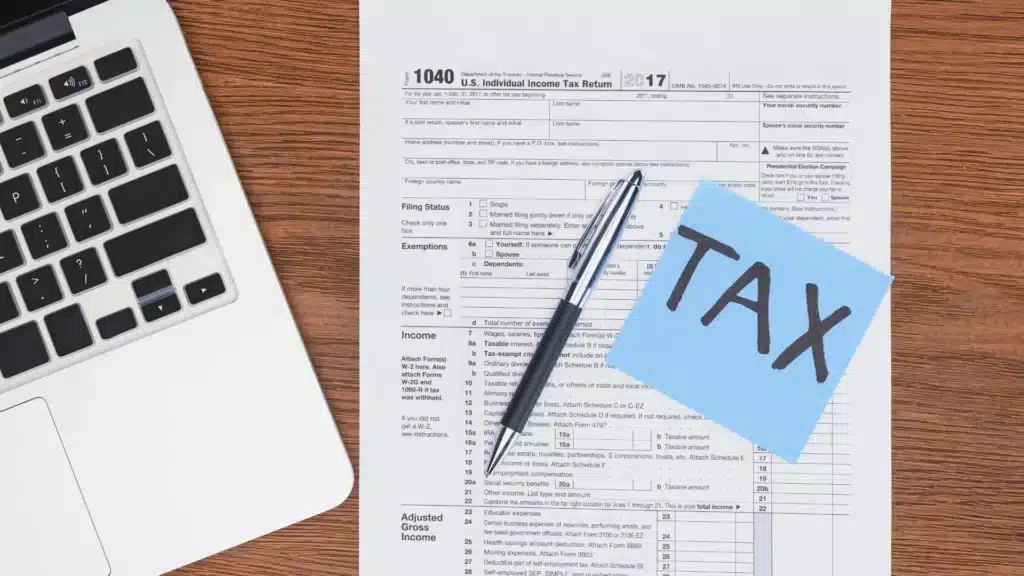
- Form 1040 – Individual income tax return
- Schedule C – Profit or loss from business
- Schedule SE – Self-employment tax
- Form 1040-ES – Estimated federal taxes
Hawaii State Forms
- Form N-11 – Resident individual income tax return
- Form N-15 – Nonresident and part-year resident return
- Form N-210 – Estimated income tax payments
Hawaii’s General Excise Tax (GET)
One of the most important differences for self-employed individuals in Hawaii is the General Excise Tax (GET).
What Is the General Excise Tax?
Unlike a traditional sales tax, the GET is a tax on gross business income, not just profits. This means:
- You pay GET even if your business expenses are high
- The tax applies whether or not you pass the cost on to customers
Who Must Pay GET?
Most businesses in Hawaii, including self-employed individuals and freelancers, are subject to GET if they earn income from business activities in the state.
General Excise Tax Rates
- Standard rate is typically 4%
- Some counties impose a surcharge, increasing the rate slightly
You may:
- Pay GET yourself, or
- Itemize it as a separate line on customer invoices
GET Filing Requirements
Depending on income level, you may need to:
- File monthly, quarterly, or semiannual GET returns
- Register for a GET license
- Remit taxes even if no profit was made
Ignoring GET obligations is a common and costly mistake for self-employed individuals in Hawaii.
Common Deductions for Hawaii Self-Employed Workers
Deductions help reduce taxable income, lowering both federal and state taxes.
Home Office Deduction
If you use part of your home regularly and exclusively for business, you may deduct a portion of:
- Rent or mortgage interest
- Utilities
- Insurance
- Repairs and maintenance
Given Hawaii’s high housing costs, this deduction can be especially valuable if you qualify.
Vehicle and Transportation Expenses
You can deduct business-related vehicle use by choosing:
- The standard mileage rate, or
- Actual expenses such as fuel, maintenance, insurance, and depreciation
Accurate mileage logs are essential.
Health Insurance Deduction
Self-employed individuals may deduct health insurance premiums for themselves, spouses, and dependents, provided eligibility requirements are met.
Retirement Contributions
Retirement contributions reduce taxable income while helping you plan for the future. Popular options include:
- SEP IRA
- Solo 401(k)
- Traditional IRA
These plans can significantly reduce your tax bill in higher-income years.
Hawaii Tax Credits to Consider
Tax credits directly reduce the amount of tax you owe, making them especially valuable.
Common Hawaii Credits
- Hawaii Earned Income Tax Credit
- Child and Dependent Care Credit
- Renewable energy and energy efficiency credits
- Education-related credits
Eligibility depends on income, expenses, and filing status.
Business Structure and Hawaii Taxes
Your business structure affects how income is taxed and reported.
Sole Proprietorship
This is the simplest structure and most common for freelancers. Income is reported on Schedule C and taxed as personal income.
Single-Member LLC
Most single-member LLCs are taxed like sole proprietorships unless another election is made. The LLC provides liability protection without changing basic tax treatment.
S Corporation Election
Electing S corporation status may reduce self-employment tax by allowing some income to be treated as distributions instead of wages. However, this structure adds complexity and requires paying a reasonable salary.
Recordkeeping Tips for Hawaii Self-Employed Workers
Strong recordkeeping is essential, especially with both income tax and GET obligations.
What to Track
- Income and invoices
- Business expenses and receipts
- Mileage logs
- GET collected and paid
- Bank and credit card statements
How Long to Keep Records
It’s generally recommended to keep tax records for at least three to five years.
Using accounting software can help separate income, expenses, and GET liabilities.
Common Mistakes to Avoid in Hawaii
Self-employed professionals in Hawaii face a few unique tax challenges that can easily lead to penalties or higher tax bills if overlooked. Understanding these common mistakes can help you stay compliant, avoid surprises, and manage your cash flow more effectively throughout the year.
Overlooking the General Excise Tax
One of the most common mistakes new self-employed workers make in Hawaii is underestimating or forgetting about the General Excise Tax (GET). Unlike a traditional sales tax, GET applies to gross income from most business activities, even if you don’t sell physical products.
Many first-time filers assume GET only applies to retail businesses, which leads to missed filings or unpaid tax.
Why it matters: Failing to register, file returns, or pay GET on time can result in penalties, interest, and back taxes.
Underpaying Estimated Taxes
Because no taxes are withheld from self-employment income, you’re expected to make quarterly estimated tax payments to both the IRS and the State of Hawaii. Waiting until tax season to pay everything often results in underpayment penalties.
Fluctuating income can make it difficult to estimate payments accurately without regular reviews.
Why it matters: Paying taxes as income is earned helps avoid penalties and prevents large, unexpected tax bills at filing time.
Mixing Personal and Business Finances
Using the same bank account for personal and business transactions makes it harder to track income and expenses accurately. This can lead to missing deductions or claiming expenses that can’t be properly supported.
Poor financial separation also complicates tax preparation and increases the risk of errors.
Why it matters: Clear separation between personal and business finances strengthens your deductions and simplifies recordkeeping year-round.
Missing State-Specific Adjustments
Hawaii’s tax rules do not always align with federal tax law. Certain deductions, exemptions, or income adjustments allowed on your federal return may be treated differently at the state level.
Assuming Hawaii follows federal rules exactly can result in underpayment or incorrect reporting on your state return.
Why it matters: State-specific differences directly affect your tax liability and can trigger notices or penalties if overlooked.
Avoiding these mistakes starts with understanding Hawaii’s unique tax requirements, keeping organized records, and reviewing your finances regularly. A proactive approach can help you file with confidence and reduce unnecessary tax costs.
When to Consider a Tax Professional
Working with a tax professional may be helpful if:
- You’re new to Hawaii’s GET system
- Your income fluctuates significantly
- You operate in multiple states
- You’re considering changing your business structure
Professional guidance can help prevent costly mistakes and improve long-term tax planning.
Planning Ahead for 2026 and Beyond
Smart tax planning is ongoing, not seasonal. To stay ahead:
- Set aside a percentage of every payment for taxes
- Review income and expenses monthly
- Adjust estimated payments when income changes
- Track GET separately from income taxes
Consistent planning helps prevent cash flow stress and surprises.
Final Thoughts
Handling self-employed taxes in Hawaii for 2025–2026 requires careful attention to both federal and state rules, especially the General Excise Tax. By understanding how your income is taxed, paying estimated taxes on time, tracking deductions accurately, and planning year-round, you can stay compliant and protect your earnings.
Whether you’re building a freelance career or running a growing small business, a proactive approach to Hawaii self-employed taxes gives you the confidence to focus on your work while staying financially secure.
File your federal and state taxes online with Beem. You can claim all the tax credits and deductions you are eligible for and file all forms, combinations, and filing statuses, including multi-state filing. You can also try Beem’s free Tax Calculator for an accurate federal and state tax estimate.