

Table of Contents
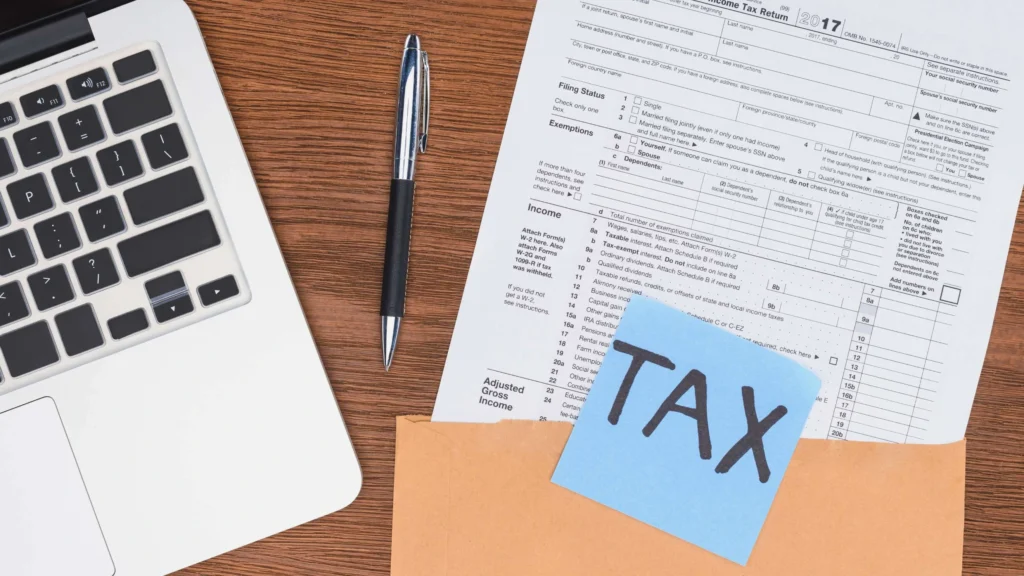
It is more frustrating and even shocking to find that you are expected to pay taxes rather than get a refund. Most of them jump to the conclusion that they have done something wrong or made a mistake when filing. In fact, paying taxes is a natural consequence and typically reflects the harmony between income and withholdings throughout the year and the changes in a person’s life.
Through this guide, you will understand why you pay taxes and how to respond peacefully, confidently, and properly, without resorting to typical, unwarranted stress.
Why You Might Owe Taxes Instead of Getting a Refund
The filing of taxes is usually occasioned by the fact that the taxes that you paid during the period of the year were not precisely what you should have paid as far as taxes were concerned. Tax is calculated based on annual income, but payments are typically estimated and phased out, which may result in variations at the time of filing.
Withholding That Didn’t Match Actual Income
The tax withholding is calculated based on certain assumptions at the start of the year. Under-withholding can also occur even with consistent employment when deductions, filing status, or benefits change. Over time, small holes formed, leading to a balance due.
Income Changes During the Year
Your total earnings are likely to exceed what you had anticipated as income rises, e.g., through a cut in the form of a raise or bonus, commission or new income. Unless withholding is automatic, the extra income might not be taxed at the full rate until the time of filing.
Common Situations That Lead to Owing Taxes
Some financial circumstances make one likely to owe taxes. Awareness of such situations makes paying taxes normal and eases the temptation to see it as a personal failure.
Multiple Jobs or Income Streams
If you have more than one source of income, each payer imposes tax separately. The sum of all jobs with no coordination might not be enough to earn your aggregate income.
Self-Employment or Contract Income
Self-employed earners and contractors generally receive untaxed income. Taxes do not always have to be paid throughout the year, and at filing time, even when income was carefully budgeted, taxes are likely due.
Reduced or Missing Withholding
Withholding can be minimized by adjusting allowances, benefits, or tax forms. These modifications are not so big at that moment, but they can have a great influence on your end-of-year tax result.
Understanding the Amount You Owe
It is important to understand what the balance due really means before getting emotional. The process of moving from anxiety to understanding helps you make informed, rational decisions.
Taxes Owed vs Penalties and Interest
It is not really a punishment, but the balance due. Fines and interest apply only when deadlines are missed or obligations are disregarded, rather than simply being owed taxes.
Why the Amount May Feel Unexpected
Many individuals demand refunds based on past experiences. A fairly rational proportion of income can be sickening when expectations are based on the past rather than on current income.
First Things to Do When You Realize You Owe Taxes
Responding first gives a tint to everything that follows. A level-headed, systematic approach will ensure accuracy and avoid unwarranted errors and hasty conclusions.
Review Your Return for Accuracy
Check and recheck your return regarding your income, deductions, or filing status. The amount owed can vary due to a simple mistake; therefore, payment decisions should be made after verification.
Confirm All Income and Credits Are Included
Lost income forms or credits neglected may impact your tax balance. Completeness also safeguards against overpayment and eliminates the need for future corrections and amendments.
What Happens If You Can Pay the Full Amount
If you can finance the balance in one lump sum, the process is easy. Knowledge of this route will make one less anxious and hasten a closure.
Paying Taxes by the Deadline
By paying on the filing date, penalties and interest will not accrue. Paying on time will wipe your tax records clean.
Keeping Proof of Payment
Saving payment confirmation helps you, as there may be delays in processing payments or discrepancies. Records remain safe even after the filing season ends.
What Happens If You Can’t Pay in Full Right Away
Failure to pay at once is not uncommon as is thought. The tax system does not require immediate payment, which gives the responsible person leeway.
Why Filing on Time Still Matters
Addressing the issue of filing on time avoids further penalties despite the delayed payment. Filing your return demonstrates compliance and leaves you open to alternatives.
Understanding Payment Flexibility
There are organized payment options available to maintain balances responsibly. Those who are indebted should not be ignored; they should remain involved rather than pay it all at once.
Avoiding Additional Fees and Penalties
The majority of costs associated with taxation are due to inaction, not to the balance. Responsiveness and awareness will help to minimize the chances of escalation.
Consequences of Ignoring a Balance Due
Uncashed balances may increase due to interest and fines. It may result in more severe enforcement measures if violations continue.
How Communication Reduces Risk
Responsibility is indicated by timely communication. Remaining involved can lead to better results than remaining silent on the matter.
Emotional and Financial Impact of Owing Taxes
Paying taxes can often elicit negative emotional responses related to money, fairness, and expectations. Understanding such feelings will help avoid excessive reactions.
Why Owing Taxes Feels Personal
Balances are losses, and refunds are rewards. This can be an emotional framing of a neutral financial outcome to make it seem deeply personal.
Separating Financial Reality From Self-Blame
Taxes are not moral but calculations. It is beneficial to view them objectively to ensure clarity and emotional stability.
What Owing Taxes Says About Your Withholding
A balance due can help show how you’ve paid your taxes compared to your income; it is an informational measure, not a sign of failure to pay taxes.
Understanding Withholding Patterns
In general, refunds represent money you overpaid during the year, and balances indicate cash you didn’t pay; both situations are common and reflect timing differences.
The Good Side of Owing Taxes
Owing a relatively small amount of tax may give you more access to your money for most of the year than waiting for a refund, in some cases.
Preparing for Future Tax Years After Owing Taxes
Having unpaid taxes once does not set a precedent for your future. Knowing how tax problems will affect you will help you better handle the ongoing anxiety associated with tax obligations.
Monitoring Income and Changes Earlier
Knowing when and how much your income will change will help determine what your tax situation may look like come tax time. Being aware of these changes can ease some of your filing anxiety.
Reducing Stress at the Next Filing
Working with the same tax preparer year after year will create consistency, organization, and familiarity. This will help ensure that your tax filing process runs as smoothly and predictably as possible.
Common Myths About Owing Taxes
Myths about owing taxes often exaggerate how difficult it is. Addressing those myths provides the needed perspective.
“Owing Taxes Means I Filed Wrong”
You can file accurately and still owe taxes. The outcome and accuracy of your return are not the same.
“Only High Earners Owe Taxes”
Everyone, regardless of their income, owes taxes. What is more important than how much money you earn is how that money is structured.
“It’s Better Always to Get a Refund”
A refund represents an overpayment for taxes during the year. If you receive a smaller refund or have a balance due when you file your tax return, you have done a better job managing your cash.
Frequently Asked Questions
Is it bad to owe taxes instead of getting a refund?
No. Owing taxes is common and usually reflects timing differences in payments. It does not indicate a mistake or financial trouble.
What happens if I can’t pay what I owe right away?
You should still file on time. Filing helps prevent additional penalties, and payment options are available to manage balances responsibly.
Will I get penalized for owing taxes?
Penalties apply only when deadlines are missed or balances are ignored. Owing taxes alone does not trigger penalties.
Can owing taxes affect future refunds?
Unpaid balances may be applied against future refunds. Staying current avoids complications.
How can I avoid owing taxes next year?
Understanding income changes and staying aware throughout the year reduces surprises. Clarity matters more than perfection.
Conclusion
With the right resources and knowledge, understanding taxes can be simple. With platforms like Beem, you can easily calculate your tax accurately and stay up to date on the current tax structure, rates, and regulations. Using tools like Beem, rather than relying on speculation or outdated assumptions, gives you the information you need to make informed choices about your financial situation.
By having an understanding of your numbers ahead of time, you will be able to approach the next tax season with less worry and have the confidence and knowledge to take control of your situation.