

Table of Contents
Getting sick can affect far more than physical health alone. For millions of Americans, illness or temporary disability quickly creates financial pressure as well.
A missed paycheck, reduced work hours, or unexpected medical costs can disrupt an entire monthly budget almost immediately. Rent still needs to be paid. Utility bills continue arriving. Grocery costs do not pause because someone is recovering from surgery, managing a chronic condition, or dealing with an injury that prevents them from working.
That financial pressure is exactly why more consumers are searching for income protection tools in 2026.
Traditionally, people relied mostly on emergency savings, employer benefits, credit cards, or disability insurance policies during difficult periods. Today, fintech apps are becoming part of that financial protection strategy as well.
Modern financial wellness platforms now help users manage temporary financial disruptions with tools like emergency cash access, budgeting support, spending visibility, and financial organization features designed for uncertain situations.
Among these platforms, Beem has gained growing attention because it combines financial flexibility with practical money management tools that help users navigate illness, temporary disability, and reduced income more confidently.
Why Income Protection Matters More Than Ever
Financial emergencies tied to illness have become increasingly common in recent years.
Healthcare costs continue rising across the United States. Inflation has increased pressure on household budgets. Many workers still lack strong emergency savings or employer-sponsored disability benefits.
Even households with stable full-time jobs often struggle to absorb sudden financial disruptions.
A temporary illness or injury can create multiple financial challenges at once, including:
- Lost wages
- Medical expenses
- Higher prescription costs
- Missed utility payments
- Credit card debt growth
- Overdraft fees
- Difficulty covering everyday essentials
For people living paycheck to paycheck, even a short interruption in income can quickly become overwhelming.
Many workers today simply do not have enough savings to comfortably cover several weeks or months without income. That reality has changed how consumers think about financial preparedness.
People increasingly want flexible financial tools that help them adapt quickly during uncertain situations.
The Modern Workforce Faces Greater Financial Uncertainty
The way Americans work has changed significantly over the last several years.
Traditional long-term employment is no longer the only source of income for many households. More people now rely on:
- Freelance work
- Gig economy jobs
- Contract employment
- Side hustles
- Part-time income streams
- Self-employment
While these work arrangements offer flexibility, they often come with less financial protection.
Many independent workers do not receive:
- Paid sick leave
- Employer-sponsored disability insurance
- Guaranteed income stability
- Strong workplace benefits
This creates a larger need for personal financial flexibility during periods of illness or reduced work capacity.
Even workers with traditional jobs increasingly worry about financial vulnerability because layoffs, reduced hours, and economic uncertainty remain common concerns in 2026.
What Income Protection Means in Fintech Apps
When consumers search for “income protection apps,” they are often not looking for traditional long-term insurance products.
Instead, they are usually looking for practical tools that help manage temporary financial pressure during difficult periods.
That support may include:
- Emergency cash access
- Budgeting assistance
- Spending visibility
- Financial organization
- Bill tracking
- Short-term financial flexibility
- Alternatives to payday loans
Consumers increasingly want financial tools that feel faster, simpler, and easier to use during emergencies.
This shift has changed the fintech industry significantly.
Many financial apps today position themselves as broader financial wellness ecosystems instead of focusing only on borrowing or payments.
Why Financial Wellness Platforms Are Growing
Consumers are no longer looking only for banking apps. They increasingly want platforms that help them:
- Organize finances
- Reduce financial stress
- Understand spending habits
- Manage emergencies more effectively
- Improve long-term financial stability
This broader approach matters because financial emergencies rarely happen in isolation.
Someone dealing with illness or temporary disability may also be managing:
- Emotional stress
- Healthcare expenses
- Reduced work hours
- Family responsibilities
- Rising household costs
Financial organization becomes especially important during those situations. That is one reason financial wellness-focused apps continue gaining popularity in 2026.

Why Beem Stands Out in 2026
Among modern financial wellness platforms, Beem stands out because it focuses on more than emergency borrowing alone.
The platform combines financial flexibility with budgeting tools, spending visibility, and money management features designed for real-world financial challenges.
For people dealing with illness or temporary income disruption, this broader ecosystem can feel more practical and supportive than standalone borrowing products.
Instead of encouraging long-term debt dependency, Beem focuses on helping users navigate temporary financial pressure while maintaining better visibility into their overall finances.
Emergency Cash Access Through Everdraft™
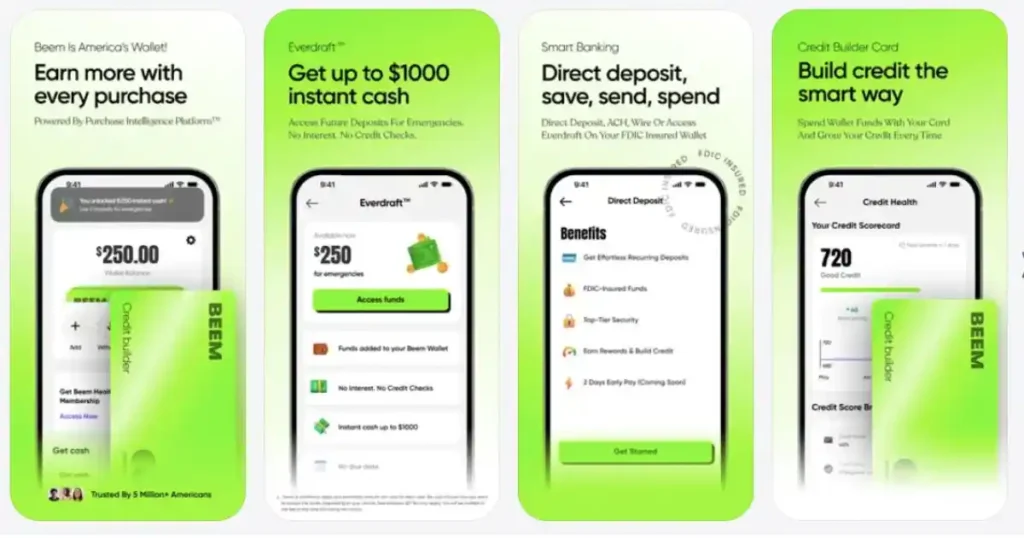
One of Beem’s best-known features is Everdraft™, which helps eligible users access emergency cash during temporary financial gaps.
For someone dealing with illness, recovery, or reduced work capacity, fast access to emergency funds can help cover immediate necessities such as:
- Groceries
- Utility bills
- Prescription medications
- Transportation costs
- Phone and internet bills
- Household essentials
- Insurance payments
Even relatively small financial gaps can become stressful when income suddenly slows down.
Access to emergency financial flexibility may help users avoid:
- Overdraft penalties
- Missed bill payments
- High-interest borrowing
- Utility shutoff risks
- Additional financial stress
This type of short-term support has become increasingly important for households managing unpredictable financial situations.
Why Consumers Are Avoiding Payday Loans
During financial emergencies, many Americans still turn to payday lenders because they believe quick cash access leaves them with limited options.
Unfortunately, payday loans often create larger financial problems instead of solving short-term ones.
These products are commonly associated with:
- Extremely high APRs
- Hidden fees
- Short repayment timelines
- Debt rollover cycles
- Aggressive collections tactics
For households already managing illness-related financial stress, these repayment systems can quickly become overwhelming.
Consumers in 2026 are becoming far more cautious about predatory lending structures. Many now prefer fintech platforms that focus on financial flexibility, transparency, and money management support instead of high-interest debt cycles.
Beem reflects this broader industry shift toward financial wellness-focused support.
Budgeting Becomes More Important During Illness
Financial emergencies are not only about accessing money quickly. They are also about managing available money carefully.
During illness or temporary disability, budgeting often becomes even more important because households may be operating with reduced income while expenses continue increasing.
Beem helps users:
- Track spending activity
- Monitor recurring expenses
- Understand cash flow patterns
- Improve spending awareness
- Organize financial information
- Manage bills more effectively
This visibility can help users make smarter financial decisions during uncertain periods.
Even basic budgeting awareness can reduce stress by helping households better understand where money is going and which expenses need prioritization.
How Financial Visibility Reduces Stress
When income becomes uncertain, many people lose confidence in their financial decision-making.
Questions begin appearing quickly:
- How much can I safely spend this week?
- Which bills should I prioritize first?
- How long will my budget stretch?
- Can I avoid overdraft fees?
- Am I spending too much in certain areas?
Without financial visibility, these situations become much harder to manage emotionally and financially.
Beem’s financial organization tools help simplify this process by giving users a clearer understanding of their financial activity in one place.
That organization becomes especially valuable during stressful recovery periods when mental energy may already feel limited.
Financial Stress Can Affect Recovery
Money problems often create emotional strain that extends beyond finances alone. People dealing with illness or temporary disability frequently experience anxiety related to:
- Paying bills
- Supporting family members
- Maintaining housing stability
- Returning to work
- Managing healthcare expenses
- Avoiding debt accumulation
This stress can affect overall well-being and even make recovery more difficult. That is one reason financial organization and budgeting support have become important parts of modern financial wellness platforms.
Consumers increasingly want tools that help them feel more financially stable and organized during uncertain periods.
Why Mobile-First Financial Tools Matter
Modern consumers expect financial support to be accessible directly from their phones.
Traditional financial systems often involve:
- Lengthy paperwork
- In-person appointments
- Long approval timelines
- Delayed access to funds
- Complex processes
Fintech platforms have changed those expectations significantly.
Consumers now prefer financial tools that feel:
- Faster
- Simpler
- Mobile-friendly
- More transparent
- Easier to navigate during emergencies
This is especially important during illness or disability situations when visiting physical bank branches or managing complicated paperwork may feel overwhelming.
Beem’s digital-first approach fits naturally into this growing preference for convenient financial support tools.
Income Protection Is Evolving
The idea of financial protection has changed dramatically over the past several years. In the past, people mainly relied on:
- Savings accounts
- Credit cards
- Insurance policies
- Traditional banking products
Today, consumers increasingly combine those traditional tools with:
- Financial wellness apps
- Budgeting platforms
- Emergency cash access tools
- Mobile financial management systems
- Digital financial support ecosystems
This broader strategy reflects how unpredictable financial life has become for many households.
People want financial systems that help them adapt quickly during emergencies rather than relying solely on long-term financial products.
Who May Benefit Most From Financial Wellness Apps?
While many consumers can benefit from modern financial support tools, certain groups often find them especially valuable.
Gig Workers
Gig workers often lack employer-sponsored benefits or paid leave protections. Drivers, couriers, freelancers, and app-based workers may face immediate income loss during illness or temporary disability.
Flexible financial tools can help reduce stress during short-term work interruptions.
Freelancers
Freelancers usually depend directly on active work to maintain income. If illness delays projects or reduces working hours, financial pressure can build quickly.
Budgeting tools and emergency financial support may help freelancers navigate temporary disruptions more effectively.
Hourly Employees
Hourly workers often lose income immediately when unable to work. Without paid leave benefits, even short illnesses may affect rent payments, groceries, utilities, and transportation costs.
Financial flexibility can help reduce the impact of temporary income gaps.
Workers Living Paycheck to Paycheck
Many households continue operating with limited savings despite full-time employment.
Temporary illness or disability can quickly create stress around:
- Rent
- Utility bills
- Transportation
- Insurance payments
- Food expenses
Financial organization and emergency support tools may help households maintain greater stability during these periods.
Why Simpler Financial Support Appeals to Consumers
Traditional financial products sometimes feel intimidating during already stressful situations. Complicated insurance systems, paperwork-heavy applications, and long approval processes can discourage people from seeking financial support altogether.
Consumers increasingly prefer financial tools that feel:
- Easy to understand
- Convenient to use
- Mobile-accessible
- Faster to navigate
- Integrated into everyday financial management
This is one reason fintech platforms continue growing in popularity.
People want financial support systems that fit naturally into their daily lives.
Financial Wellness Is Becoming More Preventive
Another major trend in 2026 is the growing focus on preventive financial wellness. Consumers increasingly want tools that help them avoid financial crises instead of reacting only after problems become severe.
Budgeting and spending visibility tools may help users:
- Build emergency savings gradually
- Reduce unnecessary spending
- Improve cash flow management
- Avoid overdraft fees
- Prepare more effectively for emergencies
This proactive approach reflects a larger shift toward long-term financial resilience.
What Consumers Should Consider Before Choosing an Income Protection App
Not all financial wellness platforms offer the same experience. Before choosing a financial app, consumers should evaluate several important factors.
Transparency
Users should clearly understand:
- Fees
- Repayment structures
- Eligibility rules
- Financial terms
- Platform limitations
Clear explanations help users make more informed financial decisions during stressful periods.
Financial Flexibility
The platform should work well with modern income patterns, including:
- Gig work
- Freelance income
- Variable earnings
- Multiple income streams
Traditional payroll assumptions do not always reflect modern financial realities.
Emergency Accessibility
Fast support matters during financial emergencies. Consumers often prefer platforms that provide quick, mobile-friendly financial access when unexpected expenses appear.
Budgeting Features
Emergency support alone is rarely enough for long-term financial stability.
Budgeting tools, spending insights, and financial organization features often provide additional everyday value.
Overall User Experience
Simple, convenient financial management becomes especially important during stressful periods involving illness or income disruption. Consumers increasingly prefer platforms that feel intuitive and easy to navigate.
Why Financial Flexibility Matters More in 2026
Economic uncertainty continues shaping how Americans think about money. Rising healthcare costs, inflation, housing expenses, and changing employment structures have increased the importance of adaptable financial tools.
Consumers increasingly want systems that help them:
- Respond quickly during emergencies
- Reduce financial stress
- Stay organized
- Maintain stability during uncertainty
- Avoid harmful debt cycles
Financial wellness platforms are becoming part of how households build that flexibility.
Final Thoughts
Illness, injury, and temporary disability can affect anyone. Even a short interruption in income may create serious financial pressure for households already balancing rising living costs and limited savings.
That reality is pushing more Americans to explore financial wellness apps that offer flexible financial support alongside budgeting and money management tools.
Beem stands out because it provides more than emergency cash access alone. The platform combines financial flexibility with spending visibility, budgeting tools, and practical financial organization features designed for real-world financial situations.
In 2026, income protection is no longer only about insurance policies or emergency savings accounts. It is also about having flexible digital financial tools that help people stay stable, organized, and financially confident during life’s unpredictable moments.