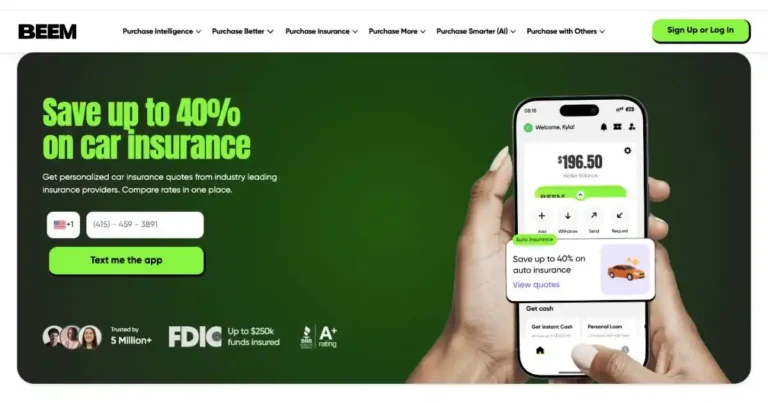

Choosing the best auto insurance can feel confusing, especially when every company promises low prices and great service. There are dozens of insurers, many types of coverage, and premiums that change based on who you are, where you live, and how you drive. What works for one driver may be completely wrong for another.
The best auto insurance is not simply the cheapest policy or the most well known brand. It is the policy that protects you properly, fits your budget, and actually supports you when you file a claim.
Auto insurance is a financial safety net. It protects your car, your savings, and your future if something unexpected happens on the road.
A single accident without enough coverage can result in medical bills, repair costs, and legal expenses that quickly add up. That is why understanding your options before buying a policy is so important.
This guide explains what makes auto insurance truly worth it. You will learn how coverage works, how to compare insurers the right way, what affects pricing, and how to choose a policy that fits your life. By the end, you will be able to make a confident and informed decision.
What Does “Best Auto Insurance” Really Mean
There is no one size fits all answer to which auto insurance is best. The right policy depends on your personal situation and priorities.
Some drivers care most about keeping monthly costs low. Others want higher coverage limits and strong claims support. Many want a balance of both.
The best auto insurance is one that matches your specific needs, including:
- Your age and driving experience
- Your driving record
- The type and value of your vehicle
- Where you live
- How often you drive
- Your financial situation
- Your comfort level with risk
For example, a young driver may benefit from insurers that offer good student discounts or driver education programs. Families may prefer companies that provide multi car discounts and dependable customer service. Drivers who commute long distances may need higher liability limits and optional coverage.
Instead of looking for a universally best company, focus on finding the best policy for you.
Types of Auto Insurance Coverage
Before choosing a company, you need to understand what each type of coverage actually does. Coverage types determine what your insurance pays for after an accident or loss.
Liability Coverage
Liability insurance pays for damage or injuries you cause to others. It is required in almost every state and includes two main parts.
- Bodily injury liability pays for medical expenses, lost wages, and legal costs for people injured in an accident you caused.
- Property damage liability pays for repairs or replacement of another person’s vehicle or property.
State minimum limits are often low and may not fully protect you in serious accidents.
Collision Coverage
Collision insurance covers damage to your own vehicle after an accident, regardless of who was at fault. This includes crashes with other vehicles or objects like poles and guardrails.
Collision coverage is especially important if your car is new, leased, or still being paid off.
Comprehensive Coverage
Comprehensive insurance protects your vehicle from damage not caused by a collision. This includes:
- Theft
- Vandalism
- Fire
- Floods and storms
- Falling objects
- Animal related damage
If your car would be expensive to repair or replace, comprehensive coverage adds valuable protection.
Uninsured and Underinsured Motorist Coverage
This coverage protects you if another driver causes an accident but does not have insurance or does not have enough insurance to cover the damage.
Medical bills and repairs can quickly exceed the other driver’s limits, making this coverage very important.
Personal Injury Protection
Personal injury protection helps cover medical expenses, rehabilitation, and sometimes lost income after an accident, regardless of fault.
Some states require this coverage, while others offer it as an option.
How to Decide the Best Coverage for You
Choosing the right coverage is about balancing protection and cost.
If You Drive an Older Car
If your vehicle has a low market value, carrying collision and comprehensive coverage may not make financial sense. Liability insurance may be enough, especially if repair costs would exceed the car’s worth.
If You Drive a New or Expensive Car
Newer or high value vehicles usually benefit from full coverage. This protects you from repair or replacement costs after accidents, theft, or weather damage.
If You Have Savings to Protect
Higher liability limits can help protect your savings and assets if you are responsible for a serious accident. Low limits may expose you to lawsuits or large out of pocket costs.
Factors That Affect Auto Insurance Rates
Auto insurance premiums are based on risk. Insurance companies use many factors to estimate how likely you are to file a claim.
Driving Record
Drivers with clean records usually pay lower premiums. Accidents, speeding tickets, and violations increase risk and cost.
Age and Experience
Younger and less experienced drivers tend to pay more. Rates often decrease after age 25 with a clean record.
Location
Insurance costs vary by state, city, and even ZIP code. Areas with higher traffic, theft rates, or repair costs usually have higher premiums.
Type of Vehicle
Expensive vehicles, sports cars, and cars with costly repairs are more expensive to insure. Vehicles with strong safety ratings may qualify for lower rates.
Credit Score
In many states, insurers use credit based insurance scores. Better credit is often associated with lower premiums.
How to Compare Auto Insurance Companies
Price alone does not determine the best auto insurance. A low premium is not helpful if the company is difficult to work with.
Customer Service
Strong customer service matters when you have questions or need help. Look for companies with positive customer satisfaction ratings.
Claims Process
The claims experience is one of the most important factors. The best insurers offer easy claims filing, clear communication, and fair payouts.
Coverage Options
Some insurers offer extras like accident forgiveness, roadside assistance, rental reimbursement, or gap coverage.
Discounts
Many drivers qualify for discounts, including:
- Safe driving discounts
- Bundling home and auto insurance
- Good student discounts
- Low mileage discounts
- Vehicle safety feature discounts
Popular Auto Insurance Companies in the U.S.
Several major auto insurance companies dominate the U.S. market, each offering different benefits depending on driver needs, budget, and lifestyle.
Below is a detailed look at the most popular auto insurance providers and what sets them apart.
State Farm
State Farm is the largest auto insurance provider in the United States, serving millions of drivers nationwide. Founded in 1922, the company has built its reputation around reliability, local agent support, and long-term customer relationships.
It is especially popular among families, homeowners, and drivers who value in-person assistance along with digital tools.
Key Features
State Farm offers standard auto insurance coverage including liability, collision, and comprehensive plans. It also provides optional add-ons such as rideshare coverage, emergency roadside assistance, rental car reimbursement, and accident forgiveness.
One of its standout features is the extensive network of local agents, allowing customers to get personalized advice and support. The State Farm mobile app and online portal make it easy to manage policies, file claims, and track repairs.
Benefits
The biggest benefit of State Farm is its balance of personal service and nationwide reliability. Customers often appreciate the strong claims support and consistent service quality across states. Multiple discounts are available for safe drivers, students, bundling auto with home insurance, and vehicle safety features.
While it may not always be the cheapest option, many drivers choose State Farm for peace of mind and long-term stability.
GEICO
GEICO, short for Government Employees Insurance Company, is known for its competitive pricing and digital-first approach. It serves a wide range of drivers across the U.S. and is especially popular with cost-conscious consumers who prefer managing insurance online rather than through agents.
Key Features
GEICO focuses on simplicity and convenience. Customers can get quick quotes, customize coverage, pay bills, and file claims entirely online or through the GEICO mobile app.
The company offers standard coverage types along with mechanical breakdown insurance, emergency roadside assistance, and rental reimbursement. GEICO is also known for its broad discount offerings, including savings for military members, federal employees, good drivers, and multi-vehicle policies.
Benefits
GEICO’s biggest advantage is affordability paired with ease of use. Many drivers find GEICO rates lower than competitors, especially for basic coverage.
The fast quote process and user-friendly tools save time, making it ideal for busy or tech-savvy customers. While it has fewer local agents, its efficient online claims handling and competitive pricing make it a strong choice for budget-focused drivers.
Progressive
Progressive is one of the most innovative auto insurance companies in the U.S. It is widely recognized for flexible pricing and its willingness to insure a broad range of drivers, including high-risk and non-traditional customers.
Key Features
Progressive offers a wide variety of coverage options and pricing tools designed to give drivers more control. Its Name Your Price tool helps customers find coverage that fits their budget. The Snapshot program uses driving data to potentially lower premiums for safe drivers.
Progressive also provides accident forgiveness, gap insurance, rideshare coverage, and custom parts coverage. Most services are accessible online, with optional agent support.
Benefits
Progressive benefits drivers who want customization and flexibility. It is often more forgiving for drivers with past accidents or less-than-perfect credit. The usage-based insurance option can lead to real savings for responsible drivers.
With competitive rates, strong digital tools, and broad acceptance, Progressive appeals to a wide range of driving profiles.
Allstate
Allstate is a well-established auto insurance provider known for comprehensive coverage and strong agent relationships. The company positions itself as a premium insurer, focusing on protection, guidance, and long-term customer value.
Key Features
Allstate offers a broad selection of coverage options beyond standard auto insurance. These include new car replacement, accident forgiveness, sound system insurance, and roadside assistance.
Its Drivewise program tracks driving behavior and rewards safe drivers with discounts. Allstate also provides personalized policy reviews through local agents, along with digital tools for policy management.
Benefits
Allstate’s main benefit is its depth of coverage and customer support. Drivers who want more protection and customization often prefer Allstate, even if premiums are slightly higher.
The combination of agent expertise, loyalty rewards, and safety-focused programs makes it a strong option for drivers who value comprehensive coverage and long-term planning.
USAA
USAA is a member-only financial services organization that serves military members, veterans, and their families. It is consistently ranked among the top auto insurance providers in terms of customer satisfaction and trust.
Key Features
USAA offers standard auto insurance coverage along with features tailored to military life. These include coverage for vehicles stored during deployment, flexible payment options, and accident forgiveness.
The USAA mobile app allows members to manage policies, file claims, and access roadside assistance easily. Rates are often highly competitive for eligible members.
Benefits
The biggest benefit of USAA is exceptional value for those who qualify. Members often receive lower premiums, excellent customer service, and fast claims resolution.
USAA’s understanding of military-specific needs sets it apart from other insurers. While eligibility is limited, it is frequently considered one of the best auto insurance options in the U.S. for military families.
The Importance of Comparing Quotes
Auto insurance prices vary widely between companies. Two insurers may offer very different prices for the same driver and coverage.
Comparing quotes helps you see which companies offer the best value for your specific profile rather than relying on advertised rates.
How Technology Is Changing Auto Insurance
Technology has made auto insurance easier to compare and manage.
Many drivers now use digital tools to:
- Compare multiple quotes quickly
- Manage policies online
- File claims digitally
- Track driving behavior
Usage based insurance programs reward safe driving habits and may lower premiums over time.
Tips for Getting the Best Auto Insurance Rates
Finding affordable auto insurance does not mean settling for bare minimum coverage. With the right approach, you can lower your premium while still protecting yourself financially. The key is understanding which factors insurers reward and knowing when to ask the right questions.
Increase Your Deductible
One of the easiest ways to lower your monthly auto insurance premium is by choosing a higher deductible. The deductible is the amount you pay out of pocket before your insurance coverage kicks in after a claim. When you agree to cover more upfront, insurers often reduce your premium because they take on less risk.
This strategy works best if you have enough savings to comfortably cover the deductible in case of an accident. Before increasing it, consider how much you could realistically afford to pay on short notice. A slightly higher deductible can result in noticeable long-term savings without reducing your overall coverage.
Bundle Policies
Bundling your auto insurance with other policies, such as homeowners, renters, or even life insurance, can lead to meaningful discounts. Insurance companies reward customers who purchase multiple policies because it reduces administrative costs and increases customer retention.
If you already have home or renters insurance with one provider, ask for a bundled quote instead of shopping for auto insurance separately. In many cases, the combined discount is larger than what you would save by buying each policy from a different company.
Maintain a Clean Driving Record
Your driving history plays a major role in how much you pay for auto insurance. Drivers with a clean record are considered lower risk, which translates into lower premiums over time. Avoiding speeding tickets, accidents, and other violations can have a long-lasting impact on your rates.
Even one minor infraction can raise your premium for several years, so practicing defensive driving and following traffic laws consistently pays off financially. Some insurers also offer safe driver programs that track your driving habits and reward responsible behavior with additional discounts.
Ask About Discounts
Many drivers overpay simply because they are unaware of available discounts. Insurance companies offer a wide range of discounts, but not all of them are applied automatically. Common examples include discounts for good students, military service members, low annual mileage, vehicle safety features, paperless billing, or paying your premium in full.
Always ask your insurer to review your account for potential discounts. It takes only a few minutes and can result in immediate savings. Reviewing your policy once a year is also a good habit, especially if your driving habits, vehicle, or lifestyle have changed.
When to Switch Auto Insurance Companies
Review your policy at least once a year. You may benefit from switching if:
- Your premium increases without explanation
- You find better coverage at a lower price
- Your driving habits change
- You move or buy a new vehicle
How to Choose the Best Auto Insurance for Different Drivers
Auto insurance is not one size fits all. The right policy depends on how much you drive, who is on your policy, and where you are in your driving journey. Understanding what matters most for your situation can help you get better coverage without overpaying.
Best for New Drivers
New drivers usually face higher premiums because insurers see them as higher risk. To keep costs manageable, look for insurance companies that specialize in affordable starter policies and flexible coverage options.
Good student discounts can make a noticeable difference for teens and college drivers who maintain strong grades. Many insurers also offer discounts for completing approved driver education or defensive driving courses, which signal safer driving habits. When choosing a policy, focus on insurers that provide clear coverage limits, accident forgiveness options, and easy-to-use mobile apps to help new drivers stay informed and organized.
Best for Families
Families often have multiple vehicles and drivers under one policy, which opens the door to valuable savings opportunities. Multi car discounts are one of the biggest advantages for households with more than one insured vehicle. Bundling auto insurance with homeowners or renters insurance can further reduce overall costs.
Beyond price, families should prioritize insurers with reliable customer service and a strong claims process. Quick claims handling and responsive support matter even more when multiple drivers are involved. It is also smart to look for policies that allow easy updates as teen drivers are added or vehicles are replaced.
Best for High Mileage Drivers
Drivers who spend a lot of time on the road may assume higher mileage always means higher insurance costs, but that is not always the case. Some insurers offer usage based insurance programs that track driving behavior rather than focusing only on how many miles you drive.
These programs can reward safe habits like smooth braking, consistent speeds, and minimal phone use while driving. For commuters, rideshare drivers, or anyone with a long daily drive, choosing an insurer that values safe driving over mileage alone can lead to meaningful savings over time.
Choosing auto insurance based on your driving profile helps you get coverage that fits your needs instead of paying for features you do not use. Reviewing your policy regularly ensures it continues to match your lifestyle as your driving habits change.
Why Comparing Quotes Matters More Than Ever
Auto insurance costs have increased due to rising repair costs, vehicle prices, and accident rates.
Comparing quotes helps you avoid overpaying and find policies that still offer strong protection.
Platforms that show multiple quotes in one place make comparison faster and more efficient.
How Beem Helps You Compare Auto Insurance
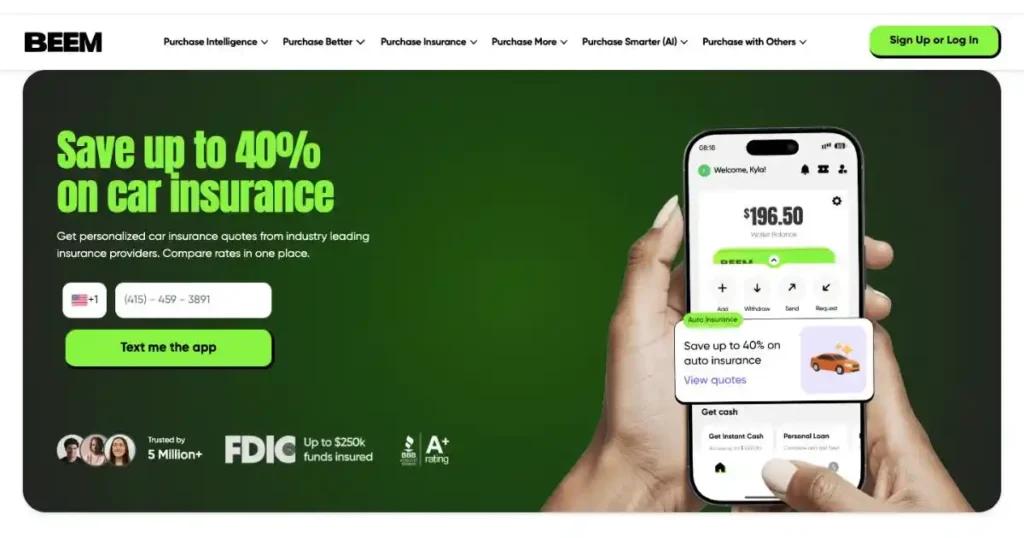
Beem helps users compare personalized car insurance quotes from multiple partner insurers in one place.
Instead of filling out forms on several websites, you enter your details once and receive tailored options.
With Beem, users can:
- Get personalized quotes
- Compare prices and coverage
- Choose the policy that fits their needs
- Complete the purchase with the insurance provider
This streamlined process saves time and helps users make better decisions.
Common Mistakes to Avoid When Choosing Auto Insurance
Auto insurance is meant to protect you financially, but the wrong choices can leave you exposed or paying more than necessary.
Many drivers focus only on the price and overlook important details that matter when it is time to file a claim. Avoiding these common mistakes can help you choose coverage that actually works when you need it.
Choosing Only the Cheapest Option
It is tempting to pick the policy with the lowest monthly premium, especially when comparing quotes side by side. However, the cheapest option often comes with lower coverage limits, higher deductibles, or fewer protections. After an accident, those gaps can result in significant out of pocket expenses.
Instead of focusing only on price, compare what each policy includes. A slightly higher premium may provide better liability coverage, collision protection, or medical benefits that save you money in the long run.
Not Reviewing Coverage Limits
Many drivers accept state minimum coverage limits without understanding what they really mean. While minimum limits may satisfy legal requirements, they often fall short in serious accidents involving injuries, multiple vehicles, or property damage.
Review your liability limits carefully and consider whether they would realistically cover medical bills and repair costs after a major accident. Increasing coverage limits usually adds only a small amount to your premium but provides much stronger financial protection.
Forgetting to Ask About Discounts
Insurance companies offer a wide range of discounts, but many are not applied automatically. Drivers who do not ask may miss out on savings for safe driving, low mileage, vehicle safety features, bundling policies, or even paying premiums in full.
Always request a full discount review when getting a quote or renewing your policy. A quick conversation with your insurer can uncover savings that reduce your premium without changing your coverage.
Ignoring the Claims Process
Most people do not think about filing a claim until an accident happens, but the claims experience is one of the most important parts of auto insurance. Poor claims service can lead to delays, confusion, and added stress during an already difficult situation.
Before choosing an insurer, research how they handle claims. Look for companies known for clear communication, fast claim resolution, and accessible customer support. A smooth claims process can make a major difference when it matters most.
Avoiding these mistakes helps ensure your auto insurance provides real value, not just a low price. Taking time to review coverage details and ask the right questions leads to better protection and fewer surprises down the road.
How Often Should You Review Your Policy
Review your auto insurance at least once a year or after major life changes such as moving, buying a car, or improving your credit score.
Regular reviews help ensure your coverage still matches your needs.
Final Words
The best auto insurance is the policy that fits your life, not just your budget. It should protect your vehicle, your finances, and your peace of mind.
By understanding coverage options, comparing quotes, and reviewing your policy regularly, you can make smarter insurance decisions.
Using tools that let you compare multiple offers in one place can save time and help you find better value. When you take a thoughtful approach, choosing the right auto insurance becomes much easier and far more rewarding.